 March 2025 in “Scientific Reports”
 Menthol-based microemulsions improve skin delivery of finasteride and silodosin.

Technology can improve sexual dysfunction in chronic disease patients but faces challenges like cost and accessibility.
 February 2025 in “Theranostics”
 3D bioprinting with special hydrogels can create artificial skin that heals wounds and regrows hair in mice.
 January 2025 in “Acta Dermato Venereologica”
 Mothers with alopecia areata have a higher risk of adverse birth outcomes.
 January 2025 in “Frontiers in Immunology”
 IVIG therapy significantly improved symptoms in a patient with APS-2 and SPS.

Combining bromelain with finasteride improves hair regrowth and reduces inflammation in alopecia.
 January 2025 in “Bright Sky Publications eBooks”
 Aesthetic medicine is rapidly advancing with new technologies for safer, personalized, and less invasive treatments.
 January 2025 in “Trepo - Institutional Repository of Tampere University”
 Alopecia areata significantly harms women's self-image, causing reduced confidence and social isolation.
 January 2025 in “International Journal of Dermatology Research”
 Higher MPV and CRP levels may indicate more severe alopecia areata.
 January 2025 in “Drug repurposing”
 New drug uses show promise but need more research.
 December 2024 in “International Journal of Health Sciences and Research”
 Vitamin D is crucial for health, and deficiency can cause hair loss and other health issues.
 November 2024 in “Open Repository of the University of Porto (University of Porto)”
 Pharmacists play a crucial role in safe medication use and interdisciplinary collaboration is key to reducing antimicrobial resistance.
 October 2024 in “Reumatizam”
 New treatments and understanding of skin lupus are emerging in 2024.

Correcting EDA fibronectin organization and YAP translocation can improve wound healing in fibrotic conditions.

Certain plasma proteins are linked to prostate cancer risk and could help in early detection and treatment.
 July 2024 in “Dermatology Practical & Conceptual”
 COVID-19-related hair loss may have unique features compared to hair loss from other causes.
 July 2024 in “Egyptian Journal of Medical Human Genetics”
 These gene variations are not linked to alopecia areata in Egyptians.

Stiffness gradients in alginate gels can guide cancer cell invasion and study cellular behaviors.
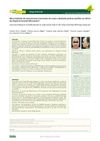 June 2024 in “BioSCIENCE”
 Microinfusion of methotrexate can help treat frontal fibrosing alopecia.
 June 2024 in “International Journal of Advanced Research in Science Communication and Technology”
 Herbal extracts like Ficus religiosa may help with hair growth and skin rejuvenation.
 May 2024 in “Open Repository of the University of Porto (University of Porto)”
 Pharmacists play a crucial role in patient education and personalized care.
 April 2024 in “Frontiers in medicine”
 Alopecia Areata significantly lowers quality of life and current treatments are inadequate, highlighting a need for better therapies and standardized treatment protocols.
 April 2024 in “Frontiers in cellular and infection microbiology”
 Blue light might help treat skin conditions by affecting the skin's bacteria.
 April 2024 in “Nepal journal of dermatology, venereology & leprology”
 Premature graying of hair is common and stressful, but not well understood or treated.
 April 2024 in “Dermatology and therapy”
 There are significant gaps and inconsistencies in diagnosing and treating alopecia areata in Greece and Italy.
 April 2024 in “Dermatology and therapy”
 In Denmark from 1995 to 2016, hospital-treated alopecia areata cases increased, mostly affecting women and those over 50.
 March 2024 in “Dermatology and therapy”
 AA patients with comorbid conditions face more severe hair loss and need specific treatments.
 March 2024 in “GSC Advanced Research and Reviews”
 Different light affects cell functions and can help treat skin conditions.
 February 2024 in “International Journal For Multidisciplinary Research”
 Nanostructured lipid carriers are effective for treating hyperpigmentation in women aged 30-40.
 January 2024 in “American journal of clinical dermatology”
 Ritlecitinib is safe and well-tolerated for treating alopecia areata in patients aged 12 and older.