27 citations
,
June 2011 in “Journal of Advanced Nursing” The penguin cap can help reduce hair loss in chemotherapy patients.
 6 citations
,
December 2011 in “Clinical and Experimental Dermatology”
6 citations
,
December 2011 in “Clinical and Experimental Dermatology” A woman developed rare, unexplained curly hair on her scalp and eyelashes.
November 2021 in “Research Square (Research Square)” 4-aminopyridine speeds up and improves skin wound healing.
 February 2023 in “Scientific Reports”
 Cold Atmospheric Microwave Plasma (CAMP) helps hair cells grow and could potentially treat hair loss.
11 citations
,
November 2021 in “ACS applied nano materials” Keratin-associated protein nanoparticles from human hair may help stop bleeding quickly and safely.
Low IRES/Cap translation is linked to higher stem cell potential.
16 citations
,
January 2018 in “Advances in experimental medicine and biology” Hair and wool have diverse keratins and keratin-associated proteins.
 January 2021 in “Mastology”
 Scalp cooling therapy helped over 80% of women keep at least half their hair during chemotherapy.
 23 citations
,
June 2012 in “PLOS ONE”
23 citations
,
June 2012 in “PLOS ONE” KLF4 is important for maintaining skin stem cells and helps heal wounds.
January 2016 in “Refubium (Universitätsbibliothek der Freien Universität Berlin)” CAP7.1 is generally safe at 200 mg/m²/day, but can cause fatigue, nausea, hair loss, fever, and blood-related issues.
 28 citations
,
July 2007 in “Development”
28 citations
,
July 2007 in “Development” TAF4 is important for skin cell growth and helps prevent skin cancer in mice.
26 citations
,
October 1999 in “Archives of Dermatology” Curly hair in certain scalp areas can be an early sign of hair loss.
January 2026 in “Journal of Cosmetic Dermatology” Topical 4-aminopyridine 5% does not improve hair growth in male pattern baldness.
 February 2024 in “Infection and drug resistance”
 Tinea capitis in a child was caused by a fungus from cats, highlighting the need for accurate diagnosis and treatment.
 4 citations
,
January 2021 in “Journal of Clinical Medical Research”
4 citations
,
January 2021 in “Journal of Clinical Medical Research” c-Kit is important for heart regeneration and cancer development.
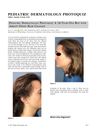 September 2017 in “Pediatric Dermatology”
 A 14-year-old boy was diagnosed with a rare hair condition that may lead to hair thinning and has no known effective treatments.
September 2019 in “The journal of investigative dermatology/Journal of investigative dermatology” New RIPK4 gene mutations were found to cause a type of skin and limb birth defect.
 November 2021 in “bioRxiv (Cold Spring Harbor Laboratory)”
 4-aminopyridine helps skin wounds heal faster and better.
January 2026 in “International Journal of Dermatology” APKH in young males may signal early hair loss and needs early attention.
9 citations
,
November 2024 in “Journal of Wound Management Official journal of the European Wound Management Association” Cold Plasma shows promise for healing wounds by killing bacteria and helping tissue grow.
11 citations
,
January 2021 in “British Journal of Dermatology” Mutations in the AP1B1 gene cause a new syndrome with skin, hearing, and developmental issues.
June 2025 in “Zenodo (CERN European Organization for Nuclear Research)” Combining Procapil with minoxidil improves hair growth in men with hair loss.
June 2025 in “Zenodo (CERN European Organization for Nuclear Research)” Combining Procapil with minoxidil improves hair growth in men with hair loss.
 1 citations
,
February 2025 in “Scientific Reports”
1 citations
,
February 2025 in “Scientific Reports” CD4 is crucial for maintaining skin stem cell balance and aiding wound healing.
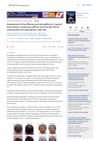 November 2023 in “Journal of Cosmetic Dermatology”
 The topical treatment with caffeine and Procapil 3% improved male pattern hair loss and was well tolerated after 12 weeks.
February 2007 in “Journal of Clinical Dermatology”  November 2022 in “The journal of investigative dermatology/Journal of investigative dermatology”
 The STRIPAK complex is crucial for skin cell organization and creating a functional skin barrier.
22 citations
,
May 2016 in “Breast cancer research and treatment” Some patients using cold caps to prevent hair loss from chemotherapy got mild scalp injuries similar to frostbite.
 April 2026 in “Preprints.org”
 Cold Atmospheric Plasma shows promise in treating aggressive breast cancer by targeting cancer cells while sparing normal tissue.
April 2021 in “The journal of investigative dermatology/Journal of investigative dermatology” CTCF protein is essential for skin and hair follicle development in mice.