
Different androgen concentrations affect wool-related gene expression differently in Hetian and Karakul sheep breeds.
September 2025 in “Animals” The KRTAP22-2 gene in sheep does not significantly affect wool traits.
 April 2023 in “Cancer research”
 KRTAP2-3 could help predict cancer recurrence by identifying specific cancer cells.
April 2010 in “Cancer Research” CDK4 levels affect the number of hair follicle stem cells in mice.
July 2026 in “bioRxiv (Cold Spring Harbor Laboratory)” FAKΔe4 helps cells sense and respond to different stiffness levels in their environment.
 30 citations
,
March 2019 in “Archives animal breeding/Archiv für Tierzucht”
30 citations
,
March 2019 in “Archives animal breeding/Archiv für Tierzucht” The KRTAP15-1 gene affects cashmere fiber thickness in goats.
 20 citations
,
May 2007 in “Asian-Australasian Journal of Animal Sciences”
20 citations
,
May 2007 in “Asian-Australasian Journal of Animal Sciences” KAP8.2 gene variations affect cashmere quality in goats.
46 citations
,
June 2013 in “Journal of structural biology” High glycine–tyrosine keratin-associated proteins help make hair strong and maintain its shape.
 January 1999 in “Journal of the European Academy of Dermatology and Venereology”
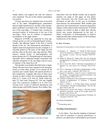
 RAPK is a rare skin disorder with pigmented spots, mainly on hands and feet, starting in youth.
 3 citations
,
August 2022 in “Archives animal breeding/Archiv für Tierzucht”
3 citations
,
August 2022 in “Archives animal breeding/Archiv für Tierzucht” Certain genetic changes in the KAP22-1 gene are linked to better wool quality in Egyptian sheep.
11 citations
,
May 2013 in “Journal of Investigative Dermatology” KRTAP10 proteins help form the hair shaft's tough outer layer by interacting with specific hair keratins.
9 citations
,
June 2014 in “Molecular biology reports” KAP9.2 and Hoxc13 genes are important for cashmere growth and vary in activity during different stages.
5 citations
,
March 2017 in “Gene” CAP1 decreases the expression of a hair-related protein in young Tan sheep's skin.
 April 2026 in “Microorganisms”
 SCFF may help promote hair growth and scalp health.
 January 2019 in “Durham e-Theses (Durham University)”
 Advanced microscopy shows hair damage and keratin proteins' roles, aiding future cosmetic treatments.
107 citations
,
April 2014 in “The Plant cell” The CAP1 gene helps control ammonium levels and is necessary for the proper growth of root hairs in Arabidopsis.
November 2024 in “Journal of Investigative Dermatology” ATP-sensitive potassium channels are important for hair growth.
 1 citations
,
October 2012 in “The Journal of Dermatology”
1 citations
,
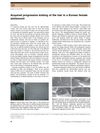
October 2012 in “The Journal of Dermatology” A Korean girl developed kinky hair without known cause or effective treatment.
March 2026 in “World Rabbit Science” DKK4 can be used to improve wool quality in Zhexi Angora rabbits.
38 citations
,
January 2014 in “Journal of Dermatological Science” Krtap11-1 is important for hair strength and structure.
 December 2025 in “npj Breast Cancer”
 Capivasertib improves survival in certain breast cancer cases but requires careful management of side effects.
 April 2019 in “Journal of Medical Science And clinical Research”
 The grey patch variant of tinea capitis is most common, mainly spread through family and animals.
 October 2021 in “Journal of Investigative Dermatology”
 Dkk4 protein is necessary for the proper development and arrangement of hair follicles.
5 citations
,
July 2014 in “Molecular Biology Reports” July 2025 in “International Journal of Molecular Sciences” Four new genes related to sheep wool were discovered, showing genetic diversity.
39 citations
,
November 2005 in “The journal of investigative dermatology/Journal of investigative dermatology” Fatp4 is crucial for healthy skin development and function.
 July 2022 in “Journal of Investigative Dermatology”
 Dkk4 is necessary for the initial development and arrangement of hair follicles.
May 2001 in “Hair transplant forum international” The CapilliCARE® machine shows promise for diagnosing early hair loss.
52 citations
,
April 2012 in “Journal of Investigative Dermatology” KRTAP2 genes are crucial for hair structure and may impact hair disorders and treatments.
 June 2024 in “Journal of Ayub Medical College Abbottabad”
 Combining PRP with Procapil is more effective for hair loss treatment than PRP alone.