17 citations
,
February 2011 in “International Journal of Cosmetic Science” Grey hair is wilder, drier, and less manageable than pigmented hair.
 36 citations
,
October 2014 in “Langmuir”
36 citations
,
October 2014 in “Langmuir” Bleaching hair removes its protective top layer and exposes more hydrophilic groups, changing its chemical surface and affecting how it interacts with products.
 4 citations
,
December 2018 in “Macedonian Journal of Chemistry and Chemical Engineering”
4 citations
,
December 2018 in “Macedonian Journal of Chemistry and Chemical Engineering” A new method accurately measures amino acids in treated hair, showing bleaching reduces amino acids while protein treatments increase them.
 August 2024 in “Journal of the Korean Society of Cosmetology”
 Wild peach leaf extract improves hair strength, thickness, and shine after dyeing.
 July 2026 in “Zenodo (CERN European Organization for Nuclear Research)”
 The herbal hair gel with curry leaf, flaxseed, and Aloe vera is a stable, effective, and eco-friendly alternative to synthetic gels.
18 citations
,
October 2015 in “Journal of the European Academy of Dermatology and Venereology” Topical eflornithine helps maintain hair reduction after IPL therapy in women with facial hirsutism.
23 citations
,
June 2021 in “Lasers in Medical Science” Blue light therapy may help with hair growth, but more research is needed.
 February 2026 in “Journal of the Korean Society of Cosmetology”
 The ampoule significantly improves hair density, thickness, and usability without side effects.
 16 citations
,
November 2009 in “Experimental dermatology”
16 citations
,
November 2009 in “Experimental dermatology” Ionizing radiation damages human hair follicles by stopping cell growth, causing cell death, disrupting color, and increasing stress and damage markers.
August 2013 in “Toxicology letters” 6 citations
,
January 2020 in “Elsevier eBooks” Nanoparticles could make hair dyes safer by reducing harmful effects.
3 citations
,
December 2021 in “Skin research and technology” Higher hair luminosity and shine mean higher perceived transparency.
 October 2023 in “Journal of the American Academy of Dermatology”
 Clascoterone cream could be used for other skin conditions affected by hormones.
1 citations
,
October 2023 in “PloS one” Cosmetic hair treatments can increase hair testosterone levels, while natural hair color does not affect it.
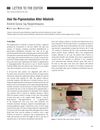 April 2025 in “Turkish Journal of Hematology”
 Nilotinib may cause gray hair to return to its original color.
April 2018 in “Journal of Investigative Dermatology” The supplement improved hair growth, strength, and moisture.
A new treatment using conjugated linoleic acid in nanovesicles can rejuvenate hair follicles and improve hair growth in androgenic alopecia.
 7 citations
,
August 2021 in “Heliyon”
7 citations
,
August 2021 in “Heliyon” Phyllotex™ extract was found to significantly promote hair growth and protect against hair loss.
31 citations
,
October 1992 in “Journal of Clinical Pharmacy and Therapeutics” Some medications can change hair color, especially chloroquine and cancer treatments.
 September 2025 in “Sahel Journal of Life Sciences FUDMA”
 Chemical hair straighteners can severely damage hair and scalp with repeated use.
30 citations
,
September 2018 in “International Journal of Cosmetic Science” Bleaching hair causes severe structural and chemical damage, including protein loss and oxidation.
1 citations
,
June 2025 in “Journal of Cellular and Molecular Medicine” Plant-derived compounds may help reverse grey hair by boosting melanin production.
 December 2025 in “Zenodo (CERN European Organization for Nuclear Research)”
 SwaLife Hair Bloom Onion Oil strengthens and restores hair using onion extract and herbs.
October 2014 in “University of the Arts London Research Online (University of the Arts London)” Protein-derived ingredients can help strengthen bleached hair.
March 1983 in “The Journal of the American Dental Association”  1 citations
,
October 2021 in “Journal of the European Academy of Dermatology and Venereology”
1 citations
,
October 2021 in “Journal of the European Academy of Dermatology and Venereology” The hair lotion reduced hair loss and sped up recovery in women with acute telogen effluvium.
 5 citations
,
January 1990 in “Journal of Society of Cosmetic Chemists of Japan”
5 citations
,
January 1990 in “Journal of Society of Cosmetic Chemists of Japan” Permanent wave lotion can extract proteins from hair, especially when pH is higher, and repeated treatments or bleaching can damage hair.
 January 2000 in “Optics Letters”
 Laser treatment can inhibit hair growth and different hair colors reach different temperatures when lasered.
 6 citations
,
September 2013 in “Advanced materials research”
6 citations
,
September 2013 in “Advanced materials research” Non-ionic silicone emulsion best protects hair color from sunlight.
January 2012 in “Jounal of The Korean Society of cosmetology” Applying conditioner mid-treatment reduces hair damage during perms.