 March 2023 in “Journal of Cosmetic Dermatology”
 A genetic variant linked to hair thinning in Japanese women was found.
 56 citations
,
December 2011 in “The Plant Journal”
56 citations
,
December 2011 in “The Plant Journal” AGD1 is important for root hair development in Arabidopsis, working with phosphoinositide signaling and the actin cytoskeleton.
 1 citations
,
January 2021 in “Journal of biological chemistry/The Journal of biological chemistry”
1 citations
,
January 2021 in “Journal of biological chemistry/The Journal of biological chemistry” FLCN helps control iron levels in cells.
14 citations
,
November 2019 in “Materials” Diamond nanoparticles can penetrate skin and reach hair follicles, useful for imaging applications.
18 citations
,
June 2017 in “Oncotarget” Digoxin is linked to a higher risk of anemia in patients with atrial fibrillation and heart failure.
132 citations
,
September 2021 in “Frontiers in Public Health” COVID-19 affects multiple body systems, not just the lungs.
 38 citations
,
June 2019 in “International Journal of Molecular Sciences”
38 citations
,
June 2019 in “International Journal of Molecular Sciences” Tiny particles called extracellular vesicles could help with skin healing and hair growth, but more research is needed.
27 citations
,
February 2023 in “Oxidative Medicine and Cellular Longevity” Platelets help heal wounds by transferring mitochondria to cells, reducing stress and cell death.
 118 citations
,
August 2010 in “Developmental Cell”
118 citations
,
August 2010 in “Developmental Cell” MIM is crucial for hair follicle formation and regeneration by controlling cilia formation and hedgehog signaling through its interaction with Cortactin and Src.
 9 citations
,
November 2017 in “International Journal of Nanomedicine”
9 citations
,
November 2017 in “International Journal of Nanomedicine” Tiny particles called anionic squarticles can effectively remove a common antidepressant from the body after an overdose.
 8 citations
,
November 2020 in “Frontiers in Cell and Developmental Biology”
8 citations
,
November 2020 in “Frontiers in Cell and Developmental Biology” Certain genes are more active in baby scalp cells and can help grow hair when added to adult mouse skin cells.
 January 2023 in “Acta dermatovenerologica Alpina, Pannonica et Adriatica (Tiskana izd.)”
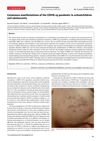
 The article concludes that schoolchildren and adolescents experienced various skin issues during the COVID-19 pandemic, including acne from masks and other skin reactions from the virus and vaccines.
 7 citations
,
December 2020 in “Clinics in Dermatology”
7 citations
,
December 2020 in “Clinics in Dermatology” Some alopecia treatments might help treat COVID-19, but more research is needed.
 1 citations
,
August 2023 in “Biomolecules & therapeutics”
1 citations
,
August 2023 in “Biomolecules & therapeutics” HAPLN1 can promote hair growth and may help treat hair loss.
 July 2021 in “International Journal of Research in Ayurveda and Pharmacy”
 Natural plant compounds may offer safer COVID-19 treatments with fewer side effects.
 June 2020 in “Journal of Dermatological Treatment”
 Use telemedicine and strict hygiene for safe hair and scalp treatments during COVID-19.
 September 2025 in “Experimental & Molecular Medicine”
 Small molecules KY19382 and KY19334 may help treat skin cancer by reducing CDK1 levels and blocking harmful cell signals.
 113 citations
,
July 2020 in “Communications biology”
113 citations
,
July 2020 in “Communications biology” Men, especially older ones with health issues like prostate cancer, may have worse COVID-19 outcomes and could benefit from therapies targeting male hormones.
 138 citations
,
July 2015 in “Clinical, Cosmetic and Investigational Dermatology”
138 citations
,
July 2015 in “Clinical, Cosmetic and Investigational Dermatology” Eating less sugar, milk, and saturated fats and more vegetables and fish may help treat and prevent acne.

Integrin alphavbeta6 is important for wound healing and hair growth, and blocking it may improve these processes.
10 citations
,
March 2024 in “Endocrine Reviews” Significant progress was made in understanding androgen excess disorders, but much is still unknown.
1 citations
,
May 2022 in “IntechOpen eBooks” Natural products might help treat COVID-19, but current drugs like hydroxychloroquine haven't worked.
 November 2023 in “Klìtinna ta organna transplantologìâ”
 MSC-derived exosomes can help treat COVID-19, hair loss, skin aging, and arthritis.
170 citations
,
September 2020 in “Viruses” Drug repositioning offers a cost-effective, lower-risk way to treat diseases and pandemics like COVID-19.
88 citations
,
August 2014 in “PLOS genetics” Syndecan-1 is essential for maintaining skin fat and preventing cold stress.
52 citations
,
August 2021 in “Microorganisms” Higher ACE2 levels in certain tissues may worsen COVID-19 in people with other health issues, especially older adults.
 36 citations
,
August 2021 in “Nature Cell Biology”
36 citations
,
August 2021 in “Nature Cell Biology” Organoids can help study COVID-19 and develop treatments, but face challenges like instability and limited renewal.
 11 citations
,
March 2019 in “Journal of Medicinal Chemistry”
11 citations
,
March 2019 in “Journal of Medicinal Chemistry” Some synthetic carbohydrate receptors, especially compounds 3 and 15, show strong potential for treating Zika virus.
5 citations
,
December 2022 in “Viruses” Antiandrogens may help prevent or treat COVID-19 by blocking virus entry into cells.
 95 citations
,
July 2010 in “Genes & development”
95 citations
,
July 2010 in “Genes & development” Notch/CSL signaling controls hair follicle differentiation through Wnt5a and FoxN1.