12 citations
,
April 2004 in “PubMed” A rare skin condition in a baby showed unusual fat and hair follicle changes.
 April 2017 in “Journal of Investigative Dermatology”
 Certain mutations in the KLHL24 gene cause a skin disorder by breaking down an important skin protein.
August 2025 in “BMC Pharmacology and Toxicology” The LTF gene may help predict and manage nonspecific orbital inflammation.
 11 citations
,
January 2017 in “Biochemical and biophysical research communications”
11 citations
,
January 2017 in “Biochemical and biophysical research communications” 1α,25-dihydroxyvitamin D3 directly affects cartilage growth and development.
 4 citations
,
January 2018 in “International Journal of Trichology”
4 citations
,
January 2018 in “International Journal of Trichology” A rare genetic disease causes sparse hair and early blindness due to a gene mutation.
 62 citations
,
March 2011 in “European journal of endocrinology”
62 citations
,
March 2011 in “European journal of endocrinology” Some parents have a mild form of congenital adrenal hyperplasia without symptoms, and they usually don't need treatment.
5 citations
,
March 2012 in “Journal of Investigative Dermatology” Vitamin D receptor and mediator 1 are crucial for healthy skin and hair growth.

Newly designed proteins can effectively degrade specific proteins in cells, offering a promising alternative for targeted protein degradation.
May 2023 in “Pharmaceuticals” Three specific mutations in the LIPH gene can cause hair loss by damaging the protein's structure and function.
 July 2026 in “International Journal of Drug Delivery Technology”
 SCLL improves finasteride delivery for better hair growth in treating hair loss.
 16 citations
,
September 2008 in “Dermatologic Therapy”
16 citations
,
September 2008 in “Dermatologic Therapy” CAH is a genetic disorder affecting cortisol production and causing hormonal imbalances, with treatment and diagnosis varying by form and symptoms.
2 citations
,
February 2022 in “bioRxiv (Cold Spring Harbor Laboratory)” Impaired LEF1 activation speeds up skin cell development in Hutchinson-Gilford Progeria Syndrome.
 April 2017 in “The journal of investigative dermatology/Journal of investigative dermatology”
 Astrotactin2 affects hair follicle orientation and skin cell polarity.
 10 citations
,
September 2015 in “PLoS ONE”
10 citations
,
September 2015 in “PLoS ONE” New mutations in the VDR gene cause vitamin D-resistant rickets without hair loss.
 December 2024 in “Journal of Clinical Research in Pediatric Endocrinology”
 21-hydroxylase deficiency causes hormone imbalances leading to various symptoms, and diagnosis involves clinical and genetic tests.
 March 2026 in “SKIN The Journal of Cutaneous Medicine”
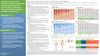
 All parts of the CLASI-A score are important for assessing skin activity in cutaneous lupus erythematosus.
 7 citations
,
January 2019 in “Australasian Journal of Dermatology”
7 citations
,
January 2019 in “Australasian Journal of Dermatology” A genetic marker linked to a type of hair loss was found in most patients studied.
 January 2020 in “bioRxiv (Cold Spring Harbor Laboratory)”
 Certain genetic variants in ERN1, TACR3, and SPPL2C are linked to when Alzheimer's disease starts.
 April 2018 in “Journal of Investigative Dermatology”
 Dsg1 is essential for maintaining a healthy skin barrier in mice.
16 citations
,
November 2005 in “Journal of Clinical Pathology” CD1d expression in scalp skin and hair follicles changes with the hair cycle and may help protect against microbes.
8 citations
,
April 2017 in “American Journal of Dermatopathology” Inflammation may cause nail issues in Cronkhite–Canada Syndrome.
 4 citations
,
January 2021 in “Journal of Clinical Medical Research”
4 citations
,
January 2021 in “Journal of Clinical Medical Research” c-Kit is important for heart regeneration and cancer development.

TLR3 signaling enhances the immunosuppressive properties of human periodontal ligament stem cells.
May 2022 in “The FASEB Journal” Finasteride may help treat Neutrophil Actin Dysfunction by reducing LSP1 gene activity.
17 citations
,
January 2015 in “JOURNAL OF CLINICAL AND DIAGNOSTIC RESEARCH” Cronkhite-Canada syndrome is a rare, non-inherited condition causing various symptoms like polyps, hair loss, and weight loss.
 108 citations
,
December 2003 in “Clinical breast cancer”
108 citations
,
December 2003 in “Clinical breast cancer” PLD is an effective and safer alternative for treating breast cancer.
 27 citations
,
June 2013 in “Genes & development”
27 citations
,
June 2013 in “Genes & development” Cav1.2 affects hair growth and could be a target for hair loss treatments.
 November 2023 in “Scientific reports”
 The research identified and described a gene important for hormone conversion in endangered catfish, which varies in activity during different reproductive stages and after hormone treatment.
 1 citations
,
September 2020 in “Journal of Dermatological Science”
1 citations
,
September 2020 in “Journal of Dermatological Science” The gene LRRC15 is more active in balding areas of the scalp compared to non-balding areas.
 1 citations
,
January 2015 in “Case reports in endocrinology”
1 citations
,
January 2015 in “Case reports in endocrinology” Women with nonclassical congenital adrenal hyperplasia may have a higher risk of fertility issues and miscarriages, and should get genetic counseling.