 August 2021 in “Annals of Agricultural and Environmental Medicine”
 The article concludes that understanding Frontal Fibrosing Alopecia (FFA) is crucial for effective treatment, which includes medication like 5α-reductase inhibitors and hydroxychloroquine.
 20 citations
,
January 2016 in “Intractable & Rare Diseases Research”
20 citations
,
January 2016 in “Intractable & Rare Diseases Research” Combination therapy, especially with finasteride, is effective for treating frontal fibrosing alopecia.
 10 citations
,
March 2016 in “Journal of The American Academy of Dermatology”
10 citations
,
March 2016 in “Journal of The American Academy of Dermatology” Finasteride's effectiveness for frontal fibrosing alopecia is uncertain.
 5 citations
,
March 2014 in “Journal of The American Academy of Dermatology”
5 citations
,
March 2014 in “Journal of The American Academy of Dermatology” The study suggests hormonal factors may play a role in Frontal Fibrosing Alopecia and that treatments like oral antiandrogens and steroids could be beneficial.
 2 citations
,
April 2018 in “Journal of Investigative Dermatology”
2 citations
,
April 2018 in “Journal of Investigative Dermatology” Frontal fibrosing alopecia shows increased inflammation and JAK-STAT pathway activity without reduced hair proteins.
 1 citations
,
November 2020 in “Journal of The American Academy of Dermatology”
1 citations
,
November 2020 in “Journal of The American Academy of Dermatology” The commentary suggests that certain hair and skin care products may be linked to frontal fibrosing alopecia, but not sunscreens, and calls for more thorough research on the causes.
 November 2025 in “SKIN The Journal of Cutaneous Medicine”
 Baricitinib shows promise in improving frontal fibrosing alopecia symptoms.

Frontal fibrosing alopecia in men is often misdiagnosed and needs better diagnostic criteria and treatments.
August 2019 in “Journal of the American Academy of Dermatology” Frontal fibrosing alopecia may be caused by an autoimmune reaction and hormonal imbalance.
 December 2015 in “Actas Dermo-Sifiliográficas”
 Hair transplantation for Frontal Fibrosing Alopecia may work if the disease is inactive for 2 years and with ongoing treatment to maintain results.
177 citations
,
March 2018 in “International Journal of Molecular Sciences” mTOR inhibitors may help treat lung fibrosis.
 May 2024 in “International Seven Journal of Multidisciplinary”
 More research is needed to better understand and treat Fibrosing Frontal Alopecia.
 March 2023 in “Journal of Cosmetic Dermatology”
 A woman's progressive hair loss was correctly diagnosed as a rare condition called fibrosing alopecia in a pattern distribution after initially being mistaken for a more common type.
 7 citations
,
October 2015 in “Actas Dermo-Sifiliográficas”
7 citations
,
October 2015 in “Actas Dermo-Sifiliográficas” New treatments for Frontal Fibrosing Alopecia show promise, especially finasteride and dutasteride, with most patients seeing improvement or stabilization.
 1 citations
,
September 2021 in “The Journal of Dermatology”
1 citations
,
September 2021 in “The Journal of Dermatology” Japanese cases of fibrosing alopecia show a unique age and hair loss pattern, possibly due to racial differences.
 November 2021 in “CRC Press eBooks”
 Fibrosing alopecia in a pattern distribution is a new type of scarring hair loss that resembles common baldness and an autoimmune skin disease.
Obstructive Sleep Apnea does not significantly impact outcomes in non-cystic fibrosis bronchiectasis hospital stays.
October 2025 in “Cell Proliferation” IL10_ApoEVs improve skin healing and reduce scarring.
 March 2025 in “International Journal of Trichology”
 Injecting stem cells from a patient's own fat can improve hair growth in women with hair loss.
March 2026 in “Folia Histochemica et Cytobiologica” LTBP1 is a key regulator in diseases and a potential target for new treatments.
 April 2023 in “Egyptian journal of Immunology”
 10% hPL is best for growing mesenchymal stem cells, while 10% FBS is best for hepatocytes.
December 2025 in “International Journal of Dermatology” Björnstad syndrome can cause hair loss similar to androgenetic alopecia, and treatment with baricitinib and minoxidil may help.
February 2026 in “JEADV Clinical Practice” Lichen planopilaris can cause hair loss on limbs, not just the scalp.
 1 citations
,
July 2019 in “British Journal of Dermatology”
1 citations
,
July 2019 in “British Journal of Dermatology” Minoxidil was more effective than laser therapy for hair loss, and the report also highlighted the need for more research on PRP for a different hair loss condition, the impact of social media on alopecia views, and a warning on turmeric causing nail discoloration.
19 citations
,
January 2015 in “Skin appendage disorders” The report found a new type of hair loss in African-American women that affects more areas of the scalp than previously thought.
3 citations
,
December 2024 in “Pediatric Dermatology” Lichen planopilaris can cause patchy hair loss in children and may respond to certain treatments.
December 2025 in “Medicine - Programa de Formación Médica Continuada Acreditado” Recent advancements in hair loss treatments include new therapies and insights for different types of alopecia.
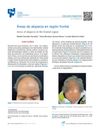 January 2025 in “Revista del Centro Dermatológico Pascua”
 Early diagnosis and treatment can help manage fibrosing alopecia in older women.
September 2025 in “Brazilian Journal of Health Review” Early diagnosis and less aggressive hair care improve outcomes for Black women with frontal fibrosing alopecia.
Pseudopelade is likely an independent disease due to its distinct features.