 1 citations
,
August 2018 in “bioRxiv (Cold Spring Harbor Laboratory)”
1 citations
,
August 2018 in “bioRxiv (Cold Spring Harbor Laboratory)” A new mutation in the TMEM173 gene and a risk allele in IFIH1 cause a unique set of immune-related symptoms.
 3 citations
,
January 2023 in “Physiological Research”
3 citations
,
January 2023 in “Physiological Research” Conditioned media from mesenchymal stem cells show promise for tissue repair and disease treatment, but more research is needed on their safety and effectiveness.
 January 2024 in “Archives of Endocrinology and Metabolism”
 A new gene mutation causes insulin resistance in a girl and her mother.
 2 citations
,
April 2022 in “Revista Eletrônica Acervo Médico”
2 citations
,
April 2022 in “Revista Eletrônica Acervo Médico” Individualized treatment is crucial for managing hair loss and its effects.
 October 2025 in “Editora Pasteur eBooks”
 Peptides improve skin health and treatments for hair loss and pregnancy-related skin issues are evolving.
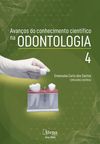
Dental procedures and treatments show promise but need more research for conclusive results.
 January 2023 in “Brazilian Journals Editora eBooks”
 Girls with Autism Spectrum Disorder may show different symptoms than boys, leading to missed or delayed diagnoses.
 January 2023 in “Brazilian Journals Editora eBooks”
 People with cleft lip and palate often have respiratory problems.
 January 2023 in “Brazilian Journals Editora eBooks”
 The document concludes that Passiflora incarnata may help with anxiety, healthcare workers need mental support, common bacteria cause hospital UTIs, telehealth for heart failure needs research, kids' screen time has increased, pregnant teens are mostly okay with their body image, diagnosing post-surgery tuberculosis is hard, older and severely ill people are more likely to have long COVID symptoms, and psychiatrists should be part of pain management teams.
 January 2023 in “Brazilian Journals Editora eBooks”
 Surgery to fix a broken upper arm bone can sometimes lead to nerve damage.
 January 2023 in “Brazilian Journals Editora eBooks”
 Passiflora incarnata may help with anxiety but has risks and drug interactions.
There's a genetic link between Fragile X Syndrome and Autism Spectrum Disorder.
6.7% of urine cultures showed hospital-acquired urinary tract infections.
Children used screens more during COVID-19, causing various health complaints.
Autism Spectrum Disorder is often underdiagnosed in females.
Dissociative disorders in childhood sexual abuse victims are more common in males.
Most pregnant teenagers are not dissatisfied with their body image but worry about weight.
Diagnosing tuberculosis after knee surgery is challenging due to non-specific symptoms.
Post-COVID-19 syndrome is more common in older, severely affected patients.
Psychiatrists should be part of pain management teams due to the psychological aspects of pain.
 30 citations
,
June 2014 in “Seminars in Immunology”
30 citations
,
June 2014 in “Seminars in Immunology” Future research on ectodysplasin should explore its role in diseases, stem cells, and evolution, and continue developing treatments for genetic disorders like hypohidrotic ectodermal dysplasia.
 25 citations
,
March 2012 in “Journal of Dermatological Science”
25 citations
,
March 2012 in “Journal of Dermatological Science” Genetic variants linked to ten skin diseases were found, showing both immune and non-immune factors play a role.
 January 2023 in “Brazilian Journals Editora eBooks”
 Pharmacists play a key role in managing the use of anxiety medications and ensuring patients use them correctly.
7 citations
,
January 2025 in “Journal of Experimental & Clinical Cancer Research” PRMT5 inhibitors effectively fight adenoid cystic carcinoma in salivary glands.
November 2025 in “Journal of Investigative Dermatology” Genetic variants in specific genes cause central centrifugal cicatricial alopecia.
7 citations
,
May 2021 in “EBioMedicine” Increased methylation of the Filip1l gene may contribute to aggressive skin cancer.
2 citations
,
May 2020 in “The journal of investigative dermatology/Journal of investigative dermatology” A TP63 gene mutation causes significant hair loss and mild skin, nail, and tooth abnormalities.
1 citations
,
February 2025 in “Medicina” No significant genetic link to alopecia areata was found in the Jordanian group.
34 citations
,
July 2020 in “American journal of human genetics” Changes in the SREBF1 gene cause a rare genetic skin and hair disorder.
24 citations
,
July 2014 in “Journal of Investigative Dermatology” Nagashima-type palmoplantar keratosis in Asians is caused by a SERPINB7 gene mutation.
 15 citations
,
April 2017 in “Hormones”
15 citations
,
April 2017 in “Hormones” Genetic defects in the glucocorticoid receptor gene can cause conditions with abnormal sensitivity to stress hormones, and other factors may also affect this sensitivity.
 15 citations
,
April 2016 in “Hormones”
15 citations
,
April 2016 in “Hormones” Mutations in the NR3C1 gene cause a rare condition that affects hormone signaling and can lead to various symptoms, with dexamethasone as a treatment option.
8 citations
,
June 2016 in “Journal of Investigative Dermatology” A rare genetic deletion in the KRT1 gene causes unique skin symptoms in a family.
3 citations
,
January 2021 in “FEBS open bio” Camellia japonica extract may improve scalp health and promote hair growth.
2 citations
,
July 2025 in “RMD Open” IL-1 blockade is effective for treating SURF, and personalized treatment is needed.
 October 2023 in “Psychiatry research. Case reports”
 A new HRAS gene variant may cause a range of symptoms including intellectual disability and psychiatric issues.
 July 2023 in “Developmental medicine and child neurology/Developmental medicine & child neurology”
 DFMO treatment improves hair growth, muscle tone, and development in Bachmann-Bupp syndrome patients.
 November 2022 in “Journal of the Endocrine Society”
 A 21-year-old male with a rare genetic disorder experienced sudden hair loss and high DHEAS levels, likely due to a condition similar to PCOS, usually seen in women.
21 citations
,
May 2024 in “American Journal of Medical Genetics Part A” Myhre syndrome symptoms worsen over time, with specific genetic variants affecting severity.