60 citations
,
December 2020 in “Stem Cell Research & Therapy” ASC-CM is more effective than EV for treating osteoarthritis.
July 2025 in “Journal of Investigative Dermatology” Scarring alopecia involves increased immune cells and specific gene changes near damaged hair follicles.
 3 citations
,
May 1999 in “Dermatologic Surgery”
3 citations
,
May 1999 in “Dermatologic Surgery” Dr. Connelly agrees that linear basal cell carcinomas might be more aggressive but highlights the study's lack of clear criteria to identify them.
10 citations
,
November 2019 in “Journal of the European Academy of Dermatology and Venereology” The RAS pathway affects hair growth differently in CFCS and CS.
September 2017 in “The journal of investigative dermatology. Symposium proceedings/The Journal of investigative dermatology symposium proceedings” CCCA can affect both genders and all ages, and it has a genetic component.
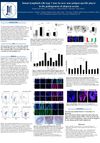
Innate lymphoid cells type 1 may contribute to alopecia areata by damaging hair follicles.
September 2025 in “Figshare” Alopecia areata involves complex immune responses, suggesting broader treatments could help.
 52 citations
,
March 2007 in “Dermatologic Therapy”
52 citations
,
March 2007 in “Dermatologic Therapy” The CLASI is a reliable tool for measuring the severity of cutaneous lupus erythematosus.
 25 citations
,
May 2020 in “Stem Cells Translational Medicine”
25 citations
,
May 2020 in “Stem Cells Translational Medicine” ADSC-CE treatment safely increases hair density and thickness in androgenetic alopecia patients.
 1 citations
,
February 2015 in “Clinical and Experimental Dermatology”
1 citations
,
February 2015 in “Clinical and Experimental Dermatology” A man got six skin cancers within a year after a cell transplant for leukemia but was cancer-free 32 months later; skin checks are important post-transplant.
178 citations
,
April 2011 in “Journal of Clinical Investigation” Basal cell carcinomas in mice can start from hair follicle stem cells and other skin cell types, depending on signaling levels.
Amotosalen-treated donor T-cells can prevent late CMV infection after bone marrow transplants.
 4 citations
,
November 2016 in “Journal of Cutaneous Pathology”
4 citations
,
November 2016 in “Journal of Cutaneous Pathology” Three characteristics of plasmacytoid dendritic cells help tell apart lupus-related hair loss from LPP.
 2 citations
,
August 2017 in “British Journal of Dermatology”
2 citations
,
August 2017 in “British Journal of Dermatology” Hair loss in Cronkhite-Canada syndrome may be due to an autoimmune response.
 September 2021 in “CRC Press eBooks”
 CCCA is a common hair loss condition in African American women, often inherited and influenced by hairstyling, with unique scalp features detectable by special tools.
 25 citations
,
May 1994 in “Journal of Investigative Dermatology”
25 citations
,
May 1994 in “Journal of Investigative Dermatology” Researchers found a new gene, hacl-1, that is active in mouse hair follicles during hair growth and may be important for hair biology.
July 2026 in “Expert Review of Clinical Immunology” Targeting specific immune cells may improve treatment for alopecia areata.
RCS-01 cell therapy is safe and improves skin gene expression.
77 citations
,
June 2002 in “Journal of Investigative Dermatology” CD44 variant changes start alopecia areata, but don't maintain it.
1 citations
,
September 2025 in “Frontiers in Immunology” Alopecia areata involves complex immune dysregulation, mainly driven by Th1 activity, suggesting broader treatment strategies.
February 2017 in “Developmental Cell” Mammary stem cells drive mammary gland growth by branching and cell mixing.
9 citations
,
October 2020 in “Journal of the American Academy of Dermatology” Patients with central centrifugal cicatricial alopecia may have a higher risk of breast and colorectal cancer.
13 citations
,
June 2012 in “European journal of medical genetics” Identical twins had different symptoms because one had more cells with an extra chromosome fragment in different tissues.
23 citations
,
July 2015 in “PubMed” PDGF and its receptors are crucial for stem cell growth and function.
5 citations
,
April 2023 in “Life” CCCA affects adolescents too, with genetic and environmental links, requiring careful diagnosis.
November 2025 in “The Journal of Immunology” BST2 is highly expressed in certain immune cells in alopecia areata, suggesting a role in the disease.
 91 citations
,
March 2011 in “Stem Cell Reviews and Reports”
91 citations
,
March 2011 in “Stem Cell Reviews and Reports” Human epidermal neural crest stem cells can become bone and skin pigment cells, making them useful for therapies.
 July 2025 in “International Journal of Molecular Sciences”
 Blocking CXCL12 can reverse hair loss and fibrosis in androgenetic alopecia.
 27 citations
,
September 1992 in “The Lancet”
27 citations
,
September 1992 in “The Lancet” ICL is a condition with low CD4+ T cells like AIDS but not caused by HIV, and normal CD4+ T cell counts may vary between men and women.
April 2023 in “Journal of Investigative Dermatology” cp-asiAR may effectively treat hair loss by targeting androgen receptors.