 8 citations
,
January 2016 in “Journal of fiber science and technology”
8 citations
,
January 2016 in “Journal of fiber science and technology” Bleaching hair increases cysteic acid levels in a predictable way.
 4 citations
,
August 2014 in “Journal of molecular structure”
4 citations
,
August 2014 in “Journal of molecular structure” Chemical treatments on bleached black hair change its internal structure by breaking and reforming bonds, and treatments with hydrolyzed eggwhite protein help repair it.
6 citations
,
January 1988 in “PubMed” Swimming in pools with high copper can turn hair green, especially if hair is damaged.
 3 citations
,
January 2019 in “Skin research and technology”
3 citations
,
January 2019 in “Skin research and technology” All wiping methods are as effective as washing for removing cleaning agent from hair.
 January 2025 in “International Journal of Cosmetic Science”
 Citric acid strengthens and improves damaged hair.
 35 citations
,
February 2006 in “Textile Research Journal”
35 citations
,
February 2006 in “Textile Research Journal” Enzymes xylanase and pectinase clean wool and specialty hair fibers effectively without damage, offering an eco-friendly alternative to soap and hot water.
 3 citations
,
August 2019 in “Journal of The American Academy of Dermatology”
3 citations
,
August 2019 in “Journal of The American Academy of Dermatology” Clascoterone safely promotes hair growth similar to minoxidil.
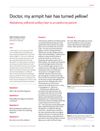
A 15-year-old boy's smelly, yellow armpit hair improved with clindamycin treatment.
 January 2016 in “International journal of advanced research in chemical sciences”
 A new method using NBD-CL can accurately and precisely measure finasteride in medicine, and could be used regularly for quality control in the industry.
December 2018 in “Dermatologic Surgery” Using a 25% trichloroacetic acid peel improves dermabrasion results in vitiligo surgery.
2 citations
,
May 1985 in “Environmental Health Perspectives” Chlorinated compounds like TCDD can cause skin issues and chloracne by affecting cell behavior.
 3 citations
,
March 2019 in “Journal of Pigmentary Disorders”
3 citations
,
March 2019 in “Journal of Pigmentary Disorders” Clascoterone and minocycline are effective acne treatments with quick results and fewer side effects.
 15 citations
,
March 2015 in “Experimental Dermatology”
15 citations
,
March 2015 in “Experimental Dermatology” Clotrimazole, an antifungal cream, may safely reduce skin pigmentation by breaking down the enzyme needed for making melanin.
March 2024 in “Journal of functional biomaterials” A kimchi-derived bacterium could help whiten teeth and prevent bad breath.
March 2019 in “Reactions Weekly” July 2023 in “Nature Reviews Chemistry” A new method strengthens hair without using harmful chemicals.
March 2023 in “Reactions Weekly”  January 2013 in “Transactions of the Materials Research Society of Japan”
 CMADK reduces hair damage from bleaching and permanent waving.
 April 2017 in “Journal of Investigative Dermatology”
 10% carbamide peroxide is safe and effectively reduces mild to moderate acne.
 February 2025 in “Prospects in Pharmaceutical Sciences”
 Clascoterone is a promising topical treatment for hair loss and acne with fewer side effects.
18 citations
,
July 2015 in “Journal of cosmetic dermatology” Straightening and coloring hair, especially with sodium hydroxide, greatly increases protein loss.
 3 citations
,
June 2023 in “ACS sustainable chemistry & engineering”
3 citations
,
June 2023 in “ACS sustainable chemistry & engineering” The study found a green method for strengthening hair works on all hair colors and is eco-friendly.
 October 2022 in “Journal of the American Academy of Dermatology”
 "Clean" shampoos use fewer allergenic preservatives than traditional ones but still contain fragrances, and their actual risk of causing skin reactions is unclear.
1 citations
,
November 2020 in “UMM Institutional Repository (University of Maine at Machias)” White jasmine leaf extract can inhibit acne bacteria but is less effective than clindamycin.
 63 citations
,
December 2002 in “Archives of Dermatology”
63 citations
,
December 2002 in “Archives of Dermatology” The 308-nm excimer laser is a promising treatment for vitiligo with varying success and mild side effects.
 February 2024 in “Jurnal Kesehatan Yamasi Makassar”
 Pondoh salak fruit peel extract is effective in shampoo and has strong antimicrobial properties.
27 citations
,
January 2017 in “Journal of clinical and diagnostic research” A woman poisoned with thallium was successfully treated with activated charcoal and Prussian blue.
 April 2026 in “Cosmetics”
 The shampoo effectively covers gray hair gradually and maintains color after multiple washes.
June 1958 in “Mycopathologia” Selective chemical epilation effectively treats tinea capitis without harmful side effects.
 December 2025 in “Cosmetics”
 The bio-based complex effectively repairs and protects chemically damaged hair.