29 citations
,
October 2020 in “Environmental health perspectives” Five preservatives may disrupt hormone function and need more health and environmental risk assessment.
 March 2025 in “Canadian dermatology today.”
 Clascoterone cream 1% is effective and well-tolerated for treating acne and other related conditions.
2 citations
,
June 2018 in “Cosmetics” AMPD is a better and less damaging alternative to ammonium hydroxide for hair bleaching.
4 citations
,
April 2022 in “Microorganisms” Povidone iodine reduced skin bacteria more than chlorhexidine gluconate, but neither met FDA reduction standards.
 2 citations
,
May 2021 in “Clinical Pharmacology in Drug Development”
2 citations
,
May 2021 in “Clinical Pharmacology in Drug Development” Clascoterone is safe for the heart, even at high doses.
June 2025 in “Healthy-Mu Journal” The optimized Cinchonine gel effectively fights acne bacteria and is safe for twice-daily use.
30 citations
,
September 2018 in “International Journal of Cosmetic Science” Bleaching hair causes severe structural and chemical damage, including protein loss and oxidation.
 36 citations
,
October 2014 in “Langmuir”
36 citations
,
October 2014 in “Langmuir” Bleaching hair removes its protective top layer and exposes more hydrophilic groups, changing its chemical surface and affecting how it interacts with products.
27 citations
,
October 2020 in “Drugs” Clascoterone cream was approved in the USA for treating acne in people aged 12 and older.
 12 citations
,
January 2020 in “Analyst”
12 citations
,
January 2020 in “Analyst” Researchers found markers that can tell if hair has been bleached, which could improve hair test accuracy.
 September 2018 in “University of the Arts London Research Online (University of the Arts London)”
 L-arginine, hydrolysed keratin, and cystine-silanol copolymer can help protect hair from damage during and after bleaching.
October 2025 in “Coloration Technology” Delipidised wool is brighter, dyes better, and is more eco-friendly.
 10 citations
,
January 2009 in “Scientific Electronic Library Online (São Paulo Research Foundation, Latin American and Caribbean Center on Health Sciences Information, Conselho Nacional de Desenvolvimento Científico e Tecnológico)”
10 citations
,
January 2009 in “Scientific Electronic Library Online (São Paulo Research Foundation, Latin American and Caribbean Center on Health Sciences Information, Conselho Nacional de Desenvolvimento Científico e Tecnológico)” Eclipta alba extract effectively kills various harmful bacteria and fungi, including drug-resistant ones.
 June 2017 in “University of the Arts London Research Online (University of the Arts London)”
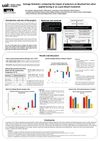
 Polymers help reduce damage and improve bleached hair when used during or after bleaching.
60 citations
,
August 1969 in “British Journal of Dermatology” Germicides mostly stay on the skin's surface, but some penetrate deeper depending on the product used.
2 citations
,
January 2017 in “Journal of veterinary emergency and critical care” A dog's facial chemical burn healed in 84 days with conservative treatment.
31 citations
,
June 2010 in “Journal of dermatology” Hair bleaching causes significant damage to hair and skin.
3 citations
,
September 2021 in “Data in brief” Bleaching hair changes its structure and weakens it, which is important for understanding hair damage and creating treatments.
September 2023 in “Journal of the American Academy of Dermatology” 7 citations
,
October 2024 in “Pharmaceutics” Clindamycin-loaded nanoparticles effectively treat MRSA-infected wounds and promote healing.
October 2024 in “Iraqi postgraduate medical journal” July 2023 in “European Journal of Medical and Health Research” Using bond-protecting additives with low-volume oxidants can safely lighten fine hair with less damage.
20 citations
,
December 2006 in “Archives of dermatology” 15 citations
,
March 2019 in “Veterinary Dermatology” Three mousse products effectively reduced bacteria on dog hair for at least 10 days.
 May 2026 in “Brazilian Journal of Hair Health”
 Bleaching damages hair the most, while dyes improve combability but still cause protein loss.
34 citations
,
June 2005 in “Journal of cosmetic dermatology” Medium-depth peels are safer and effective for improving skin appearance compared to deep peels.

Hair coloring and bleaching can permanently break down hair protein and temporarily change its properties.
4 citations
,
July 2022 in “Clinical Cosmetic and Investigational Dermatology” Clascoterone 1% cream is a promising new treatment for acne.
Haircare products may expose users to harmful chemicals despite regulations.
 February 2021 in “Journal of the Korean Society of Cosmetology”
 Castor oil improves the texture of bleached hair by increasing its strength.