19 citations
,
January 2012 in “Frontiers in Neural Circuits” Neurosteroids and benzodiazepines reduce neuron excitability, with lasting effects on inhibitory neurons.
 September 2018 in “Epsilon Archive for Student Projects (University of Southampton)”
 Bacillus amyloliquefaciens can boost root hair growth in some Arabidopsis plants, potentially improving agriculture.
January 2025 in “SSRN Electronic Journal”  May 2017 in “Journal of The American Academy of Dermatology”
 PLAU and SerpinB2 affect cell death differently in various forms of leprosy and could be targets for new treatments.
 6 citations
,
November 1996 in “Archives of Dermatology”
6 citations
,
November 1996 in “Archives of Dermatology” A man's relapsed leprosy was successfully treated with the antibiotic sparfloxacin.
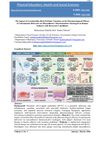 January 2026 in “Physical Education Health and Social Sciences”
 Combining probiotics, clotrimazole gel, and laser therapy improves treatment for recurrent yeast infections.
 14 citations
,
May 2013 in “Emerging infectious diseases”
14 citations
,
May 2013 in “Emerging infectious diseases” Cryptococcus gattii can remain dormant in animals for over 8 years.
 December 2024 in “Buletin Veteriner Udayana”
 Improving cage hygiene and sanitation is crucial to prevent colisepticemia in chickens.
September 2015 in “Photodiagnosis and Photodynamic Therapy”  December 2023 in “Journal of biobased materials and bioenergy”
 The algae grew better and fixed nitrogen more efficiently when they worked together, using nitrogen and iron.
 43 citations
,
September 2014 in “Molecular Plant”
43 citations
,
September 2014 in “Molecular Plant” CLE40 and CRN/CLV2 pathways have opposite effects on root growth in Arabidopsis.
 16 citations
,
March 2022 in “Archives of Toxicology”
16 citations
,
March 2022 in “Archives of Toxicology” Botulinum and tetanus neurotoxins are better understood now, with updated information on their effects and treatment.
 6 citations
,
July 2021 in “Microbial biotechnology”
6 citations
,
July 2021 in “Microbial biotechnology” The combined treatment with engineered bacteria and yellow LED light improved wound healing in mice.
 March 2025 in “Research Square (Research Square)”
 Lactiplantibacillus plantarum lysate from green tea may help treat scalp seborrheic dermatitis.
5 citations
,
January 2017 in “Chalmers Publication Library (Chalmers University of Technology)” Cubosomes enhance antimicrobial peptide stability and effectiveness.
 1 citations
,
April 2019 in “Journal of Investigative Dermatology”
1 citations
,
April 2019 in “Journal of Investigative Dermatology” VB1953 gel significantly reduced acne and resistant bacteria in patients who didn't respond to clindamycin.
 3 citations
,
October 2020 in “International journal of radiation research”
3 citations
,
October 2020 in “International journal of radiation research” Feeding rats gamma-irradiated flour with pests affects the pests and does not significantly harm the rats.
June 2021 in “International Journal of Biosciences (IJB)” Tridax procumbens flower extracts can kill bacteria.
 October 2022 in “Research Square (Research Square)”
 The conclusion is that certain chemicals from Bacillus subtilis help improve plant root growth through a hormone-related process.
January 2013 in “Hunan Agricultural Sciences” Lactobacillus reuteri and Bacillus natto can replace antibiotics to improve piglet health and growth.
 September 2021 in “Journal of skin and stem cell”
 Lactium, a milk protein, can help reduce symptoms of skin disorders linked to stress and anxiety without side effects.
 January 2019 in “Advances in Environmental Biology”
 Propionibacterium acnes contributes to acne and antibiotic resistance, needing new treatments.
1 citations
,
April 1983 in “Trends in Biochemical Sciences” 4 citations
,
January 2023 in “bioRxiv (Cold Spring Harbor Laboratory)” PrrH sRNA controls pyochelin gene expression in Pseudomonas aeruginosa based on heme levels.
477 citations
,
March 2004 in “Proceedings of the National Academy of Sciences” The DMI3 gene is essential for nodule development and symbiosis in certain plants.
 December 2023 in “Scientific reports”
 Fermented soy protein may help prevent bone loss by affecting bone cell activity.
July 2025 in “Journal of Investigative Dermatology” Probiotics significantly reduce the severity of atopic dermatitis.
 June 2025 in “Indian Journal of Veterinary Medicine”
 The dog's skin infection was cured with a new antibiotic treatment and supplements.
97 citations
,
January 1996 in “Clinical infectious diseases/Clinical infectious diseases (Online. University of Chicago. Press)” Fluconazole is somewhat effective for skin-related sporotrichosis but less so for severe forms, and should be a backup treatment.
January 2026 in “Microorganisms” Bifidobacterium animalis subsp. lactis J12 helps reduce atopic dermatitis symptoms.