 May 2022 in “Journal of Immunology”
 A parasite molecule can speed up skin healing and reduce scarring.
December 2025 in “JGH Open” Early diagnosis and treatment with corticosteroids can improve outcomes in Cronkhite–Canada syndrome.
Cattle with dermatophytosis in Diyala show severe skin damage and abnormalities.
138 citations
,
December 1976 in “Journal of Biological Chemistry” The enzyme from human skin can cross-link proteins and needs calcium to work.
 53 citations
,
May 1987 in “The Lancet”
53 citations
,
May 1987 in “The Lancet” The document suggests a possible link between Crohn's disease and Johne's disease and calls for more research.
December 2024 in “PubMed” 7 citations
,
April 2002 in “Science” Botulinum toxin, once seen as a poison, is now used to treat medical conditions and is unlikely to be an effective biological weapon.
3 citations
,
March 1981 in “Journal of Toxicology and Environmental Health” Rats developed lung issues from the drugs, but these cleared quickly after stopping them.

Ca²⁺-mediated protein citrullination controls cell growth in the CNS and may help treat brain tumors.

Enterococcus faecalis delays wound healing by disrupting cell functions and creating an anti-inflammatory environment.
16 citations
,
March 2023 in “Clinical Cosmetic and Investigational Dermatology” LactoSporin cream reduces wrinkles and improves skin texture safely.
 12 citations
,
November 2014 in “Bioscience, Biotechnology, and Biochemistry”
12 citations
,
November 2014 in “Bioscience, Biotechnology, and Biochemistry” Genetically modifying a bacteria and changing its growth conditions significantly increased the production of a chemical called dipicolinic acid.
37 citations
,
October 2021 in “Journal of Clinical Investigation” Skin inflammation can worsen intestinal inflammation and colitis.
 May 2025 in “The Journal of Rheumatology”
 A rare lupus case in Bangladesh improved with specific treatment.
 August 2023 in “International Medical Case Reports Journal”
 Acne necrotica can be effectively treated with topical cream and antibiotics.
28 citations
,
January 1999 in “Dermatology” Fluconazole is the preferred treatment for deep skin infections in immunocompromised patients.
5 citations
,
April 2022 in “The journal of investigative dermatology/Journal of investigative dermatology” A new therapy for a skin blistering condition has not been developed yet.
 6 citations
,
February 2023 in “Plant and Soil”
6 citations
,
February 2023 in “Plant and Soil” Bacillus subtilis strain WM13-24 helps plant root growth through volatile compounds.
 17 citations
,
January 2009 in “Nippon Ishinkin Gakkai Zasshi”
17 citations
,
January 2009 in “Nippon Ishinkin Gakkai Zasshi” A 10-year-old boy recovered from a scalp infection caused by a fungus after treatment with itraconazole.
 April 2023 in “Journal of Investigative Dermatology”
 Type 2 cytokines IL-4 and IL-13 increase skin's vulnerability to Staphylococcus aureus, which could be important for treating atopic dermatitis.
August 1994 in “American Journal of Veterinary Research” Monoclonal antibody B72.3 selectively reacts with certain dog tissues, mainly in the gastrointestinal and respiratory tracts.
 June 2025 in “Indian Journal of Veterinary Medicine”
 The dog's skin infection was cured with a new antibiotic treatment and supplements.
July 2026 in “bioRxiv (Cold Spring Harbor Laboratory)” TCDD exposure causes sebaceous glands to differentiate and produce more lipids before shrinking.
80 citations
,
August 2022 in “Materials Today Bio” The hydrogel dressing effectively treats chronic wounds by regulating inflammation and improving healing.
40 citations
,
July 2008 in “PROTEOMICS” A new model helps study acne and test treatments.
 May 2025 in “The Journal of Rheumatology”
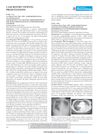
 SLE can cause unusual gastrointestinal symptoms, and immunosuppressive therapy can be effective.
13 citations
,
November 2017 in “Neurotoxicity research/Neurotoxicity resarch” Sodium metabisulfite increases sodium channel activity, leading to higher cell excitability and potential damage.
5 citations
,
February 2025 in “Scientia Horticulturae” Enterobacter sp. SA187 helps tomato plants grow better in salt and heat by boosting stress-related responses.
January 2013 in “Hunan Agricultural Sciences” Lactobacillus reuteri and Bacillus natto can replace antibiotics to improve piglet health and growth.
June 2026 in “BMC Microbiology” Cyanoacrylate glue effectively reduces contamination in hair follicle samples.