November 2025 in “SKIN The Journal of Cutaneous Medicine” Ritlecitinib is generally safe for adolescents with alopecia areata over 5 years.
 July 1996 in “Clinical and Experimental Dermatology”
 Putting calcipotriol ointment on the skin once doesn't change calcium levels in the body right away.
1 citations
,
November 2011 in “InTech eBooks” Citrate is a safer alternative to heparin for preventing blood clots in hemodialysis.
 January 2014 in “Reactions Weekly”
 A woman experienced unusual hair loss and skin reactions after taking phenobarbital, but her hair grew back after treatment.
62 citations
,
January 2009 in “Epilepsia” Neurosteroid production in the brain may delay seizure onset.
 1 citations
,
January 2018 in “Side effects of drugs annual”
1 citations
,
January 2018 in “Side effects of drugs annual” Diuretics can cause serious side effects and should be used carefully.
 2 citations
,
April 2023 in “Expert Review of Clinical Immunology”
2 citations
,
April 2023 in “Expert Review of Clinical Immunology” Baricitinib is effective as a treatment for severe hair loss.
 July 2017 in “Nursing2023”
 Actemra is approved for a specific artery condition, HIV treatment adherence has improved, women may pay more for a hair loss product, and incorrect dosing of blood thinners can be risky.
 January 2024 in “American journal of clinical dermatology”
 Ritlecitinib is safe and well-tolerated for treating alopecia areata in patients aged 12 and older.
 May 2025 in “Birth Defects Research”
 YWS1903 is safe for pregnant rats at moderate doses but causes fetal issues at high doses.
 1 citations
,
January 2017 in “Journal of Clinical and Diagnostic Research”
1 citations
,
January 2017 in “Journal of Clinical and Diagnostic Research” Sodium valproate can cause reversible hair loss in some patients.
 July 2025 in “SKIN The Journal of Cutaneous Medicine”
 Ritlecitinib is generally safe for alopecia areata patients over 72 months.
January 2009 in “IRIS UNIMORE (University of Modena and Reggio Emilia)” Neurosteroids from glia cells help control seizure development in epilepsy.
 June 2019 in “Reactions Weekly” 4 citations
,
November 2023 in “SKIN The Journal of Cutaneous Medicine”
June 2019 in “Reactions Weekly” 4 citations
,
November 2023 in “SKIN The Journal of Cutaneous Medicine” Ritlecitinib is safe for treating alopecia areata for up to 48 weeks.
5 citations
,
February 2025 in “Pediatric Dermatology” Ritlecitinib was generally well tolerated in children with alopecia areata.
August 2026 in “Canadian Journal of Health Technologies” Litfulo is recommended for treating severe alopecia areata in people 12 and older, as it helps hair regrowth.
 2 citations
,
March 2012 in “JAMA”
2 citations
,
March 2012 in “JAMA” Early surgery reduces seizure risk in drug-resistant epilepsy; testosterone to DHT conversion doesn't affect muscle anabolism; veterans with PTSD likely to have riskier opioid use; bevacizumab helps in hereditary bleeding disorder.
15 citations
,
June 2014 in “Behavioural Brain Research” Neurosteroids may help metyrapone reduce cocaine addiction.
 July 2025 in “The Journal of Dermatology”
 Ritlecitinib has common side effects like headache and acne, and unexpected ones like diabetes and thyroid issues.
 November 2010 in “Clin-Alert”
 Monitoring for adverse effects in clinical treatments is crucial.
 119 citations
,
October 1992 in “Fundamental & Clinical Pharmacology”
119 citations
,
October 1992 in “Fundamental & Clinical Pharmacology” Potassium channel openers could help treat cardiovascular diseases and asthma but require better targeting to specific tissues for effective use.
 December 2021 in “Black sea journal of health science”
 Valproic acid can cause a rare allergic reaction leading to fluid around the lungs and heart, which is treatable by changing medication.
 June 2022 in “Veterinary evidence”
 Clomipramine alone does not reduce overgrooming in cats with psychogenic alopecia.
July 2024 in “Reactions Weekly”  August 2025 in “Psychiatry and Clinical Neurosciences Reports”
 Escitalopram helped a woman with hair-pulling due to long COVID.

Baricitinib helps regrow hair in teens with severe alopecia areata.
September 2023 in “Journal of the American Academy of Dermatology” CTP-543 is generally safe for treating alopecia areata.
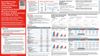 November 2025 in “SKIN The Journal of Cutaneous Medicine”
 Baricitinib works better in adolescents than adults for treating severe alopecia areata.
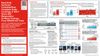 January 2025 in “SKIN The Journal of Cutaneous Medicine”
 Baricitinib significantly regrows hair in severe alopecia areata patients.