November 2025 in “Journal of Medicinal Chemistry” Topical PROTACs show promise for treating skin conditions but need better stability and delivery methods.
November 2025 in “Natural Product Communications” Rosemary essential oil can improve mood, sleep, and cognitive function but may cause allergies, so use it carefully.
December 2025 in “Current Issues in Molecular Biology” Cytarabine can cause multiple organ toxicities, especially neurotoxicity, but better research methods are needed to fully understand and predict these effects.
43 citations
,
July 2023 in “Pharmaceuticals” Caffeine can boost health, prevent diseases, and improve performance, with new methods enhancing its benefits.
 March 2025 in “bioRxiv (Cold Spring Harbor Laboratory)”
 HairTime can predict and adjust human sleep patterns using a hair sample.
237 citations
,
September 2018 in “Clinical Biochemistry” Hair cortisol analysis can help diagnose stress-related conditions but needs more refinement for widespread use.
5 citations
,
January 2023 in “International Journal of Environmental Research and Public Health” Boosting motivation can increase physical activity in women with PCOS.
1 citations
,
January 2021 in “European Journal of Inflammation” Methylated flavonoids may effectively reduce depression and inflammation caused by finasteride.
January 2026 in “Psychoneuroendocrinology” Self-collected hair samples can measure stress but may need adjustments for accuracy.
1 citations
,
January 2025 in “Neuropsychopharmacology Reports” Higher sugar and maltose intake is linked to autism, while total carbohydrates, fructose, and lactose are linked to lower autism rates.
65 citations
,
September 2014 in “Orphanet Journal of Rare Diseases” Different STUB1 gene mutations cause varied symptoms in autosomal recessive ataxias.
10 citations
,
January 2022 in “Contrast Media & Molecular Imaging” HBM-based nursing intervention improved medication compliance, reduced negative emotions, and enhanced quality of life for renal transplant recipients.
September 2025 in “Frontiers in Pharmacology” Platycladus Orientalis leaf vesicles may help treat anxiety, depression, and insomnia.
1 citations
,
January 2024 in “Frontiers in Psychology” Less attractive male venture capitalists take more risks influenced by entrepreneurs' looks, while more attractive ones are generally risk-tolerant.
Multicultural festivals help promote social harmony and integration in diverse societies.
1 citations
,
February 2023 in “Ibrain” Black cumin and its nanoformulations show promise in treating neurodegenerative diseases.
46 citations
,
April 2021 in “International Journal of Molecular Sciences” Curcumin shows promise in reducing pain and inflammation, but more research is needed.
13 citations
,
October 2023 in “Pharmaceutics” The new nasal gel for schizophrenia improved drug absorption and brain effects in rats.
9 citations
,
January 2022 in “Biology” Male mice are more susceptible to autism-like changes from valproic acid than female mice.
5 citations
,
October 2022 in “Journal of Mind and Medical Sciences” Different drugs are linked to specific mental health issues.
January 2026 in “Western Journal of Nursing Research” Hair cortisol levels don't reliably indicate chronic stress in people with multiple sclerosis.
 September 2025 in “Australian Journal of Herbal and Naturopathic Medicine”
 Ashwagandha is safe and effective for reducing perimenopausal symptoms.
280 citations
,
May 2005 in “Andrology” Testosterone treatment for older men can have short-term benefits, but long-term risks are unclear, requiring careful evaluation and monitoring.
Scalp cooling helps prevent hair loss and improves quality of life during chemotherapy.
February 2024 in “Neurophotonics” Light therapy on the brain shows promise for treating brain diseases and improving brain function.
December 2025 in “Neurobiology of Stress” People who recently attempted suicide during depression showed signs of adrenal fatigue, but had higher DHEA levels around the attempt time.
44 citations
,
April 2023 in “Frontiers in Molecular Biosciences” Long COVID is complex, affects many survivors, and needs more research for effective treatments.
13 citations
,
February 2021 in “Brain Sciences” Androgens improve memory in adolescent male rats by acting on brain receptors.
7 citations
,
January 2020 in “Journal of King Saud University - Science” Celery helps protect against developmental and brain issues in mice exposed to certain toxins.
 5 citations
,
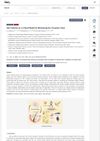
January 2023 in “International Journal of Molecular Sciences”
5 citations
,
January 2023 in “International Journal of Molecular Sciences” Hair follicles could be used to noninvasively monitor our body's internal clock and help identify risks for related diseases.