 March 2025 in “Forum Dermatologicum”
 Metabolic syndrome may worsen certain skin conditions, and managing both together is important.
 January 2025 in “Journal of Cutaneous Immunology and Allergy”
 Baricitinib is effective for treating severe alopecia areata in Japanese patients, but long-term safety needs more study.

Traumatic anserine folliculosis is a harmless skin condition in young males that needs correct diagnosis to avoid unnecessary treatments.
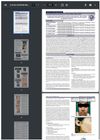 January 2025 in “International Journal of Scientific Research”
 12.5% of women with PCOS experience moderate hair loss, highlighting the need for early detection and management.
 January 2025 in “Dermatologic Therapy”
 Minoxidil with betamethasone is the most effective for hair regrowth in alopecia areata.
January 2025 in “Excellence in Pediatrics Abstracts” Early recognition and treatment of hidradenitis suppurativa in children are crucial to prevent complications.
 September 2024 in “Journal of the American Academy of Dermatology”
 Baricitinib 4 mg is effective and safe for treating severe alopecia areata.
 May 2024 in “Research Square (Research Square)”
 Pediatric androgenetic alopecia is linked to obesity, family history, hormonal imbalances, and requires personalized treatment including managing comorbidities.
 April 2024 in “Pediatric dermatology”
 Transgender and gender diverse youth often have skin issues like acne and scarring, but few get referred to dermatologists.
 February 2024 in “Practical Diabetes”
 Spironolactone helps reduce hospital visits and death from heart issues, lowers blood pressure, but has unclear effects on heart failure with normal heart pump function and can cause high potassium and breast enlargement in men.
 September 2023 in “International Journal of Community Medicine and Public Health”
 Different sebaceous gland diseases can be treated with medications, hormone therapy, or surgical methods.
 September 2023 in “The Journal of Dermatology”
 Bariatric surgery improved many skin conditions in obese patients but caused hair loss in some and decreased facial oil and skin elasticity.
September 2023 in “Journal of the American Academy of Dermatology” Methylprednisolone treatment helps most alopecia areata patients, but young age, extensive hair loss, and low vitamin D can affect results.
 April 2023 in “JAAD international”
 Patients with Frontal fibrosing alopecia in Morocco often have skin conditions and thyroid disorders.
 April 2023 in “Journal of Investigative Dermatology”
 Weight loss surgery improved several skin conditions in obese patients but often caused hair loss.
 March 2023 in “Journal of the American Academy of Dermatology”
 Treating underlying conditions and using antifungals effectively resolve Pityrosporum folliculitis in immunocompromised people.
 January 2023 in “Revista da Associação Médica Brasileira”
 Brazilian patients with inflammatory bowel disease have a high rate of skin problems compared to healthy people.
 December 2022 in “Journal of Medical Case Reports”
 A 20-year-old woman was found to have a rare ovarian tumor causing symptoms like acne and a low-pitched voice, which disappeared after the tumor was removed.
 September 2022 in “Acta Medica”
 The pandemic caused new skin problems in children, mainly due to mask-wearing and stress.
Polycystic ovary syndrome (PCOS) affects about 10% of women, is often linked to obesity and family history, and can cause irregular periods, fertility issues, and other symptoms. It's usually managed with lifestyle changes, weight loss, and medication.
 December 2021 in “Journal of pharmaceutical research international”
 Spironolactone may be effective for acne and other skin conditions and could be used more in treatment.
 October 2021 in “Journal of pharmaceutical research international”
 Yoga, specifically Malasana, can help reduce anxiety and depression in women with Polycystic Ovarian Syndrome.
August 2021 in “Journal of the American Academy of Dermatology” The study evaluated how alopecia areata severity relates to its psychosocial effects on patients.
July 2021 in “Journal of medical pharmaceutical and allied sciences” Amenorrhea, or missing periods, is caused by various factors and is treated based on the specific cause.
PRP and microneedling are generally safe but can cause rare severe complications.
 October 2020 in “Medicine - Programa De Formación Médica Continuada Acreditado”
 Female hyperandrogenism is a condition caused by too much male hormones, leading to skin issues and ovulation problems, often due to Polycystic Ovary Syndrome, and is treated based on individual symptoms.
 October 2020 in “The Egyptian Journal of Hospital Medicine”
 More than half of the young women checked had PCOS, which was linked to inactive lifestyles and poor diets.
Skin issues in women with PCOS are linked to hormone imbalances and can help diagnose the condition early.
 July 2019 in “International journal of reproduction, contraception, obstetrics and gynecology”
 Obesity greatly affects polycystic ovarian syndrome, and losing weight should be the first treatment for obese patients to improve their chances of ovulation and pregnancy.
 July 2019 in “International Journal of Advance Research in Community Health Nursing”
 Raising awareness about PCOS in young females can help prevent long-term health issues.