35 citations
,
July 2018 in “BMJ Open” People with atopic dermatitis have a higher risk of developing keloids, especially women, those under 40, and those with severe symptoms.
 5 citations
,
January 2017 in “Anais brasileiros de dermatologia/Anais Brasileiros de Dermatologia”
5 citations
,
January 2017 in “Anais brasileiros de dermatologia/Anais Brasileiros de Dermatologia” Porokeratotic eccrine and hair follicle nevus is a very rare skin disorder possibly caused by a GJB2 gene mutation.
 3 citations
,
October 2021 in “Clinical, Cosmetic and Investigational Dermatology”
3 citations
,
October 2021 in “Clinical, Cosmetic and Investigational Dermatology” Scalp melanoma, a deadly skin cancer, is often found late due to its hard-to-see location, especially in older men. Early detection, possible treatments, and the role of hairdressers in spotting it early are discussed. More research is needed to improve detection and treatment.
3 citations
,
May 2013 in “PubMed” Research on Hutchinson-Gilford progeria syndrome could help understand normal aging and heart disease.
 2 citations
,
October 2023 in “Philosophical transactions - Royal Society. Biological sciences”
2 citations
,
October 2023 in “Philosophical transactions - Royal Society. Biological sciences” Enzymes that change arginine to citrulline are important for skin barrier and hair formation, and their malfunction can lead to skin conditions and hair disorders.
 2 citations
,
April 2018 in “Journal of Investigative Dermatology”
2 citations
,
April 2018 in “Journal of Investigative Dermatology” The conclusion is that differentiating wound types in RDEB patients is important for clinical trials and understanding the disease.
 1 citations
,
April 2016 in “British Journal of Dermatology”
1 citations
,
April 2016 in “British Journal of Dermatology” Buschke-Ollendorff syndrome is a rare genetic disorder causing skin and bone changes, with some cases also showing ADHD or developmental delays.
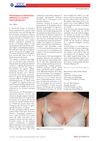 1 citations
,
August 2012 in “Journal der Deutschen Dermatologischen Gesellschaft”
1 citations
,
August 2012 in “Journal der Deutschen Dermatologischen Gesellschaft” A woman's hyperandrogenism was caused by a genetic mutation leading to non-classic adrenogenital syndrome.
 April 2017 in “Journal of Investigative Dermatology”
 Chemotherapy and radiation therapy cause skin and hair damage by altering gene expression and signaling pathways.
 April 2016 in “Journal of Investigative Dermatology”
 Decreasing MIG6 can increase the movement and invasiveness of MEK-inhibited mutant NRAS melanoma, particularly when stimulated by EGF.
 July 2010 in “British Journal of Dermatology”
 New hair regrowth model proposed, imiquimod found to kill skin cancer cells, T-cadherin loss linked to invasive skin cancer, no clear gene link to skin cancer after transplant, and study on children's hair loss shows male dominance and genetic ties.
 147 citations
,
January 2003 in “American journal of clinical dermatology”
147 citations
,
January 2003 in “American journal of clinical dermatology” The document concludes that accurate diagnosis of ichthyosis is crucial for treatment and genetic advice, and ongoing research is needed for better therapies.
62 citations
,
October 1999 in “Journal of Investigative Dermatology” New mutations in hair keratin genes can change hair structure and cause monilethrix, with nail issues more common in certain gene mutations.
 52 citations
,
October 2012 in “Journal of Dermatological Science”
52 citations
,
October 2012 in “Journal of Dermatological Science” The document concludes that mouse models are crucial for studying hair biology and that all mutant mice may have hair growth abnormalities that require detailed analysis to identify.
 30 citations
,
June 2021 in “British Journal of Dermatology”
30 citations
,
June 2021 in “British Journal of Dermatology” Mutations in the WNT10A gene can cause skin, hair, teeth, and other disorders, and may also affect other areas like kidney and cancer, with potential for targeted treatments.
 7 citations
,
November 2020 in “Experimental Dermatology”
7 citations
,
November 2020 in “Experimental Dermatology” Different cell types work together to repair skin, and targeting them may improve healing and reduce scarring.
 6 citations
,
January 2021 in “Annals of Dermatology”
6 citations
,
January 2021 in “Annals of Dermatology” 650 nm red light helps hair grow and prevents hair loss by affecting certain genes and biological processes.
5 citations
,
August 2016 in “bioRxiv (Cold Spring Harbor Laboratory)” Genetic factors can predict male pattern baldness risk.
 4 citations
,
June 2025 in “Medeniyet Medical Journal”
4 citations
,
June 2025 in “Medeniyet Medical Journal” TMPRSS2 is crucial for COVID-19 infection and is a potential target for treatment.
2 citations
,
August 2024 in “Indian Dermatology Online Journal” Premature graying of hair is mainly caused by genetics, stress, and environment, with potential treatments being explored.
 1 citations
,
January 2023 in “Portuguese Journal of Dermatology and Venereology”
1 citations
,
January 2023 in “Portuguese Journal of Dermatology and Venereology” JAK inhibitors effectively treat skin conditions and topical forms are safer.
 1 citations
,
November 2021 in “Biomedicines”
1 citations
,
November 2021 in “Biomedicines” Understanding how acne develops in different diseases could lead to new treatments.
 1 citations
,
January 2020 in “Research Square (Research Square)”
1 citations
,
January 2020 in “Research Square (Research Square)” Inherited color dilution in Rex rabbits is linked to DNA methylation changes in hair follicles.
 April 2023 in “bioRxiv (Cold Spring Harbor Laboratory)”
 Sweat gland development involves two unique skin cell programs and a temporary skin environment.
 January 2019 in “Advances in stem cells and their niches”
 Skin health and repair depend on the signals between skin stem cells and their surrounding cells.
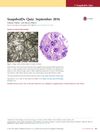 August 2016 in “Journal of Investigative Dermatology”
 Scalp psoriasis features reversible hair loss and specific immune activation, with no significant hair follicle damage.
 May 2012 in “Nature Genetics”
 Blond hair in Solomon Islanders is due to a unique genetic variant, not European ancestry.
 November 1983 in “American Biology Teacher”
 Pattern baldness is likely caused by a dominant gene influenced by testosterone levels, making it more common in men.
 11 citations
,
September 2001 in “The Cleft Palate Craniofacial Journal”
11 citations
,
September 2001 in “The Cleft Palate Craniofacial Journal” Hair transplant surgery successfully restored a boy's moustache hair on a cleft lip scar, with natural-looking results and patient satisfaction.
 6 citations
,
September 2001 in “The Cleft Palate Craniofacial Journal”
6 citations
,
September 2001 in “The Cleft Palate Craniofacial Journal” Hair transplant surgery successfully restored a boy's moustache hair on a cleft lip scar, with natural-looking results and patient satisfaction.