 May 2024 in “International Seven Journal of Multidisciplinary”
 More research is needed to better understand and treat Fibrosing Frontal Alopecia.
 30 citations
,
January 2020 in “Journal of The American Academy of Dermatology”
30 citations
,
January 2020 in “Journal of The American Academy of Dermatology” Fibrosing alopecia in a pattern distribution is a hair loss condition often confused with other types, requiring early treatment but usually not resulting in significant hair regrowth.
 7 citations
,
August 2021 in “Journal of the European Academy of Dermatology and Venereology”
7 citations
,
August 2021 in “Journal of the European Academy of Dermatology and Venereology” Early treatment of fibrosing alopecia in a pattern distribution may improve outcomes.
 January 2026 in “Clinical Cosmetic and Investigational Dermatology”
 Early diagnosis and targeted anti-inflammatory treatments can improve outcomes in androgenetic alopecia with perifollicular inflammation and fibrosis.
March 2026 in “Anais Brasileiros de Dermatologia” Lichen planopilaris and frontal fibrosing alopecia are likely distinct diseases with different tissue involvement.
 1 citations
,
July 2018 in “Elsevier eBooks”
1 citations
,
July 2018 in “Elsevier eBooks” Triple horizontal scalp biopsies are 98% accurate in diagnosing hair loss, better than single biopsies.
14 citations
,
January 2018 in “Skin Appendage Disorders” Upper eyelid hyperpigmentation can help diagnose facial lichen planus pigmentosus in patients with frontal fibrosing alopecia.
 September 2022 in “The American journal of dermatopathology/American journal of dermatopathology”
 Sunscreen particles were not found in inflamed or fibrotic areas of skin in FFA patients, suggesting no direct link to the disease.
 July 2022 in “JEADV Clinical Practice”
 The document concludes that different types of permanent hair loss conditions are related and early treatment is key to preventing further damage.
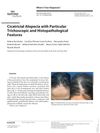 November 2018 in “Skin appendage disorders”
 The document concludes that a woman has both Frontal Fibrosing Alopecia and Lichen Simplex Chronicus, a previously unreported combination of conditions.

The study concluded that Frontal fibrosing alopecia can affect younger people, is often missed in men, and may be autoimmune-related.
 August 2022 in “IntechOpen eBooks”
 The best treatment for Frontal Fibrosing Alopecia and Lichen Planopilaris combines oral and topical medications to reduce symptoms and stop hair loss.
7 citations
,
August 2019 in “American Journal of Dermatopathology” Frontal fibrosing alopecia on limbs shows permanent inflammatory hair loss, not typical scarring.
 April 2026 in “Brazilian Journal of Hair Health”
 Perifollicular fibrosis hinders hair regrowth in androgenetic alopecia, and new treatments targeting fibrosis are needed.
 September 2022 in “The American Journal of Dermatopathology”
 Blocking IL-17 might help treat the hair loss condition Lichen planopilaris.
14 citations
,
January 2014 in “Indian Journal of Dermatology Venereology and Leprology” Frontal fibrosing alopecia can affect men's beards and leads to permanent hair loss.
 170 citations
,
December 2009 in “Histopathology”
170 citations
,
December 2009 in “Histopathology” The conclusion is that accurate diagnosis of different types of hair loss requires good teamwork between skin doctors and lab experts.
 64 citations
,
June 2014 in “Journal of The American Academy of Dermatology”
64 citations
,
June 2014 in “Journal of The American Academy of Dermatology” Researchers found a white halo around hair in most patients with a specific type of hair loss, which helps in early diagnosis and treatment.
 36 citations
,
June 2018 in “Journal of The American Academy of Dermatology”
36 citations
,
June 2018 in “Journal of The American Academy of Dermatology” Dermoscopy is useful for diagnosing various skin, hair, and nail disorders and can reduce the need for biopsies.
 32 citations
,
August 2015 in “Anais Brasileiros de Dermatologia”
32 citations
,
August 2015 in “Anais Brasileiros de Dermatologia” Black women's unique hair characteristics and styling practices can lead to specific scalp conditions, which require early diagnosis and appropriate treatment.
 29 citations
,
September 2014 in “American Journal of Dermatopathology”
29 citations
,
September 2014 in “American Journal of Dermatopathology” Horizontal sections of scalp biopsies are good for diagnosing Central Centrifugal Cicatricial Alopecia and help customize treatment.
 22 citations
,
January 2018 in “Experimental Dermatology”
22 citations
,
January 2018 in “Experimental Dermatology” The meeting focused on understanding, diagnosing, and finding treatments for irreversible hair loss diseases.
July 2024 in “Clinical Case Reports” Recognizing rare hair loss patterns in young females can improve understanding and treatment.
 March 2023 in “Journal of Cosmetic Dermatology”
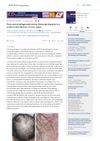
 A woman's progressive hair loss was correctly diagnosed as a rare condition called fibrosing alopecia in a pattern distribution after initially being mistaken for a more common type.
 April 2012 in “Informa Healthcare eBooks”
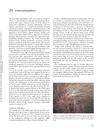
 Lichen planopilaris is a rare, chronic condition causing hair loss, mainly in middle-aged women, and early treatment is important to prevent permanent baldness.
 73 citations
,
November 2005 in “Journal of Investigative Dermatology Symposium Proceedings”
73 citations
,
November 2005 in “Journal of Investigative Dermatology Symposium Proceedings” Some women with common hair loss may develop permanent hair loss.
 32 citations
,
February 2008 in “Journal of the American Academy of Dermatology”
32 citations
,
February 2008 in “Journal of the American Academy of Dermatology” KFSD is a genetic disorder causing hair loss and skin issues, with no effective treatment.
 9 citations
,
September 2016 in “Dermatologic Surgery”
9 citations
,
September 2016 in “Dermatologic Surgery” New LPP subtype affects vellus hairs, mimics AGA, and needs biopsy for diagnosis.
 5 citations
,
February 2017 in “Australasian Journal of Dermatology”
5 citations
,
February 2017 in “Australasian Journal of Dermatology” Scarring hair loss found in female pattern; biopsy needed for diagnosis.
 3 citations
,
October 2021 in “Journal of Cosmetic Dermatology”
3 citations
,
October 2021 in “Journal of Cosmetic Dermatology” Trichoscopy helps tell apart Frontal Fibrosing Alopecia and Lichen planopilaris by showing different hair and scalp features.