 126 citations
,
April 2006 in “International Journal of Dermatology”
126 citations
,
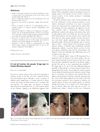
April 2006 in “International Journal of Dermatology” The conclusion is that FFA and LPP have similar scalp biopsy features, making them hard to distinguish histologically, and FFA may be a specific kind of scarring hair loss.
 39 citations
,
July 2015 in “British Journal of Dermatology”
39 citations
,
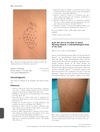
July 2015 in “British Journal of Dermatology” The pseudo 'fringe sign' can also appear in frontal fibrosing alopecia, not just in traction alopecia, showing that this condition may be more common than thought.
 31 citations
,
April 2010 in “British journal of dermatology/British journal of dermatology, Supplement”
31 citations
,
April 2010 in “British journal of dermatology/British journal of dermatology, Supplement” Frontal fibrosing alopecia can cause sudden hair loss on limbs, similar to scalp hair loss.
October 2025 in “Clinical and Experimental Dermatology” Fibrosing alopecia can be stabilized or improved with anti-inflammatory treatments and hair growth agents.
 April 2023 in “Journal of Investigative Dermatology”
 The study suggests fibrosing alopecia in a pattern distribution has distinct features and may vary by race.
 4 citations
,
May 2020 in “Journal of The American Academy of Dermatology”
4 citations
,
May 2020 in “Journal of The American Academy of Dermatology” Cicatricial pattern hair loss is likely advanced common baldness, not a type of lichen planopilaris.
5 citations
,
October 2019 in “JAAD Case Reports” These hair loss conditions might be part of a spectrum, not separate issues.
 1 citations
,
April 2017 in “Journal of Investigative Dermatology”
1 citations
,
April 2017 in “Journal of Investigative Dermatology” D-OCT shows increased blood vessel growth in response to tissue damage in Frontal Fibrosing Alopecia and is useful for diagnosis and monitoring.
 February 2026 in “Frontiers in Medicine”
 Fibrosing alopecia starts earlier in Latin American men and often looks like common male pattern baldness.
 7 citations
,
August 2018 in “The American Journal of Dermatopathology”
7 citations
,
August 2018 in “The American Journal of Dermatopathology” Researchers found a new early sign of Frontal Fibrosing Alopecia that could help avoid misdiagnosis.
 16 citations
,
February 2010 in “Journal of the European Academy of Dermatology and Venereology”
16 citations
,
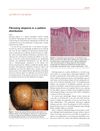
February 2010 in “Journal of the European Academy of Dermatology and Venereology” Fibrosing alopecia in a pattern distribution is a unique hair loss condition that may respond to antiandrogen therapy.
 September 2017 in “Journal of Dermatology & Cosmetology”
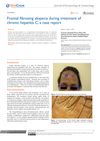
 Hepatitis C treatment may cause frontal fibrosing alopecia.
 5 citations
,
April 2019 in “Journal of The American Academy of Dermatology”
5 citations
,
April 2019 in “Journal of The American Academy of Dermatology” Frontal Fibrosing Alopecia may be a complex condition linked to hormonal changes in women, not just a form of Lichen Planopilaris.
 1 citations
,
July 2018 in “Elsevier eBooks”
1 citations
,
July 2018 in “Elsevier eBooks” FAPD and possibly CCCA may be AGA subtypes, and treatments combining antiandrogens, hair growth agents, hair transplants, and anti-inflammatories could be effective.
 January 2026 in “Frontiers in Medicine”
 FFA and FAPD might be related or stages of the same disease.
 13 citations
,
January 2019 in “Skin appendage disorders”
13 citations
,
January 2019 in “Skin appendage disorders” FAPD is a possible diagnosis for hair loss in patients of color and requires multiple evaluations for accurate diagnosis.
 12 citations
,
January 2015 in “Indian Journal of Dermatology, Venereology and Leprology”
12 citations
,
January 2015 in “Indian Journal of Dermatology, Venereology and Leprology” A mother and daughter with similar hair loss conditions and identical HLA types suggest a genetic link between the conditions.
 1 citations
,
June 2017 in “Skin”
1 citations
,
June 2017 in “Skin” Apremilast may help treat lichen planopilaris and frontal fibrosing alopecia when other treatments fail.
 March 2023 in “Journal of clinical review & case reports”
 Frontal Fibrosing Alopecia mainly affects postmenopausal Mexican women, requiring early detection to prevent permanent hair loss.
 14 citations
,
June 2021 in “British journal of dermatology/British journal of dermatology, Supplement”
14 citations
,
June 2021 in “British journal of dermatology/British journal of dermatology, Supplement” Experts agreed on guidelines to improve research on Frontal Fibrosing Alopecia.
 8 citations
,
November 2018 in “Australasian Journal of Dermatology”
8 citations
,
November 2018 in “Australasian Journal of Dermatology” Frontal fibrosing alopecia in families shows similar signs to individual cases and may have a genetic link.
 2 citations
,
April 2017 in “Actas Dermo-Sifiliográficas”
2 citations
,
April 2017 in “Actas Dermo-Sifiliográficas” Best treatment for Frontal Fibrosing Alopecia is 5-alpha-reductase inhibitors and intralesional corticosteroids.
 December 2020 in “Skin appendage disorders”
 A young man with an unusual type of scarring hair loss suggests a possible new variant of a known scalp condition.
 158 citations
,
February 2000 in “Archives of dermatology”
158 citations
,
February 2000 in “Archives of dermatology” Some people with pattern hair loss may also have scalp inflammation and scarring similar to lichen planopilaris.
 23 citations
,
April 2021 in “Journal of Clinical Medicine”
23 citations
,
April 2021 in “Journal of Clinical Medicine” Frontal Fibrosing Alopecia's cause is unclear, affects mainly postmenopausal women, and current treatments focus on stopping hair loss rather than regrowth.
 8 citations
,
October 2016 in “Actas Dermo-Sifiliográficas”
8 citations
,
October 2016 in “Actas Dermo-Sifiliográficas” FFA in men, often mistaken for other hair loss types, may be more common than thought and needs larger studies for confirmation.
 March 2025 in “Forum Dermatologicum”
 Trichoscopy is crucial for accurately diagnosing fibrosing alopecia in pattern distribution.
 49 citations
,
January 2003 in “Clinical and Experimental Dermatology”
49 citations
,
January 2003 in “Clinical and Experimental Dermatology” The document concludes that post-menopausal frontal fibrosing alopecia is a poorly understood condition that does not respond well to common treatments.
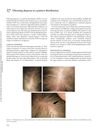 April 2012 in “Informa Healthcare eBooks”
 Fibrosing alopecia in a pattern distribution is a unique hair loss condition with inflammation and scarring, resembling but distinct from common balding.

Frontal fibrosing alopecia can be managed with personalized combination therapies, but no cure exists yet.