25 citations
,
March 2002 in “Scanning” Confocal microscopy is better than scanning electron microscopy for studying hair in its natural state and understanding hair products' effects.
 4 citations
,
March 2013 in “InTech eBooks”
4 citations
,
March 2013 in “InTech eBooks” Confocal Laser Scanning Microscopy (CLSM) is a useful tool for studying how drugs interact with skin and diagnosing skin disorders, despite some limitations.
1 citations
,
May 2023 in “bioRxiv (Cold Spring Harbor Laboratory)” A new tool allows easier long-term imaging of live skin cells, helping study diseases like skin cancer.
99 citations
,
January 2002 in “Plastic & Reconstructive Surgery” Fetal rat wounds heal without scars at 16.5 days gestation.
57 citations
,
December 2012 in “Journal of Biomedical Optics” Confocal microscopy is useful for studying how nanoparticles interact with skin.
 7 citations
,
August 2018 in “Journal of Cosmetic and Laser Therapy”
7 citations
,
August 2018 in “Journal of Cosmetic and Laser Therapy” Microneedling combined with skinbooster effectively treats striae rubrae, with confocal microscopy confirming collagen changes.
2 citations
,
January 2023 in “Skin Appendage Disorders” More research is needed to confirm initial findings on hair loss patterns from chemotherapy.
 May 2023 in “Experimental Dermatology”
 RCM and OCT are effective for diagnosing and monitoring hair-related skin diseases but lack standardized protocols and need more research.
 26 citations
,
April 2011 in “Skin Research and Technology”
26 citations
,
April 2011 in “Skin Research and Technology” In vivo confocal scanning laser microscopy is an effective, non-invasive way to study and measure new hair growth after skin injury in mice.
27 citations
,
November 2012 in “Journal of Biomedical Optics” Confocal Raman microscopy can effectively study drug delivery in hair follicles using pig ear models.
 21 citations
,
December 2016 in “European journal of pharmaceutics and biopharmaceutics”
21 citations
,
December 2016 in “European journal of pharmaceutics and biopharmaceutics” Nano-sized lipid particles increase dexamethasone's skin penetration and create a reservoir in the skin layers.
 February 2023 in “International Journal of Pharmaceutics”
 A new version of minoxidil, a hair loss treatment, was made using nanotechnology. This version, called minoxidil cubosomes, works better and causes fewer skin reactions than the old version. It also penetrates and stays in the skin better, promoting hair regrowth. It's safe and could be a good alternative to current treatments.
 20 citations
,
January 2015 in “Polish Journal of Pathology”
20 citations
,
January 2015 in “Polish Journal of Pathology” Reflectance confocal microscopy is a useful, non-invasive tool for diagnosing some skin diseases, with potential for future improvements.
 20 citations
,
April 2011 in “British Journal of Dermatology”
20 citations
,
April 2011 in “British Journal of Dermatology” Reflectance confocal microscopy can tell apart white dots on the scalp as either sweat gland ducts or hair follicle openings.
2 citations
,
December 2022 in “Bio-Design and Manufacturing” A new portable microscope can effectively monitor skin wound healing in real-time.
 July 2022 in “Skin research and technology”
 Skin CT can help diagnose rosacea by identifying specific skin features, but should be used with clinical signs to avoid misdiagnosis.
February 2022 in “Skin research and technology” Reflective confocal microscopy can potentially diagnose epidermoid cysts without a biopsy.
 4 citations
,
April 2020 in “Dermatology practical & conceptual”
4 citations
,
April 2020 in “Dermatology practical & conceptual” Reflectance confocal microscopy is useful for diagnosing and monitoring skin diseases, but it has limitations and requires expertise for correct use.
2 citations
,
November 2025 in “Pharmaceutics” Moderately lipophilic dyes penetrate skin deeply, while highly hydrophobic or lipophilic dyes stay on the surface.
 1 citations
,
October 2024 in “Dermatology Practical & Conceptual”
1 citations
,
October 2024 in “Dermatology Practical & Conceptual” Reflectance confocal microscopy is a promising non-invasive tool for diagnosing alopecia areata incognita.
1 citations
,
December 2022 in “Pharmaceutics” Finasteride-loaded microemulsions can effectively enhance skin delivery for treating hair loss.
 39 citations
,
January 2011 in “Archives of Dermatology”
39 citations
,
January 2011 in “Archives of Dermatology” Reflectance confocal microscopy confirms that yellow dots are signs of damaged hair follicles in alopecia areata.
 19 citations
,
April 2019 in “Journal of the European Academy of Dermatology and Venereology”
19 citations
,
April 2019 in “Journal of the European Academy of Dermatology and Venereology” Acne lesions start with changes in hair follicles and increase in inflammation, suggesting a cycle that could affect treatment strategies.
 17 citations
,
May 2016 in “Archives of Dermatological Research”
17 citations
,
May 2016 in “Archives of Dermatological Research” Reflectance confocal microscopy can help tell apart scarring from non-scarring hair loss.
13 citations
,
March 2021 in “Frontiers in oncology” Reflectance confocal microscopy reliably identifies skin cancer features like horizontal skin tissue sections.
12 citations
,
May 2012 in “Journal of Biomedical Optics” Trichoscan® is best for measuring hair growth, RCM for analyzing hair follicles, and OCT is useful for both.
2 citations
,
July 2018 in “Chinese Journal of Dermatology” Sebaceous nevus changes with age, and dermoscopy and RCM are effective for diagnosis.
1 citations
,
January 2022 in “Anais brasileiros de dermatologia/Anais Brasileiros de Dermatologia” Reflectance confocal microscopy may help diagnose trichofolliculoma by showing specific skin features.
 1 citations
,
February 2018 in “Australasian journal of dermatology”
1 citations
,
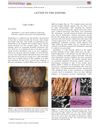
February 2018 in “Australasian journal of dermatology” Advanced imaging techniques are crucial for accurately diagnosing Monilethrix, a rare hair disorder.
 December 2025 in “Dermatological Health”
 Using eyebrow powder caused eyebrow hair loss, but stopping its use led to regrowth.