89 citations
,
August 2018 in “JAMA Dermatology” Contact immunotherapy can improve hair regrowth in alopecia areata patients.
 12 citations
,
June 2010 in “Journal of dermatology”
12 citations
,
June 2010 in “Journal of dermatology” Some patients with severe alopecia areata developed skin darkening from their treatment, which may indicate a less effective response to the therapy.
11 citations
,
January 2010 in “European Journal of Dermatology” Contact immunotherapy helped hair regrow in a patient with both alopecia and psoriasis.
5 citations
,
May 2015 in “The Journal of Dermatology” Topical corticosteroids can help treat severe alopecia areata when other treatments fail.
3 citations
,
July 2024 in “Archives of Dermatological Research” Oral ritlecitinib and baricitinib are promising treatments for severe alopecia areata due to their balance of effectiveness and safety.
 2 citations
,
July 2014 in “Our Dermatology Online”
2 citations
,
July 2014 in “Our Dermatology Online” Contact immunotherapy can cause vitiligo in patients with autoimmune conditions.
1 citations
,
December 2017 in “Dermatology - Open Journal” Alopecia areata was successfully treated with contact immunotherapy, oral antihistamines, and topical corticosteroids.
April 2023 in “Journal of Investigative Dermatology” Contact immunotherapy can change immune responses in alopecia areata, suggesting new treatment targets.
 September 2022 in “Dermatology and therapy”
 Contact immunotherapy might help treat various skin conditions, but more research is needed to confirm its safety and effectiveness.
17 citations
,
October 2021 in “Journal of Cosmetic Dermatology” All three treatments help manage alopecia areata in children, but more research is needed for long-term effects.
15 citations
,
March 2008 in “The Journal of Dermatology” Topical squaric acid dibutylester worsened discoid lupus erythematosus in a patient.
 February 2026 in “Frontiers in Medicine”
 Topical immunotherapy is still effective for managing alopecia areata, even with new treatments available.
 July 2021 in “International journal of dermatology, venereology and leprosy sciences”
 Diphenylcyclopropenone is more effective and has fewer side effects than dinitrochlorobenzene for treating alopecia areata.
 7 citations
,
January 2017 in “International Journal of Dermatology”
7 citations
,
January 2017 in “International Journal of Dermatology” Superficial cryotherapy significantly improves eyebrow hair growth in alopecia universalis patients.
20 citations
,
March 2021 in “Drug design, development and therapy” Topical immunotherapy can treat alopecia areata, but its effectiveness varies and the exact mechanism is unclear.
 January 2023 in “Dermatologic therapy”
 Diphenylcyclopropenone topical immunotherapy is effective for treating alopecia areata, with some side effects.
 218 citations
,
April 2012 in “British Journal of Dermatology”
218 citations
,
April 2012 in “British Journal of Dermatology” Guidelines suggest various treatments for alopecia areata, but leaving it untreated is also an option as 80% cases may recover on their own.
 182 citations
,
October 2003 in “British Journal of Dermatology”
182 citations
,
October 2003 in “British Journal of Dermatology” The 2003 guidelines suggest that while some treatments can regrow hair in alopecia areata, none alter the disease's progression, and wigs may be the best option for extensive hair loss.
91 citations
,
May 2023 in “Journal of Cutaneous Medicine and Surgery” Alopecia Areata affects 2% globally, with treatments like essential oils, garlic, and JAK inhibitors showing promise, but more research is needed.
 51 citations
,
December 2011 in “The Journal of Dermatology”
51 citations
,
December 2011 in “The Journal of Dermatology” New treatments for severe hair loss often fail, but some patients see hair regrowth with specific therapies, and treatment should be tailored to the individual's situation.
48 citations
,
April 2021 in “Journal of the American Academy of Dermatology” Topical corticosteroids are the best initial treatment for children's alopecia areata.
 29 citations
,
August 2008 in “Current Opinion in Pediatrics”
29 citations
,
August 2008 in “Current Opinion in Pediatrics” Hair loss in teenagers is hard to treat and lacks a cure, with some treatments available depending on the type of hair loss.
 14 citations
,
December 2010 in “Dermatologica Sinica”
14 citations
,
December 2010 in “Dermatologica Sinica” New treatments for hair loss show promise, but more development is needed, especially for tough cases.
 11 citations
,
May 2009 in “Actas Dermo-Sifiliográficas”
11 citations
,
May 2009 in “Actas Dermo-Sifiliográficas” Some treatments can help hair regrowth in alopecia areata, but none offer a cure, and effectiveness varies.
 5 citations
,
January 2019 in “Skin appendage disorders”
5 citations
,
January 2019 in “Skin appendage disorders” The conclusion is that it's important to tell apart alopecia areata from lipedematous alopecia for proper treatment, as alopecia areata can be reversed.
5 citations
,
June 2002 in “Clinical and Experimental Dermatology” Alopecia areata management involves explaining the condition, using treatments like steroids and immunotherapy, and providing support like counseling and wigs.
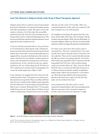 3 citations
,
April 2017 in “Dermatologic Surgery”
3 citations
,
April 2017 in “Dermatologic Surgery” Laser hair removal can be an effective last-resort treatment for men with stubborn Alopecia Areata who want to be uniformly bald.
 1 citations
,
January 2023 in “Przegląd Dermatologiczny”
1 citations
,
January 2023 in “Przegląd Dermatologiczny” The Polish Society of Dermatology recommends treatments for alopecia areata that vary by severity, including topical and systemic medications, with long-term maintenance important for management.
1 citations
,
November 2022 in “Journal of pharmaceutical negative results” Alopecia areata is an autoimmune condition causing patchy hair loss, with treatments focusing on immune system regulation and hair regrowth.
November 2025 in “British Journal of Dermatology” The guideline recommends personalized treatment for alopecia areata, including new oral medications and psychological support.