
Microtrauma techniques like microneedling and PRP can help regrow hair in non-scarring alopecia.
 December 2024 in “Dermatological Reviews”
 New treatments for Alopecia Areata, like JAK inhibitors, are effective, and future research is exploring advanced therapies.
July 2024 in “Journal of Investigative Dermatology” Topical corticosteroids are recommended first for treating pediatric alopecia areata due to safety and ease of use.
 June 2022 in “Journal of pharmaceutical research international”
 Alopecia causes patchy hair loss and can be diagnosed with new techniques; treatments like strong creams and contact immunotherapy can help.
January 2018 in “Dermatology Online Journal” Alopecia areata is hard to treat, but new targeted therapies show promise.
 January 2015 in “Indian Dermatology Online Journal”
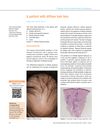
 The patient's hair loss is most likely due to diffuse alopecia areata.
August 2017 in “Journal of biotechnology” Topical corticosteroids are the best initial treatment for children with Alopecia Areata.
 July 2021 in “British Journal of Dermatology”
 Low testosterone levels may contribute to female pattern hair loss in men.
 July 2014 in “Elsevier eBooks”
 The document concludes that various hypersensitivity diseases in horses can be diagnosed and treated with methods like immunotherapy and medication, and early aggressive treatment is crucial for severe diseases like equine cutaneous pythiosis.
 45 citations
,
January 2010 in “International journal of trichology”
45 citations
,
January 2010 in “International journal of trichology” Topical immunotherapy, especially with DPCP, is effective for treating severe alopecia areata.
22 citations
,
March 1999 in “International Journal of Clinical Practice” Diphencyprone (DCP) is an effective treatment for severe alopecia areata and resistant warts, with some risks.
1 citations
,
June 2019 in “Journal of Cutaneous Immunology and Allergy” Squaric acid dibutylester can cause severe skin reactions in people with allergies.
50 citations
,
July 1981 in “Archives of Dermatology” DNCB helps regrow hair in alopecia areata patients, but safer alternatives are needed.
 36 citations
,
May 2011 in “Dermatologic therapy”
36 citations
,
May 2011 in “Dermatologic therapy” No treatments fully cure or prevent alopecia areata; some help but have side effects or need more research.
 4 citations
,
July 2008 in “British journal of dermatology/British journal of dermatology, Supplement”
4 citations
,
July 2008 in “British journal of dermatology/British journal of dermatology, Supplement” Poor response to topical immunotherapy in alopecia areata patients is linked to impaired cell responses.
 23 citations
,
July 2008 in “British journal of dermatology/British journal of dermatology, Supplement”
23 citations
,
July 2008 in “British journal of dermatology/British journal of dermatology, Supplement” Topical contact sensitizers can treat certain skin conditions but are rarely used in the U.K.
 13 citations
,
June 2010 in “Journal of dermatological treatment”
13 citations
,
June 2010 in “Journal of dermatological treatment” Diphencyprone is effective for treating patchy hair loss in alopecia areata, but tacrolimus is not.
 January 2024 in “Annals of Dermatology”
 DPCP immunotherapy is effective for alopecia areata, and understanding influencing factors can improve treatment and satisfaction.
 8 citations
,
September 2004 in “Contact dermatitis”
8 citations
,
September 2004 in “Contact dermatitis” Avoiding dyed wigs and clothing improved severe allergic reactions in a woman treated with diphencyprone.
 4 citations
,
September 2018 in “The Journal of Dermatology”
4 citations
,
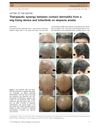
September 2018 in “The Journal of Dermatology” A man's hair regrew from alopecia areata after using tofacitinib and experiencing contact dermatitis from a wig device.
 July 2025 in “Frontiers in Medicine”
 Topical immunotherapy can help with severe hair loss, but results vary and need personalized, long-term treatment.
 January 2024 in “Dermatology practical & conceptual”
 Atopic dermatitis in kids with alopecia areata can predict poor response to topical immunotherapy.
 October 2023 in “Frontiers in medicine”
 Targeted immunotherapy could be a promising new treatment for hair regrowth.
 January 2021 in “Online Publication Service of Würzburg University (Würzburg University)”
 Diphenylcyclopropenon treatment for Alopecia areata is effective and safe, improving patients' quality of life.
 15 citations
,
July 2002 in “Australasian Journal of Dermatology”
15 citations
,
July 2002 in “Australasian Journal of Dermatology” Two plywood factory workers developed contact dermatitis from phenol-formaldehyde resin, a known allergen.
 January 2005 in “Elektronische Hochschulschriften der LMU München (Ludwig-Maximilians-Universität München)”
 Topical immunotherapy with DPCP is most effective for certain alopecia areata types, with success linked to age and disease duration, and influenced by a gene polymorphism.
 1 citations
,
August 2019 in “Australasian journal of dermatology”
1 citations
,
August 2019 in “Australasian journal of dermatology” Immunotherapy can help treat severe alopecia areata.
 179 citations
,
October 2018 in “American Journal of Clinical Dermatology”
179 citations
,
October 2018 in “American Journal of Clinical Dermatology” Cancer treatments targeting specific cells and the immune system can cause skin, mouth, hair, and nail problems, affecting patients' quality of life and treatment adherence.
 26 citations
,
October 2018 in “Clinical & Translational Oncology”
26 citations
,
October 2018 in “Clinical & Translational Oncology” Spanish experts provided guidelines for treating skin side effects in cancer patients on new therapies, stressing early action and teamwork.
 16 citations
,
March 2018 in “Seminars in Oncology”
16 citations
,
March 2018 in “Seminars in Oncology” The document concludes that pregnancy and cancer share immune evasion tactics, but more research is needed before using checkpoint blockade immunotherapy in pregnant cancer patients to avoid harm to the placenta.