Search
for
Sort by
Research
30-60 / 1000+ resultsresearch Normalization of testosterone levels using a low estrogen-containing oral contraceptive in women with polycystic ovary syndrome.
Loestrin effectively normalizes testosterone levels and improves PCOS symptoms with minimal side effects.
research Cutaneous Side Effects of Oral Contraceptives
Oral contraceptives can cause skin issues like dark patches, acne, yeast infections, sensitivity to light, spider veins, skin rashes, and hair loss.
research Clinical efficacy and safety of low‐dose flutamide alone and combined with an oral contraceptive for the treatment of idiopathic hirsutism
Low-dose flutamide helps reduce excessive hair growth and is even more effective with birth control, without bad effects on blood fats.
research Oral Contraceptives and Cyproterone Acetate in Female Acne Treatment
Birth control pills and cyproterone acetate can help treat acne in women, especially when linked to hormonal issues.
research Complications of Subcutaneous Contraception: A Review
Subcutaneous contraceptives can cause side effects like menstrual changes, headaches, weight gain, and pain at the implant site.
research Testosterone levels in relation to oral contraceptive use and the androgen receptor CAG and GGC length polymorphisms in healthy young women
Oral contraceptives lower testosterone levels in women, especially those with certain genetic traits, and may be linked to increased breast cancer risk.
research The Treatment of Hyperandrogenism with Oral Contraceptives
Birth control pills are effective for treating women with too much male hormone.
research Androgenic effects of oral contraceptives: Implications for patient compliance
Newer low-dose oral contraceptives with less androgenic effects improve patient compliance.
research Comparison of two contraceptive pills containing drospirenone and 20 μg or 30 μg ethinyl estradiol for polycystic ovary syndrome
Both contraceptive pill doses effectively reduced androgen levels in women with PCOS.
research Treatment of hirsutism with flutamide and a low-dosage oral contraceptive in polycystic ovarian disease patients
Flutamide combined with a low-dose birth control pill effectively reduces excessive hair growth in women with polycystic ovarian disease.
research An Open Randomized Comparative Study of an Oral Contraceptive Containing Ethinyl Estradiol and Cyproterone Acetate with and without the GnRH Analogue Goserelin in the Long-Term Treatment of Hirsutism
The oral contraceptive alone is the preferred treatment for hirsutism, as adding the GnRH analog showed no significant benefit.
research Oral Contraceptives as Anti-Androgenic Treatment of Acne
Birth control pills can help reduce mild to moderate acne in women.
research Alopecia From Oral Contraceptives
Oral contraceptives may cause hair loss in women.
research Prostate-Sparing Effects in Primates of the Potent Androgen 7α-Methyl-19-Nortestosterone: A Potential Alternative to Testosterone for Androgen Replacement and Male Contraception1
MENT could be a better option than testosterone for male hormone therapy and birth control because it works well at lower doses and has fewer side effects on the prostate.
research Family planning 2011: better use of existing methods, new strategies and more informed choices for female contraception
The conclusion is that there is a high demand for new contraceptives that provide both pregnancy prevention and protection against STIs, along with additional health benefits.
research The effect of an oral contraceptive containing ethinylestradiol and desogestrel on hair growth and hormonal parameters of hirsute women
The contraceptive reduced hair growth and altered hormone levels in hirsute women.
research Side-effects and possible complications of oral contraceptive drugs.
Oral contraceptives can cause nausea, headaches, mood changes, and other side effects, especially early on.
research Melasma and other skin manifestations or oral contraceptives.
Oral contraceptives often cause melasma and other skin issues.
research Comparison of ovarian electrocautery and oral contraceptives in the treatment of hyperandrogenism in women with polycystic ovary syndrome
Oral contraceptives are effective for treating hyperandrogenism, while ovarian electrocautery is better for women with infertility.
research Effects of oral contraceptives on the quality of life of women with polycystic ovary syndrome: a crossover randomized controlled trial
Birth control pills containing cyproterone acetate improve the quality of life more for women with polycystic ovary syndrome after 6 months of use.
research Effect of phlebotomy versus oral contraceptives containing cyproterone acetate on the clinical and biochemical parameters in women with polycystic ovary syndrome: a randomized controlled trial
Blood removal and birth control pills both helped with hormone levels in women with PCOS, but birth control was better for regular periods and blood removal had fewer side effects.
research YouTube and the implementation and discontinuation of the oral contraceptive pill: A mixed-method content analysis
Most women felt positive after stopping oral contraceptive pills despite some side effects.
research PCOS and Obesity: Contraception Challenges
Low-dose ethinyl estradiol and LNG-IUD are safer contraception options for obese women with PCOS.
research Knowledge and beliefs about the use/abuse of oral contraceptive pills among males: A mixed-method explanatory sequential study in community pharmacy settings
Many men misuse oral contraceptive pills for things like hair growth and muscle gain.
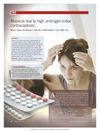
research Alopecia due to high androgen index contraceptives
Some birth control pills can cause hair loss, and switching to ones with less androgen should help.
research [Cutaneous effects in hormonal contraception].
Hormonal birth control can cause skin issues, but low-dose options and those with antiandrogens may reduce these effects.

research [Skin changes from taking hormonal contraceptives].
Taking hormonal contraceptives can cause skin changes, including hair loss, due to the effects of synthetic sex hormones.

research Oral contraceptive pill (OCP) treatment alters the gene expression of intercellular adhesion molecule-1 (ICAM-1), tumor necrosis factor-α (TNF-α), monocyte chemoattractant protein-1 (MCP-1) and plasminogen activator inhibitor-1 (PAI-1) in polycystic ovary syndrome (PCOS) women compared to drug-naive PCOS women
Birth control pills change the activity of certain inflammation and blood clotting genes in women with PCOS.
research Sex Hormones: Hormonal Contraception and Hormone Replacement Therapy
Hormonal contraceptives and therapies regulate organ functions and treat various conditions.