 5 citations
,
March 2017 in “Cell and Tissue Banking”
5 citations
,
March 2017 in “Cell and Tissue Banking” Researchers developed a new method to quickly prepare skin cells that improve wound healing in rats.
3 citations
,
March 1966 in “Archives of Dermatology” Nevoid basal cell carcinomas start in the skin's top layer and hair follicles.
12 citations
,
April 2004 in “PubMed” A rare skin condition in a baby showed unusual fat and hair follicle changes.
January 2016 in “Methods in molecular biology” HAP stem cells in hair follicles could help repair nerves and spinal cords.
January 2000 in “Neuroscience Research” January 2026 in “SSRN Electronic Journal” February 2026 in “Advanced Science” TTNPB helps turn stem cells into neural stem cells, improving depression-like behaviors in rats.
November 2025 in “Drug Delivery and Translational Research”  December 2020 in “Journal of The American Academy of Dermatology”
 Artificial intelligence can accurately predict hair growth and treatment results in female pattern hair loss patients, with age of onset and duration being key factors.
 2 citations
,
August 2022 in “Frontiers in Veterinary Science”
2 citations
,
August 2022 in “Frontiers in Veterinary Science” The research found key RNA networks that may control hair growth in cashmere goats.
 3 citations
,
September 2006 in “Hair transplant forum international”
3 citations
,
September 2006 in “Hair transplant forum international” Transplanting 2,800 to 4,000 hair units closely together is a complex procedure that requires preparation.
 15 citations
,
May 2016 in “Die Pharmazie”
15 citations
,
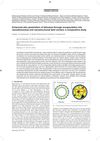
May 2016 in “Die Pharmazie” Nanostructured lipid carriers deliver lidocaine to the skin better than nanoethosomes.
3D-ultrasound can non-invasively detect and predict alopecia areata phases and outcomes.
 November 2022 in “The journal of investigative dermatology/Journal of investigative dermatology”
 New imaging technology can show up to 40 different markers in hair loss tissue, helping to understand hair disease better.
September 2025 in “PubMed” AI can greatly improve skin cancer diagnosis and treatment.
 January 2021 in “Skin appendage disorders”
 The report concludes that atypical Brauer nevus is more common in males, present at birth, and often misdiagnosed due to its unusual scalp locations.
 8 citations
,
September 2024 in “BMC Genomics”
8 citations
,
September 2024 in “BMC Genomics” circCFAP20DC helps goat ovarian cells grow, aiding follicle development.
319 citations
,
November 2005 in “Proceedings of the National Academy of Sciences” Hair follicle stem cells can help repair damaged nerves.
January 2016 in “Minerva Access (University of Melbourne)” Hair follicle transplantation can improve wound healing and nerve growth.
10 citations
,
February 2019 in “Journal of Cellular Biochemistry” Specific RNA patterns are linked to alopecia areata.
14 citations
,
February 2003 in “Journal of the American Academy of Dermatology” Folliculotropic mycosis fungoides can affect the central nervous system in advanced stages.
September 2018 in “Dermatologic Surgery”  January 2016 in “Hair transplant forum international”
 Hair transplant surgery can sometimes lead to nerve pain in the face.
87 citations
,
December 2015 in “Cochrane library” No single treatment is clearly effective for central serous chorioretinopathy.
 January 2025 in “Indian Dermatology Online Journal”
 Treatment reduced cystic lesions but didn't change existing Nevus Comedonicus.
10 citations
,
November 2018 in “bioRxiv (Cold Spring Harbor Laboratory)” New laser particles can track thousands of cells in 3D models, improving single-cell analysis.
 September 2025 in “International Society of Hair Restoration Surgery”
 Printable templates improve hair transplant accuracy and efficiency.

AI can predict hair loss patterns to improve care and treatment.
6 citations
,
March 2022 in “IET Image Processing” Targeting the narrowest part of the anterior chamber angle may help prevent pupil block in glaucoma.
 77 citations
,
April 1999 in “Dermatologic Clinics”
77 citations
,
April 1999 in “Dermatologic Clinics” The document concludes that follicular unit transplantation offers more natural results and better graft survival than older hair transplant methods.