 3 citations
,
February 2016 in “Nature Biotechnology”
3 citations
,
February 2016 in “Nature Biotechnology” New drug shows promise for better hair growth in baldness treatment.

There are many treatments for common hair loss, but more trials are needed to decide which are best.
4 citations
,
July 2022 in “Clinical Cosmetic and Investigational Dermatology” Clascoterone 1% cream is a promising new treatment for acne.
 December 2025 in “International Journal of Innovative Technologies in Social Science”
 New treatments for androgenetic alopecia show promise but need more research for validation.
 June 2025 in “Journal of Cluster Science”
 Metal nanoparticles show promise for treating hair loss but need more research to ensure safety.
 March 2025 in “Canadian dermatology today.”
 Clascoterone cream 1% is effective and well-tolerated for treating acne and other related conditions.
 January 2025 in “Clinical Cosmetic and Investigational Dermatology”
 Clascoterone cream effectively reduces acne severity and is safe for patients 12 and older.
 August 2024 in “Stem Cell Research & Therapy”
 New regenerative therapies show promise for treating hair loss.
 July 2024 in “International Journal of Molecular Sciences”
 Nannochloropsis salina fermented oil may help treat hair loss by promoting hair growth and reducing oxidative stress.
68 citations
,
May 2024 in “International Journal of Molecular Sciences” Personalized acne treatments and new therapies show promise for better results.
1 citations
,
December 2011 in “Arzneimittelforschung” CB-03-04 shows promise as a treatment for prostate issues due to its strong anti-androgen effects.
 3 citations
,
November 2017 in “International Journal of Pharmacy and Pharmaceutical Sciences”
3 citations
,
November 2017 in “International Journal of Pharmacy and Pharmaceutical Sciences”  23 citations
,
June 2015 in “Clinica Chimica Acta”
23 citations
,
June 2015 in “Clinica Chimica Acta” Researchers found potential urine markers for polycystic ovary syndrome, including testosterone-glucuronide and 11α-hydroxyprogesterone, which may help diagnose the condition.
Depressed teens have different steroid levels in urine, which may help identify and treat them.
 December 2025 in “Scientific Reports”
 Gut microbiota and metabolic pathways may play a key role in PCOS development.
 23 citations
,
February 1979 in “Veterinary Clinics of North America: Small Animal Practice”
23 citations
,
February 1979 in “Veterinary Clinics of North America: Small Animal Practice” Treatment can improve survival and symptoms in dogs with Cushing's disease, but outcomes are unpredictable.
 4 citations
,
February 2019 in “PubMed”
4 citations
,
February 2019 in “PubMed” Clascoterone may be an effective topical treatment for hair loss.
27 citations
,
June 2017 in “Expert opinion on investigational drugs” New anti-acne medications are being tested to offer alternatives to current treatments.
14 citations
,
June 2016 in “Seminars in Cutaneous Medicine and Surgery” Hormonal treatments effectively treat acne in females and could reduce antibiotic use.
 October 2023 in “Journal of the American Academy of Dermatology”
 Clascoterone cream could be used for other skin conditions affected by hormones.
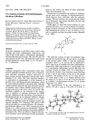 December 1998 in “Acta Crystallographica Section C-crystal Structure Communications”
 A new compound with strong antiandrogenic effects was found, potentially useful for treating conditions like acne and prostate cancer.
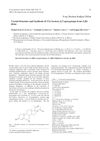 1 citations
,
January 2009 in “X-ray Structure Analysis Online”
1 citations
,
January 2009 in “X-ray Structure Analysis Online” A new compound was made that might help treat diseases related to male hormones.
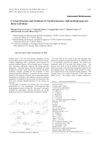 2 citations
,
October 2001 in “Analytical Sciences”
2 citations
,
October 2001 in “Analytical Sciences” A new compound that could treat various androgen-related conditions was created and analyzed.
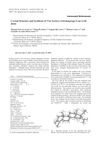 August 2002 in “Analytical Sciences”
 The document concludes that a compound with potential for treating prostate cancer and hair loss was successfully made and its detailed structure was confirmed.
 June 2010 in “Journal of Chemical Crystallography”
 The compound was successfully made and shows potential for treating prostate cancer.
 February 1999 in “Analytical Sciences”
 A new antiandrogen compound was made and its detailed three-dimensional shape was described.
February 2023 in “Reactions Weekly”  16 citations
,
August 2004 in “Tetrahedron”
16 citations
,
August 2004 in “Tetrahedron” Scientists made all eight versions of a compound called cyoctol, but found it's not an anti-androgen and it fully breaks down in the skin.
January 2002 in “Chinese Journal of Pharmaceuticals” A new method was developed to make a compound used in finasteride and epristeride with a 69% yield.
 January 1981 in “The Journal of Toxicological Sciences”
 Hydrocortisone 17-butyrate 21-propionate ointment caused reversible side effects like skin issues, weight gain, and organ changes in dogs.