 April 2023 in “The journal of investigative dermatology/Journal of investigative dermatology”
 The research identified unique metabolic activities in immune cells associated with hair loss in Alopecia Areata.
 5 citations
,
January 2018 in “Acta Dermatovenerologica Alpina Pannonica et Adriatica”
5 citations
,
January 2018 in “Acta Dermatovenerologica Alpina Pannonica et Adriatica” Congenital atrichia with papular lesions causes permanent hair loss in children.
8 citations
,
January 2020 Alopecia areata causes patchy hair loss, and certain hair features can suggest its presence.

Finasteride may cause memory problems by damaging the hippocampus.
 4 citations
,
October 2018 in “Experimental Dermatology”
4 citations
,
October 2018 in “Experimental Dermatology” Dermoscopy shows that diffuse alopecia areata progresses through specific hair growth stages.
 June 2023 in “Skin Research and Technology”
 High-resolution MRI can distinguish between tertiary androgenetic alopecia and severe alopecia areata by measuring scalp and tissue thickness and hair follicle depth.
June 2025 in “British Journal of Dermatology” Segmented hair color changes can indicate active alopecia areata.
 January 2012 in “Yearbook of Dermatology and Dermatologic Surgery”
 Alopecia areata is a hair loss condition that often starts before age 30 and can affect various body parts, with unpredictable hair regrowth chances.
 December 2016 in “Springer eBooks”
 A 45-year-old woman with autoimmune diseases experienced patchy hair loss due to alopecia areata, which has no cure but can be treated, with varying success.
2 citations
,
December 2001 in “Dermatologic Therapy” Steroids may not work well for alopecia areata because of high unoccupied receptors and low thioredoxin levels.
7 citations
,
April 2000 in “Archives of Pathology & Laboratory Medicine”  April 2026 in “Zenodo (CERN European Organization for Nuclear Research)”
 DHT increases scalp heat, causing hair loss.
2 citations
,
March 2025 in “Quantitative Imaging in Medicine and Surgery” Altered hypothalamic activity may contribute to stress in alopecia areata patients.
23 citations
,
October 1958 in “PubMed”  January 2026 in “Frontiers in Medicine”
 FFA and FAPD might be related or stages of the same disease.
18 citations
,
November 2003 in “Australasian Journal of Dermatology” Hair loss in this case was caused by a tumor, not typical baldness.
February 2026 in “Journal of Allergy and Clinical Immunology” Alopecia areata involves immune system issues and specific cell types that disrupt hair growth, leading to hair loss.
 November 2018 in “Skin appendage disorders”
 The document concludes that a woman has both Frontal Fibrosing Alopecia and Lichen Simplex Chronicus, a previously unreported combination of conditions.
 7 citations
,
May 2005 in “Experimental Dermatology”
7 citations
,
May 2005 in “Experimental Dermatology” Two mouse mutations cause similar hair loss despite different skin changes.
6 citations
,
July 2005 in “Acta Ophthalmologica Scandinavica” Mitochondriopathy may cause eyelash loss.
2 citations
,
February 2021 in “PubMed” Koilonychia in alopecia areata can improve with oral corticosteroids.
 18 citations
,
February 2014 in “PubMed”
18 citations
,
February 2014 in “PubMed” Androgenetic alopecia is a common hair loss condition caused by testosterone effects on hair follicles, leading to thinner, shorter, and less pigmented hair, diagnosed using scalp dermoscopy and treated with topical minoxidil, antiandrogen agents, and 5-alpha reductase inhibitors.
 26 citations
,
August 2016 in “Actas Dermo-Sifiliográficas”
26 citations
,
August 2016 in “Actas Dermo-Sifiliográficas” Frontal Fibrosing Alopecia in men is often missed and can come with symptoms like facial bumps and hair loss on eyebrows and limbs.
9 citations
,
July 2020 in “JAMA dermatology” Dermatoscopy can help diagnose CCCA without visible hair loss, offering a less invasive option than biopsy.
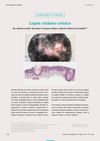 January 2024 in “Revista Dermatológica Centro Uraga”
 The patient has Chronic Cutaneous Lupus, a skin condition causing plaques and hair loss.
 4 citations
,
August 2005 in “Archives of Dermatological Research”
4 citations
,
August 2005 in “Archives of Dermatological Research” Higher p63 and CD34 levels found in specific scalp areas may affect hair loss progression.
 November 2024 in “Benha Journal of Applied Sciences”
 Reduced alpha smooth muscle actin may cause hair loss in androgenetic alopecia.
April 2026 in “Canadian Medical Association Journal” Female pattern hair loss is common and increases with age.
 53 citations
,
September 2011
53 citations
,
September 2011 Other common signs, not just the well-known immune cells around hair bulbs, are important for diagnosing hair loss from alopecia areata.
 October 2017 in “Journal of The European Academy of Dermatology and Venereology”
 Stem cells preservation in AGA could be a potential therapy, but more cases needed.