 11 citations
,
May 2000 in “International Journal of Dermatology”
11 citations
,
May 2000 in “International Journal of Dermatology” Taking a small dose of prednisone before menstruation can almost completely prevent premenstrual acne with few side effects.
1 citations
,
June 2026 in “Dermato” Ritlecitinib is effective for treating alopecia areata, showing significant hair regrowth with mild side effects.
 September 2025 in “Tạp chí Da liễu học Việt Nam”
 Combining oral methylprednisolone with microneedle radiofrequency improves hair growth in alopecia areata but may cause pain and side effects.
 26 citations
,
October 2016 in “Case Reports in Dermatology”
26 citations
,
October 2016 in “Case Reports in Dermatology” A man with severe hair loss saw hair and nail improvement after 10 months on tofacitinib without side effects.
 June 2021 in “International Ayurvedic Medical Journal”
 Ayurvedic treatments like leech therapy and turmeric-neem paste can effectively treat alopecia areata without harmful side effects.
 36 citations
,
May 2011 in “Dermatologic therapy”
36 citations
,
May 2011 in “Dermatologic therapy” No treatments fully cure or prevent alopecia areata; some help but have side effects or need more research.
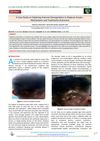 July 2025 in “International Journal of Pharmaceutical Sciences Review and Research”
 Individualized treatment and psychological support improved the patient's quality of life and appearance despite medication side effects.
 February 2023 in “Journal of Korean Medical Association”
 Targeted cancer therapies can cause new side effects, requiring careful monitoring and management to ensure patient safety.
 71 citations
,
March 2009 in “Seminars in cutaneous medicine and surgery”
71 citations
,
March 2009 in “Seminars in cutaneous medicine and surgery” Alopecia areata can cause unpredictable hair loss, and treatments like corticosteroids and minoxidil may help but have varying side effects.
 39 citations
,
May 2004 in “Clinics in Dermatology”
39 citations
,
May 2004 in “Clinics in Dermatology” The document concludes that treatment for cutaneous T-cell lymphoma should be customized to each patient's disease stage, balancing benefits and side effects, with no cure but many patients living long lives.
 14 citations
,
September 2015 in “Expert Opinion on Therapeutic Targets”
14 citations
,
September 2015 in “Expert Opinion on Therapeutic Targets” The conclusion is that while oral contraceptive pills are effective for PCOS-related high androgen levels, new treatments with fewer side effects are needed.
 46 citations
,
September 2016 in “Clinical, Cosmetic and Investigational Dermatology”
46 citations
,
September 2016 in “Clinical, Cosmetic and Investigational Dermatology” Hormonal treatments are effective for severe or persistent acne and should be used with other acne therapies, considering potential side effects.
 13 citations
,
June 2020 in “International Journal of Dermatology”
13 citations
,
June 2020 in “International Journal of Dermatology” A rare scalp condition mainly in older women can be treated with various alternatives to steroids, which may have fewer side effects.
 1 citations
,
July 2015 in “British Journal of Dermatology”
1 citations
,
July 2015 in “British Journal of Dermatology” Imiquimod improved skin pigmentation in most patients with xeroderma pigmentosum and may prevent further skin cancer, but some treatments can have side effects.
 March 2025 in “Dermatologic Surgery”
 Fractional radiofrequency microneedling is as effective and safe as intralesional steroids for treating patchy alopecia areata, with fewer side effects.
38 citations
,
January 2013 in “Dermatology” Careful patient selection is key for effective pulse corticosteroid treatment in children with alopecia areata.
34 citations
,
November 1974 in “Archives of Dermatology” Smaller, diluted corticosteroid injections reduce the risk of vision loss.
April 2016 in “Journal of the American Academy of Dermatology” Incorrect injection of corticosteroids for alopecia areata can cause skin problems.
 November 2023 in “Deleted Journal”
 Combining laser and corticosteroid is not better than corticosteroid alone for treating frontal fibrosing alopecia.
70 citations
,
February 2018 in “Seminars in Arthritis and Rheumatism” Belimumab reduces disease activity, steroid use, and flares in lupus patients.
 30 citations
,
August 2015 in “JAAD case reports”
30 citations
,
August 2015 in “JAAD case reports” Platelet-rich plasma (PRP) injections successfully treated a woman's steroid-resistant hair loss, causing hair to regrow within a month.
18 citations
,
July 1998 in “Pediatric Dermatology” Monthly oral corticosteroid pulses effectively treat widespread alopecia areata in young patients.
August 2025 in “International Journal of Scientific Research” PRP is a promising alternative for alopecia areata due to its safety and patient satisfaction.
March 2020 in “QJM: An International Journal of Medicine” Standard intralesional corticosteroids are the best treatment for patchy alopecia areata.
 January 2022 in “Clinical, Cosmetic and Investigational Dermatology”
 A mix of methotrexate, corticosteroids, and topical minoxidil effectively treated severe total body hair loss, but caused stretch marks and needs long-term monitoring.
28 citations
,
July 2015 in “Dermatologic therapy” The combined therapy was effective and safe for children with severe alopecia areata.
 4 citations
,
January 2022 in “Drug design, development and therapy”
4 citations
,
January 2022 in “Drug design, development and therapy” Intramuscular corticosteroids are effective and safe for severe alopecia areata, with most patients regrowing hair, but nearly half may relapse.
 February 2022 in “Cleveland Clinic Journal of Medicine”
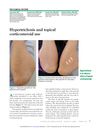
 Prolonged use of topical corticosteroids can cause excessive hair growth.
 December 2011 in “InTech eBooks”
 Systemic corticosteroids can help treat rapidly spreading vitiligo but require more research for safer use.
 May 2026 in “Journal of the Egyptian Womenʼs Dermatologic Society”
 Intralesional methotrexate effectively treats patchy alopecia areata by reducing inflammation.