 145 citations
,
November 2017 in “Journal of The European Academy of Dermatology and Venereology”
145 citations
,
November 2017 in “Journal of The European Academy of Dermatology and Venereology” Use minoxidil for hair loss treatment; assess results after 6 months.
 March 1985 in “Inpharma (Balgowlah)”
 Minoxidil helps 32% of patients with hereditary baldness regrow hair.
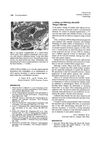 9 citations
,
January 1987 in “Journal of The American Academy of Dermatology”
9 citations
,
January 1987 in “Journal of The American Academy of Dermatology” A man lost a lot of scalp hair quickly after stopping minoxidil, but it grew back with mild male pattern baldness.
1 citations
,
March 2025 in “JAAD reviews.” Minoxidil is effective for hair regrowth, and its benefits outweigh the risk of extra hair growth.
 24 citations
,
February 1987 in “Drugs”
24 citations
,
February 1987 in “Drugs” Minoxidil promotes hair regrowth, but more research needed for effectiveness and response factors.
July 2026 in “Journal of the American Academy of Dermatology” Most young patients found oral minoxidil helpful for hair loss and were willing to continue using it.
 29 citations
,
July 2009 in “Journal of Dermatology”
29 citations
,
July 2009 in “Journal of Dermatology” 5% minoxidil works better for hair growth than 1% minoxidil.
Minoxidil can slow hair loss and promote regrowth but won't fully restore hair.
2 citations
,
March 2009 in “Journal of Clinical Dermatology” Topical 5% minoxidil is safe and effective for treating hair loss in Korean men.
 2 citations
,
January 2009 in “Journal of Drug Delivery Science and Technology”
2 citations
,
January 2009 in “Journal of Drug Delivery Science and Technology” Minoxidil in distearyldimethylammonium chloride vesicles significantly promotes hair growth, while minoxidil in microparticles or poloxamer solutions doesn't.
 1 citations
,
February 2019 in “PubMed”
1 citations
,
February 2019 in “PubMed” Minoxidil is effective in treating various types of hair loss and can improve quality of life, with combination therapies showing increased effectiveness.
 1 citations
,
January 2018 in “International Journal of Research in Dermatology”
1 citations
,
January 2018 in “International Journal of Research in Dermatology” Adding finasteride to minoxidil solution for hair loss treatment didn't show extra benefits, just increased cost and fear of side effects.
 6 citations
,
October 2012 in “PubMed”
6 citations
,
October 2012 in “PubMed” The combined treatment of 3% minoxidil and 0.1% finasteride is more effective in improving hair loss than 3% minoxidil alone, with similar side effects.
 August 2018 in “Reactions Weekly”
 A woman had an allergic skin reaction to a hair loss treatment called minoxidil.
Low-dose oral minoxidil is effective for treating hair loss with personalized plans and safety monitoring.
 32 citations
,
January 2019 in “American Journal of Clinical Dermatology”
32 citations
,
January 2019 in “American Journal of Clinical Dermatology” Minoxidil helps treat eyebrow thinning, monilethrix, early hair loss, and shortens chemo-related hair loss.
 13 citations
,
January 1988 in “Contact Dermatitis”
13 citations
,
January 1988 in “Contact Dermatitis” Some patients using Minoxidil for baldness developed allergic skin reactions.
 September 2024 in “Journal of the American Academy of Dermatology”
 Low-dose oral minoxidil helps hair regrowth in COVID-19-related hair loss with few side effects.
 2 citations
,
December 2019 in “Biomedical dermatology”
2 citations
,
December 2019 in “Biomedical dermatology” Minoxidil works faster, but ketoconazole is a safer alternative for female hair loss.
 April 2024 in “JAMA dermatology”
 Oral minoxidil is as effective as topical minoxidil for male hair loss but has more side effects like excessive hair growth and headaches.

Topical minoxidil increases hair density in androgenetic alopecia but has unclear clinical significance.
January 2025 in “Reactions Weekly” November 2024 in “Reactions Weekly” May 2023 in “Reactions Weekly” May 2013 in “DOAJ (DOAJ: Directory of Open Access Journals)” The multimodal microemulsion with minoxidil, diclofenac, and tea tree oil is more effective for hair growth than minoxidil alone.
 October 2025 in “American Journal of Clinical Dermatology”
 Low-dose oral minoxidil can effectively promote hair growth but requires careful monitoring for safety.
 1 citations
,
August 2017
1 citations
,
August 2017 Minoxidil helps stimulate hair growth and enlarge small follicles in common hair loss, but doesn't stop it, and its effects can be boosted when combined with finasteride.
March 2026 in “International Society of Hair Restoration Surgery” Minoxidil is a safe, FDA-approved treatment for hair loss, available in topical and possibly low-dose oral forms.
2 citations
,
September 1991 in “Indian Journal of Dermatology Venereology and Leprology” Minoxidil caused a skin reaction in a woman.

Low-dose oral minoxidil is safe and effective for treating hair loss, with most side effects being mild and reversible.