 1 citations
,
March 2017 in “Archives of Plastic Surgery”
1 citations
,
March 2017 in “Archives of Plastic Surgery” A new method using gentian violet dye makes it easier to see and work with white hair in hair transplant surgeries.
 June 2026 in “International Journal of Advanced Biochemistry Research”
 Non-dermatophyte moulds like Aspergillus and Penicillium can cause skin issues in pets.

Preventive measures during surgery can avoid hair loss complications.
 January 2025 in “International Journal of Advanced Biochemistry Research”
 Microsporum spp. is the most common fungus causing skin infections in dogs.
 September 2023 in “Small animal advances”
 The kitten's skin infection was cured with medication in three weeks.

Certain ingredients in personal care products, like formaldehyde, oxidative hair dyes, and sulfates, pose health risks and need careful review.
 December 2021 in “Journal of Rheumatic Diseases”
 Early treatment of pediatric lupus-related eye issues is crucial to prevent vision loss.
 June 2021 in “International Ayurvedic Medical Journal”
 Ayurvedic treatments like leech therapy and turmeric-neem paste can effectively treat alopecia areata without harmful side effects.
 October 2019 in “Journal of Evolution of Medical and Dental Sciences”
 A 56-year-old man was diagnosed with Cronkhite-Canada Syndrome after showing symptoms like diarrhea, weight loss, and skin changes.
 August 2019 in “International journal of current microbiology and applied sciences”
 Young dogs in Odisha with dermatitis are most often infected by Microsporum fungus, and Miconazole is the most effective treatment.
 August 2017 in “International journal of Ayurvedic and herbal medicine”
 Bhallataka is a poisonous plant that, when detoxified, may have medicinal benefits for various health issues.
 January 2010 in “Yearbook of Dermatology and Dermatologic Surgery”
 Topical latanoprost and bimatoprost ophthalmic solutions don't help eyelash growth in patients with alopecia areata.
 April 1969 in “Postgraduate medicine”
 Use corticosteroid cream and triamcinolone injections for treating alopecia areata, and consider wigs and tranquilizers for support.
 January 2018 in “Przegla̧d dermatologiczny”
 Hair loss may increase heart disease risk.
7 citations
,
February 2025 in “Mammalian Genome” 3 citations
,
July 2019 in “Fibers And Polymers/Fibers and polymers”  November 2011 in “Advanced Materials Research”
 Adding 1% hair fibers to brake materials improves friction and wear, making them more effective.
 2 citations
,
September 2022 in “Frontiers in genetics”
2 citations
,
September 2022 in “Frontiers in genetics” Different proteins are linked to the varying thickness of sheep and goat hair types.
8 citations
,
July 2019 in “The journal of investigative dermatology/Journal of investigative dermatology” Curly hair is mechanically different from straight hair and may need new testing methods.
48 citations
,
January 2002 in “Journal of Structural Biology” Trichocyte filaments have a low-density core and may include proteins for hair structure.
 14 citations
,
January 2016 in “Experimental and molecular pathology”
14 citations
,
January 2016 in “Experimental and molecular pathology” Giving immune serum from vaccinated mice to mice without T cells prevents infection and tumor growth.
 4 citations
,
January 2020 in “Frontiers in Physiology”
4 citations
,
January 2020 in “Frontiers in Physiology” Good feather growth in poultry needs the right balance of proteins, amino acids, minerals, and vitamins.
 May 2025 in “Scholars Journal of Medical Case Reports”
 A 10-year-old boy's scalp infection was cured with oral medication in two months.
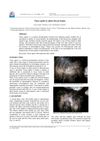
An adult Libyan woman was successfully treated for a rare scalp infection usually seen in children.

North American ginseng extract helped regrow hair in balding mice.
19 citations
,
May 2008 in “Applied spectroscopy” Human hair has different protein structures in its cuticle and cortex.
 6 citations
,
March 1998 in “Textile Research Journal”
6 citations
,
March 1998 in “Textile Research Journal” Chemical treatments can change the scale heights of wool and cashmere fibers, affecting their identification.
 January 2009 in “Nihon Keshouhin Gijutsushakaishi/Journal of S C C./Nihon Keshouhin Gijutsushakai kaishi”
 Curved human hair has different structures on each side, which might cause its shape and is similar to wool.
 15 citations
,
August 2015 in “Scanning”
15 citations
,
August 2015 in “Scanning” Corkscrew and cigarette-ash-shaped hairs in tinea capitis are caused by internal hair degradation and external resistance.
7 citations
,
February 1985 in “Textile Research Journal” Cellular debris sticks to damaged wool fibers and affects wool cleanliness.