8 citations
,
January 1989 in “PubMed” Minoxidil did not affect hair growth in newborn mice.
 18 citations
,
July 1975 in “Clinical Pharmacology & Therapeutics”
18 citations
,
July 1975 in “Clinical Pharmacology & Therapeutics” Oral minoxidil effectively controls blood pressure quickly and safely.
 22 citations
,
July 2006 in “Indian Journal of Pharmaceutical Sciences”
22 citations
,
July 2006 in “Indian Journal of Pharmaceutical Sciences” Minoxidil gels with higher concentrations are more stable and effective for treating hair loss.
 82 citations
,
March 1994 in “Archives of Dermatology”
82 citations
,
March 1994 in “Archives of Dermatology” 2% topical minoxidil effectively treats female hair loss with minimal side effects.
 2 citations
,
October 2020 in “Más dermatología”
2 citations
,
October 2020 in “Más dermatología” Choose between topical and oral minoxidil for hair growth based on personal tolerance and side effects.
 21 citations
,
January 2017 in “Skin Pharmacology and Physiology”
21 citations
,
January 2017 in “Skin Pharmacology and Physiology” Caffeine-based liquid 0.2% is as effective as minoxidil 5% for treating male hair loss.
17 citations
,
July 1988 in “International Journal of Dermatology” Men using minoxidil felt better about hair loss and self-esteem than those using a placebo.
 2 citations
,
April 2016 in “PubMed”
2 citations
,
April 2016 in “PubMed” Using Minoxidil 2% solution with a botanical hair solution twice daily can significantly improve hair growth and quality in women with Female Pattern Hair Loss, boosting self-confidence and attractiveness.
 January 2024 in “Expert Opinion on Pharmacotherapy”
 Low-dose oral minoxidil is effective and safe for treating hair loss in men and women.
 May 2026 in “Zenodo (CERN European Organization for Nuclear Research)”
 Minoxidil can help grow facial hair but isn't widely approved for everyone.
 April 2020 in “Dermatology and therapy”
 New 5% minoxidil solution improves scalp hydration, reduces redness, and may be safer for sensitive users.
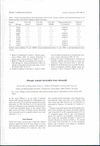 9 citations
,
January 1992 in “Contact Dermatitis”
9 citations
,
January 1992 in “Contact Dermatitis” Some people using minoxidil for hair loss developed an allergic skin reaction, often related to an ingredient that helps minoxidil work better.
15 citations
,
September 2021 in “Journal of Clinical Medicine” High-dose oral minoxidil in children can cause increased hair growth, especially on the face.
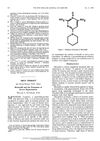 51 citations
,
October 1980 in “The New England Journal of Medicine”
51 citations
,
October 1980 in “The New England Journal of Medicine” Minoxidil lowers blood pressure effectively but may cause unwanted hair growth and other side effects.
 3 citations
,
May 2022 in “Journal of The American Academy of Dermatology”
3 citations
,
May 2022 in “Journal of The American Academy of Dermatology” The conclusion is that 24 weeks of low-dose oral minoxidil is safe for men with hair loss, with no significant changes in heart rate or blood pressure.
13 citations
,
March 1983 in “International Journal of Dermatology” Minoxidil caused red hair to grow on a man's temples.
 17 citations
,
March 1985 in “Journal of The American Academy of Dermatology”
17 citations
,
March 1985 in “Journal of The American Academy of Dermatology” Minoxidil can lower blood pressure in some people.
1 citations
,
July 2024 in “JAAD International” Low-dose oral minoxidil is effective for alopecia even with other medications.
June 2025 in “Journal of the American Academy of Dermatology”  8 citations
,
October 2018 in “Dermatologic Therapy”
8 citations
,
October 2018 in “Dermatologic Therapy” About 41% of Indian hair loss patients have low enzyme activity that affects hair loss treatment effectiveness, with men affected more than women. Testing for this can guide treatment.
 10 citations
,
April 2015 in “PubMed”
10 citations
,
April 2015 in “PubMed” Rosemary oil and minoxidil 2% both effectively increase hair count in people with androgenetic alopecia, but rosemary oil causes less scalp itching.
 April 2016 in “Journal of Investigative Dermatology”
  February 2018 in “Medicine - Programa De Formación Médica Continuada Acreditado”
 Minoxidil and finasteride are the main FDA-approved treatments for hair loss, with other methods showing promise but lacking strong evidence.
1 citations
,
March 1990 in “Clinical Drug Investigation” 2% topical minoxidil can help reduce hair loss and promote hair growth in male pattern baldness.
 December 2023 in “Annales Pharmaceutiques Françaises”
 The UV–Vis Spectrophotometry method effectively measures minoxidil in rat skin for alopecia treatment.
November 2025 in “Journal of Investigative Dermatology” Minoxidil helps hair growth by improving blood vessel function.
 December 2023 in “Toxicology communications”
 Minoxidil overdose caused severe low blood pressure, but the patient recovered with specific treatments.
 November 2013 in “Journal of Mazandaran University of Medical Sciences”
 Minoxidil with caffeine works better for hair loss than minoxidil alone.
3 citations
,
January 1988 in “The Nishinihon Journal of Dermatology” Minoxidil slows hair cell growth but doesn't change cell shape or development.