 January 2023 in “Indian dermatology online journal”
 Leukemia can sometimes appear as unusual skin issues in children.
 September 2023 in “Cureus”
 Early recognition and treatment of atypical alopecia areata in infants are crucial.
February 2025 in “Pediatric Dermatology” 
A rapid screening method using trichoscopy and clinical data can improve diagnosis and treatment of tinea capitis.
 November 2023 in “Cermin Dunia Kedokteran”
 Tinea capitis can affect mental health, but treatment improves both health and well-being.
January 2018 in “Acta dermato-venereologica”  November 2018 in “International Journal of Research in Dermatology”
 Teaching kids about hygiene can reduce scalp infections.
 17 citations
,
January 2009 in “Nippon Ishinkin Gakkai Zasshi”
17 citations
,
January 2009 in “Nippon Ishinkin Gakkai Zasshi” A 10-year-old boy recovered from a scalp infection caused by a fungus after treatment with itraconazole.
 April 2019 in “Journal of Medical Science And clinical Research”
 The grey patch variant of tinea capitis is most common, mainly spread through family and animals.
 March 2022 in “Berkala Ilmu Kesehatan Kulit dan Kelamin/Berkala ilmu kesehatan kulit dan kelamin (Periodical of dermatology and venerology)”
 Touching cats can increase the risk of getting a fungal scalp infection, especially in boys and kids over 5.
 7 citations
,
July 2003 in “Clinics in Dermatology”
7 citations
,
July 2003 in “Clinics in Dermatology” The article helps identify common, non-harmful skin conditions in newborns to avoid undue concern and treatment.
37 citations
,
October 2010 in “JDDG Journal der Deutschen Dermatologischen Gesellschaft” Griseofulvin is the best treatment for tinea capitis in children, but more research is needed on other treatments and safety.
 1 citations
,
December 2007 in “Drug and therapeutics bulletin”
1 citations
,
December 2007 in “Drug and therapeutics bulletin” New treatments for children's scalp ringworm are recommended based on recent data.
 February 2024 in “Infection and drug resistance”
 Tinea capitis in a child was caused by a fungus from cats, highlighting the need for accurate diagnosis and treatment.
 24 citations
,
March 1998 in “Mycoses”
24 citations
,
March 1998 in “Mycoses” Early diagnosis and effective treatment of kerion Celsi prevent scarring and permanent hair loss.
April 2023 in “The Medical Journal of Australia” A five-year-old girl has a harmless, unchanging bald patch on her scalp.
 February 2023 in “Cosmoderma”
 An infant with complete hair loss was diagnosed with a genetic disorder affecting hair growth.
1 citations
,
January 2019 in “Dermatology Online Journal” A rare skin condition appeared on a 19-year-old woman's scalp.
 1 citations
,
March 2022 in “Berkala Ilmu Kesehatan Kulit dan Kelamin/Berkala ilmu kesehatan kulit dan kelamin (Periodical of dermatology and venerology)”
1 citations
,
March 2022 in “Berkala Ilmu Kesehatan Kulit dan Kelamin/Berkala ilmu kesehatan kulit dan kelamin (Periodical of dermatology and venerology)” Trichoscopy helps diagnose and monitor the treatment of fungal scalp infections in children.
January 2007 in “Journal of the American Academy of Dermatology” Tinea can cause scarring alopecia in children, and fungal culture is crucial for diagnosis.
16 citations
,
March 1991 in “International Journal of Dermatology” Tinea capitis is rare in healthy adults but should be considered in scalp issues.
13 citations
,
December 2012 in “Medical mycology case reports” Misdiagnosis led to permanent hair loss, stressing the need for proper scalp tests.
July 2024 in “Journal Archives of Health” Adults can get scalp fungal infections, needing quick treatment to prevent spread and hair loss.
52 citations
,
April 2000 in “International Journal of Dermatology” Tinea capitis in Benghazi mainly affects children under 10, with Trichophyton violaceum as the leading cause.
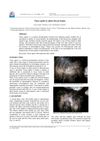
An adult Libyan woman was successfully treated for a rare scalp infection usually seen in children.
 January 2019 in “Open access journal of mycology & mycological sciences”
 The article concludes that proper antifungal treatment is essential for treating scalp fungal infections in children, and trichoscopy is useful for diagnosis and monitoring.
March 2004 in “Journal of the American Academy of Dermatology” A rare fungal infection caused hair loss in a North American infant.
July 2000 in “The Pediatric Infectious Disease Journal” Tinea faciei should be considered in neonatal vesicular lesions and confirmed with KOH examination and culture.
5 citations
,
February 2013 in “PubMed” An 11-year-old girl's hair loss was caused by a Cladosporium fungal infection, which was cured with itraconazole treatment.
 6 citations
,
August 1991 in “Pediatric Clinics of North America”
6 citations
,
August 1991 in “Pediatric Clinics of North America” The document concludes that various hair and scalp disorders in children have specific treatments and proper diagnosis is essential.