 December 2025 in “npj Systems Biology and Applications”
 Cold temperatures can stop human cell circadian rhythms, but warming restores them.
4 citations
,
July 2025 in “Frontiers in Pharmacology” Cooling with antioxidants helps protect hair during chemotherapy.
 5 citations
,
November 2002 in “Aesthetic Plastic Surgery”
5 citations
,
November 2002 in “Aesthetic Plastic Surgery” Storing hair follicles at -20°C keeps them good for up to 15 days, which may help with hair transplants.
The treatment showed promising hair regrowth in advanced-stage hair loss.
Liquid nitrogen cryotherapy effectively promotes hair regrowth in alopecia areata.
11 citations
,
October 2020 in “PLoS ONE” Cooling can protect hair follicles from chemotherapy damage by reducing drug uptake.
 15 citations
,
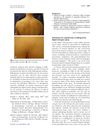
October 2006 in “Journal of the American Academy of Dermatology”
15 citations
,
October 2006 in “Journal of the American Academy of Dermatology” Liquid nitrogen spray caused a temporary, harmless swelling under the skin in an elderly woman.

Human hair keratins can be turned into useful 3D biomedical scaffolds through a freeze-thaw process.
4 citations
,
January 2016 in “Advances in experimental medicine and biology” Freezing and storing special stem cells from hair follicles keeps their ability to grow hair and turn into different cell types.
January 2019 in “Dermatologic Surgery” Cryolipolysis can cause unexpected pain in some patients.
 April 2023 in “Journal of Investigative Dermatology”
 Keeping human skin stem cells is easier with low temperatures and mTOR inhibition.
5 citations
,
June 2024 in “Regenerative Therapy” Storing PRP at -80 °C keeps growth factors stable for at least 6 months.
9 citations
,
November 2024 in “Journal of Wound Management Official journal of the European Wound Management Association” Cold Plasma shows promise for healing wounds by killing bacteria and helping tissue grow.
 1 citations
,
August 2024 in “Journal of Dermatological Science”
1 citations
,
August 2024 in “Journal of Dermatological Science” Cold shock therapy may help hair grow by increasing certain proteins.
18 citations
,
April 1989 in “Clinics in Dermatology” The argon gas-based cryotherapy effectively reduced keloid scars but caused some hypopigmentation and had a recurrence rate, especially in Afro-American patients.
January 2025 in “SSRN Electronic Journal” 52 citations
,
November 2013 in “Journal of Pain and Symptom Management” Cryotherapy helps reduce chemotherapy side effects but needs more research for best use.
 May 2021 in “Journal of Dermatology and Cosmetic”
 Low-power lasers can prevent hair death and increase hair growth in wounds caused by freezing in rats.
 31 citations
,
September 1999 in “Dermatologic Surgery”
31 citations
,
September 1999 in “Dermatologic Surgery” Cooling hair micrografts during transplantation does not improve their survival or growth.
 April 2026 in “Preprints.org”
 Cold Atmospheric Plasma shows promise in treating aggressive breast cancer by targeting cancer cells while sparing normal tissue.
 November 2024 in “Journal of the European Academy of Dermatology and Venereology”
 Cryotherapy with precise temperature control is a promising treatment for alopecia areata.
 January 2021 in “Mastology”
 Scalp cooling therapy helped over 80% of women keep at least half their hair during chemotherapy.
 November 2018 in “Annals of oncology”
 A scalp-cooling system effectively prevents hair loss in breast cancer patients treated with eribulin.
March 2025 in “Tissue and Cell” Frozen-thawed fibroblast sheets enhance wound healing and hair growth in mice.
5 citations
,
September 2024 in “Journal of Clinical Medicine” Scalp cooling effectively reduces hair loss in breast cancer patients undergoing chemotherapy.
3 citations
,
March 1956 in “PubMed” Surgical skin planing is safe and effective for treating acne scars using a freezing agent that avoids safety risks.
 62 citations
,
February 2011 in “Expert review of dermatology”
62 citations
,
February 2011 in “Expert review of dermatology” Scalp cooling can reduce chemotherapy-induced hair loss and should be available in all hospitals.
67 citations
,
September 2017 in “Cell Reports” Caloric restriction improves skin and fur structure but can cause muscle loss and movement issues.
13 citations
,
January 2020 in “Annals of Oncology” Cryotherapy and compression therapy might help prevent chemotherapy nerve damage, but more research is needed.
 29 citations
,
September 2020 in “International Journal of Molecular Sciences”
29 citations
,
September 2020 in “International Journal of Molecular Sciences” The document concludes that freeze-dried platelet-rich plasma shows promise for medical use but requires standardization and further research.