Search
for
Sort by
Research
150-180 / 1000+ results
research Laser Resurfacing
Newer skin resurfacing lasers reduce damage and scarring, with some approved for safe use and minimal side effects.
research Chemical lumbar sympathectomy in the treatment of idiopathic livedo reticularis
Chemical lumbar sympathectomy is an effective and safe treatment for idiopathic livedo reticularis.
research Targeted two-photon chemical apoptotic ablation of defined cell types in vivo
A new laser technique can precisely remove specific cell types in living animals without harming nearby cells.
research effects Of Low-level Laser Therapy (lllt) On Dermal Papilla Cell Proliferation And Insulin-like Growth Factor-1 (igf-1) Secretion From Balding Hair Follicles : #lb12
research Achieving Sustained Hair Repigmentation in Poliosis Circumscripta: Retreatment Outcomes Using Exosomes and Fractional Picosecond Laser
Exosomes and laser therapy can help regrow and repigment hair.
research Therapeutic Efficacy of Liquid Nitrogen Cryotherapy for Treatment of Alopecia Areata
Liquid nitrogen cryotherapy is an effective treatment for alopecia areata.
research The Effect of Local Skin Precooling on Alleviating Injection Site Pain in Patients With Androgenetic Alopecia Receiving a Scalp Nerve Block
Cooling the skin before injections reduces pain for patients with hair loss.

research NEW DIRECTIONS IN SURGICAL THERAPY
Surgical skin treatments improved with new methods like laser resurfacing, combined techniques, and better hair and fat removal options.
research Low-power laser use in the treatment of alopecia and crural ulcers
Low-power laser therapy is an effective, side-effect-free treatment that speeds up hair regrowth and crural ulcer healing.
research Photodepilation
Lasers and light treatments are now the most common ways to remove hair.
research Nanofat in Plastic Reconstructive, Regenerative, and Aesthetic Surgery: A Review of Advancements in Face-Focused Applications
Nanofat shows promise for facial rejuvenation and treating skin issues but needs more research for long-term safety.
research Depigmentation Treatment for Vitiligo
Cryotherapy is the best depigmentation method for vitiligo but needs an expert to perform it.
research Effect of the Hypoxic Chamber Training Series on Skin Characteristics of Overweight and Obese Women
Hypoxic training didn't change skin features, but skin barrier function is linked to blood lipid levels.
research Sinapic Acid Promotes Browning of 3T3‐L1 Adipocytes via p38 MAPK/CREB Pathway
Sinapic acid may help fight obesity and promote hair growth.
research Use of Low Level Laser in Cosmetic Dermatology
Low level laser therapy is effective and safe for various skin and hair conditions.
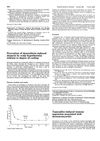
research Prevention of doxorubicin-induced alopedia by scalp hypothermia: relation to degree of cooling.
Cooling the scalp below 22°C before and during chemotherapy can help prevent hair loss.
research Long-term reduction of C-reactive protein by LDL apheresis
LDL apheresis lowers inflammation and cardiovascular risk by reducing CRP levels long-term.
research Berardinelli–Seip syndrome
Early diagnosis and treatment are crucial for managing Berardinelli–Seip syndrome.
research GLP-1 e Estética: Ozempic Face, Flacidez e Recuperação
GLP-1 medications can cause skin and muscle issues, but treatments like ultrasound and PRP can help.
research 752 Diet and the dermal white adipose tissue: Analyzing shifts in the cutaneous lipid landscape in response to dietary change
Different diets change the fat composition in mouse skin, often reducing beneficial omega-3 fatty acids.
research Objective evaluation of photoepilation by phototrichogram
Photoepilation significantly reduces hair, and phototrichograms can objectively measure its effectiveness.
research Proteolytic Enzymes Papain and Chymotrypsin Combined with Laser Techniques for the Management of Facial Hirsutism
Combining enzymes papain and chymotrypsin with laser treatment reduces facial hair more effectively than laser alone.
research The removal of unwanted hair using a ruby laser
Ruby laser hair removal significantly reduces hair density.
research ELECTROLYSIS VERSUS HIGH FREQUENCY CURRENTS IN THE TREATMENT OF HYPERTRICHOSIS
Electrolysis is better for permanent hair removal with less scarring.
research New Insight for Enhanced Topical Targeting of Caffeine for Effective Cellulite Treatment: In Vitro Characterization, Permeation Studies, and Histological Evaluation in Rats
CA-SLN-Ngel significantly reduces cellulite more effectively than regular caffeine gel.
research Formulation and characterisation of resveratrol-loaded nanostructured lipid carriers for use in combination with scalp cooling therapy to mitigate chemotherapy-induced follicular cytotoxicity and hair loss
Resveratrol-loaded carriers may help reduce hair loss from chemotherapy when used with scalp cooling.
research Commentary
The Epilight Hair Removal System is effective for temporary hair removal with few side effects, but more research is needed to confirm its safety and long-term results.
research Electrolysis: Observations from 13 years and 140,000 hours of experience
Electrolysis is effective for permanent hair removal, but technique is key to avoid scarring, and sometimes hormonal treatment is needed for women with hirsutism.
research Hair removal in hirsute women with normal testosterone levels: a randomized controlled trial of long-pulsed diode laser vs. intense pulsed light
Both intense pulsed light and long-pulsed diode laser effectively reduced facial hair in women, with no significant difference in satisfaction after 6 months, but intense pulsed light was more painful.