 5 citations
,
November 2012 in “Actas Dermo-Sifiliográficas”
5 citations
,
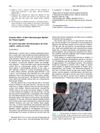
November 2012 in “Actas Dermo-Sifiliográficas” Comma hairs are a new sign for identifying scalp fungal infections.

Social hair plucking in rhesus macaques is an abnormal behavior with both social and aggressive traits and health impacts.

Social hair plucking in rhesus macaques is an abnormal behavior with both social and aggressive traits and health impacts.
 September 2025 in “Frontiers in Genetics”
 The method effectively extracts high-quality DNA from marmoset hair, avoiding blood chimerism.
 1 citations
,
December 2022 in “International Journal of Science for Global Sustainability”
1 citations
,
December 2022 in “International Journal of Science for Global Sustainability” Mitrocarpus hirtus leaf extracts may help fight scalp ringworm.
1 citations
,
January 2022 in “Annals of Dermatology” A new mutation in the MBTPS2 gene causes a mild form of IFAP syndrome.
 September 2024 in “Journal of Parasite Science”
 Dermatophytosis in cats was most common in young, male Persian cats, with symptoms like hair loss and crusts.
1 citations
,
January 2022 in “Skin appendage disorders” DCPA is a chronic skin condition affecting the legs, often misdiagnosed, and needs more research for better understanding and treatment.
27 citations
,
December 2006 in “Environmental Science & Technology” LA-ICP-MS can effectively track mercury exposure over time in hair.
7 citations
,
August 2006 in “Maturitas” Cimicifuga racemosa extract may help prevent and treat prostate issues by inhibiting 5α-reductase.
7 citations
,
January 1997 in “International Biodeterioration & Biodegradation” Microsporum canis breaks down animal hair fastest in sheep and foxes, slowest in humans.
 1 citations
,
April 2024 in “Science Advances”
1 citations
,
April 2024 in “Science Advances” Female cuckoo color differences are linked to their unique genes and help avoid male harassment.

A Moroccan athlete got a rare scalp infection, stressing the need for better hygiene in sports.
September 2025 in “OPAL (Open@LaTrobe) (La Trobe University)” Researchers created an efficient method to extract DNA from marmoset hair, reducing blood chimerism.
1 citations
,
July 2024 in “Indian Journal of Sexually Transmitted Diseases and AIDS” Syphilitic alopecia can be effectively diagnosed and treated, leading to hair regrowth.
March 2024 in “Journal of Animal Reproduciton and Biotechnology” A rare fetal malformation caused difficult birth in a goat, requiring surgery.
15 citations
,
July 2009 in “Biomedical Chromatography” A reliable method was developed to measure aristolochic acid-I in rat blood.
January 2025 in “Arquivo Brasileiro de Medicina Veterinária e Zootecnia” Agoutis in captivity have more resting (telogen) hairs than growing (anagen) hairs, regardless of season or gender.
September 2025 in “Animals” Accurate diagnosis and effective treatment are crucial to manage and prevent the spread of skin fungal infections in animals.
 1 citations
,
December 2023 in “Indian Dermatology Online Journal”
1 citations
,
December 2023 in “Indian Dermatology Online Journal” Steatocystoma multiplex causes recurring skin cysts and needs early recognition for better management.
March 2023 in “Italian journal of dermatology and venereology”  August 2024 in “Indian Journal of Entomology”
 Rabbits with mange recovered after ivermectin treatment.
8 citations
,
May 2008 in “Applied surface science” Mummy hair from the Taklamakan desert has calcium and phosphorus inside.
January 2015 in “Chinese Veterinary Science” Recognizing ultrastructures of cashmere goat hair follicles helps identify and locate follicle layers.
2 citations
,
July 2013 in “Journal of Animal Physiology and Animal Nutrition” Shorthaired and hairless cat breeds excrete more felinine than longhaired breeds.
 April 2024 in “Journal of wildlife diseases”
 Muskox hair growth rates vary widely, so a single growth rate can't be used for all populations.
5 citations
,
August 2023 in “G3 Genes Genomes Genetics” The improved genome of the African spiny mouse will help understand its tissue regeneration abilities.
December 2025 in “International Journal of Advanced Biochemistry Research” Malvi cattle hair varies in color and pattern across different body regions.
 July 2023 in “Veterinary pathology”
 White-tailed deer can get a hair loss condition that might make them more vulnerable to environmental threats.
November 2025 in “Archaeometry” Animal hair from 18th-century Mazamet burial sites shows locals used goat, badger, cow, or horse fur for clothing, indicating modest economic status.