2 citations
,
January 2017 in “Ciência Rural” A capuchin monkey with a skin infection was successfully treated with itraconazole.
 3 citations
,
January 2019 in “Bulgarian Journal of Veterinary Medicine”
3 citations
,
January 2019 in “Bulgarian Journal of Veterinary Medicine” The cat was put to sleep due to recurring infections.
September 2025 in “Jurnal Penelitian Pendidikan IPA” Two genetic variations in Moa buffalo help them adapt to heat.
5 citations
,
January 2000 Pododermatitis in farmed mink is likely caused by an unknown infectious agent with secondary bacterial infection.
December 2022 in “Laboratory Animal Research” Trichoblastomas in aged house musk shrews show unique features and may involve serum amyloid A in inflammation.
1 citations
,
October 2023 in “Pharmaceuticals” Sulfated polysaccharides from Microcosmus exasperatus may help treat cancer without causing blood thinning.
 1 citations
,
September 2019 in “BMC veterinary research”
1 citations
,
September 2019 in “BMC veterinary research” Malarone® caused pancreatitis and hair loss in a dog for the first time.
4 citations
,
January 2022 in “Actas Dermo-Sifiliográficas” Increased tinea capitis cases in Northwestern Spain may be linked to African immigration.
17 citations
,
November 1967 in “American Journal of Anatomy” Hairless mice have longer hair follicles and abnormal structures during the catagen phase.
 June 2023 in “Deleted Journal”
 Healthy dogs and cats can carry and spread skin infections without showing symptoms.
January 2000 in “Hair and its disorders: biology, pathology and management, 2000, ISBN 1853177997, págs. 137-152”  January 2024 in “International Journal of Veterinary Sciences and Animal Husbandry”
 The Pomeranian dog fully recovered from mange after 35 days of treatment.
 3 citations
,
July 2014 in “QJM”
3 citations
,
July 2014 in “QJM” A 35-year-old man had patchy hair loss that was actually due to syphilis, not alopecia areata.
 1 citations
,
December 2017 in “Research for Rural Development/Research for Rural Development (Online)”
1 citations
,
December 2017 in “Research for Rural Development/Research for Rural Development (Online)” Neutered ferrets often develop hyperadrenocorticism, with symptoms like hair loss and lethargy, and androstenedione is a key indicator for diagnosis.
20 citations
,
November 1989 in “PubMed” Accurate fungal identification is crucial for proper treatment in immunocompromised patients.
9 citations
,
June 2011 in “American Journal of Dermatopathology” Molluscum contagiosum can occur in epidermoid cysts, especially with prolonged steroid use.
 86 citations
,
January 2019 in “Frontiers in Immunology”
86 citations
,
January 2019 in “Frontiers in Immunology” The document concludes that diagnosing and treating Human African Trypanosomiasis is challenging, but new treatments like fexinidazole are promising.
 1 citations
,
December 2022 in “BMC Plant Biology”
1 citations
,
December 2022 in “BMC Plant Biology” The black orchid Brasiliorchis schunkeana produces chemicals that attract certain insects and have potential antimicrobial properties.
15 citations
,
July 2015 in “Journal of exotic pet medicine” Humans, especially vulnerable groups, can catch skin infections from small mammals.
 March 2021 in “Mansoura Veterinary Medical Journal /Mansoura Veterinary Medical Journal”
 Ringworm is a common, contagious fungal infection in dogs that can spread to humans and requires lengthy treatment.
 28 citations
,
January 2022 in “PLoS ONE”
28 citations
,
January 2022 in “PLoS ONE” Sarcoptic mange nearly wiped out vicuñas and guanacos in an Argentine park.
 35 citations
,
November 1996 in “Journal of the American Academy of Dermatology”
35 citations
,
November 1996 in “Journal of the American Academy of Dermatology” Itraconazole was effective in treating unusual M. canis infections in only one of two HIV-infected men.
 January 2015 in “Scientific Works. Series C, Veterinary Medicine”
 Canine demodicosis diagnosis is complex due to varied symptoms and atypical presentations.
 July 2023 in “Institutional Repositories DataBase (IRDB)”
 Malassezia species may contribute to hair loss in AGA patients.
 108 citations
,
March 2011 in “Archives of Dermatology”
108 citations
,
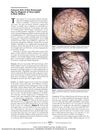
March 2011 in “Archives of Dermatology” Corkscrew hair may be a new sign for quickly diagnosing scalp fungus in black children.
 4 citations
,
March 2021 in “Parasitology Research”
4 citations
,
March 2021 in “Parasitology Research” Besnoitiosis, a parasitic disease, has been found in donkeys in Italy and may be more common in Europe than previously thought.
 December 2023 in “International Journal of Medical Sciences And Clinical Research”
 Dermoscopy is a useful tool for diagnosing female pattern hair loss.
 2 citations
,
May 2012 in “Acta pharmaceutica sinica B”
2 citations
,
May 2012 in “Acta pharmaceutica sinica B” The study found unique microscopic features for hair or feather in five animal ingredients in Shenrongbian pill.
July 2023 in “Indian Journal of Sexually Transmitted Diseases and AIDS” "Moth-eaten alopecia" can be a sign of secondary syphilis, treatable with penicillin.