1 citations
,
December 2019 in “Frontiers in endocrinology” Higher androgen levels during puberty are linked to shorter adult height in boys with Silver-Russell syndrome.
 August 2024 in “Biomedical Journal of Scientific & Technical Research”
 Jute leaves may help reduce DHT levels, potentially aiding in conditions like hair loss and prostate issues.
3 citations
,
January 2021 in “touchREVIEWS in Endocrinology” Surgery removed an ovarian tumor, improving her symptoms and normalizing testosterone levels.
 June 2020 in “Journal of genetic medicine”
 The document's conclusion cannot be provided because the document is not accessible or understandable.
2 citations
,
May 2011 in “International Journal of Dermatology” A 12-year-old boy in rural south India had a rare skin condition causing hair loss and inability to sweat.
 April 2020 in “Journal of the Endocrine Society”
 A rare ovarian tumor that produced testosterone caused a blood clot in the lungs and increased red blood cells in a woman.
7 citations
,
January 1976 in “International Journal of Environmental Studies” Cholesterol may slow cell division and contribute to male pattern baldness.
5 citations
,
October 2003 in “PubMed” Hormonal therapy is essential in late-diagnosed Kallmann's syndrome to prevent bone issues.
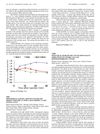 April 2010 in “The Journal of Urology”
 Human prostate cells produce more WISP1/CCN4 when there's not enough oxygen.
 July 2017 in “Contemporary Endocrinology”
 The document concludes that patient outcomes for Congenital Adrenal Hyperplasia are often not ideal because of poor management and a need for better diagnosis and treatment methods.
 December 2021 in “Aegean journal of obstetrics and gynecology”
 A woman's male-like physical changes were caused by two rare ovarian conditions.
 46 citations
,
August 2022 in “Journal of Endocrinological Investigation”
46 citations
,
August 2022 in “Journal of Endocrinological Investigation” COVID-19 temporarily affects male reproductive health, but sperm and testosterone levels generally return to normal after three months.
2 citations
,
September 2024 in “Asian Journal of Andrology” New SRD5A2 variants may disrupt protein function, aiding diagnosis and treatment of related disorders.
3 citations
,
March 1992 in “Journal of clinical pathology” Most women with excess hair growth need only a clinical evaluation and minimal tests unless they show signs of virilism.
November 2024 in “Revista de Investigación y Educación en Ciencias de la Salud (RIECS)” A 7-year-old girl developed early pubic hair growth without other puberty signs, diagnosed as isolated premature pubarche.
 November 2023 in “Scientific reports”
 The research identified and described a gene important for hormone conversion in endangered catfish, which varies in activity during different reproductive stages and after hormone treatment.
20 citations
,
March 2022 in “Journal of clinical medicine” Nearly half of the studied men with long COVID had low testosterone, including younger men.
16 citations
,
February 2014 in “Iranian Red Crescent Medical Journal” Polycystic Ovary Syndrome (PCOS) affects Iranian women's feelings of femininity and self-image.
 6 citations
,
February 2013 in “Medical Oncology”
6 citations
,
February 2013 in “Medical Oncology” Certain genetic variants increase the risk of resistance to hormone therapy in prostate cancer patients.
5 citations
,
January 2002 in “European journal of pediatrics” "D-CHRAMPS syndrome" is a newly identified condition with multiple severe symptoms.
July 2025 in “Journal of Investigative Dermatology” Androgens reduce THY1 in skin cells, leading to less fat, more fibrosis, and worse healing in males.
February 2026 in “The Laryngoscope” Airway issues can occur in Conradi–Hünermann–Happle syndrome and can be managed with minimally invasive procedures.
 75 citations
,
January 1995 in “American journal of primatology”
75 citations
,
January 1995 in “American journal of primatology” Vervet monkeys show physical changes like hair loss and scrotal color changes due to stress or nutrition issues.
 4 citations
,
December 2022 in “Frontiers in Endocrinology”
4 citations
,
December 2022 in “Frontiers in Endocrinology” Treating non-classic congenital adrenal hyperplasia is complex because the benefits of hormone treatment must be weighed against potential health risks.
April 2019 in “Journal of the Endocrine Society” A 12-year-old boy with PAIS successfully developed male characteristics using high-dose testosterone and anastrozole.
January 2026 in “Surgical & Cosmetic Dermatology” February 2015 in “Oxford University Press eBooks”