2 citations
,
January 2012 in “STARS (University of Central Florida)” Analyzing isotopes from different tissues can effectively reveal detailed life histories of individuals.
Trichoscopic examination is crucial for diagnosing congenital triangular alopecia.
3 citations
,
January 1988 January 2007 in “Chinese Journal of Pharmaceuticals” The study successfully identified the structure of finasteride.
 43 citations
,
September 2014 in “Molecular Plant”
43 citations
,
September 2014 in “Molecular Plant” CLE40 and CRN/CLV2 pathways have opposite effects on root growth in Arabidopsis.
 14 citations
,
July 2001 in “American Journal of Human Genetics”
14 citations
,
July 2001 in “American Journal of Human Genetics” Haplogroup X found in Altaian population supports Amerindian origin.
6 citations
,
October 2009 in “Veterinary Dermatology” Canine claws have complex structures with different keratin types, similar to hair and nails.
 1 citations
,
August 2023 in “Genome research”
1 citations
,
August 2023 in “Genome research” The spiny mouse regenerates ear tissue asymmetrically, with gene expression differences possibly explaining its unique healing abilities.
 August 2024 in “Biophysics Reviews”
 Mammal hairs have different internal structures.

The treatment showed promising results in improving advanced-stage hair loss.
2 citations
,
January 2010 27 citations
,
January 1983 in “Journal of the American Academy of Dermatology” A new method helps identify and classify different types of hair casts.
135 citations
,
October 1997 in “Journal of biological chemistry/The Journal of biological chemistry” Trichohyalin is modified by enzymes to form strong structures in hair cells.
69 citations
,
January 2009 in “Advances in Materials Science and Engineering” Wool keratin is reactive, biocompatible, biodegradable, and can model keratin from other sources.
 March 2026 in “JOURNAL OF CLINICAL AND DIAGNOSTIC RESEARCH”
 Recognizing unusual patterns of hair loss helps dermatologists diagnose and manage Alopecia Areata better.
 36 citations
,
January 2007 in “Archives of Histology and Cytology”
36 citations
,
January 2007 in “Archives of Histology and Cytology” Type IV collagen chains vary in different parts of human skin, with specific patterns linked to melanocytes.
29 citations
,
June 2016 in “Experimental Dermatology” MCHR2 gene duplications may be linked to alopecia areata.
 February 2026 in “Dermatology Reports”
 Trichoscopy helps diagnose and treat dissecting cellulitis early, preventing scarring.
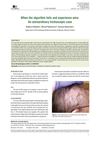 January 2026 in “Forum Dermatologicum”
 Thorough hair examination is crucial for accurate diagnosis and treatment.
67 citations
,
May 2013 in “Therapeutic drug monitoring” Wait 4-5 weeks after drug use before hair testing and cut hair into three segments to confirm single drug exposure.
 2 citations
,
January 2023 in “Bioresource Technology Reports”
2 citations
,
January 2023 in “Bioresource Technology Reports” Enzymes can release hydrocarbons from Botryococcus braunii without harming cells, suggesting potential for continuous extraction.
January 2013 in “Wageningen Academic Publishers eBooks” Proteomics helps understand protein changes in wool fiber development.
 4 citations
,
January 2010 in “Journal of Veterinary Medical Science”
4 citations
,
January 2010 in “Journal of Veterinary Medical Science” The analyses helped identify different skin diseases in the two dogs.
30 citations
,
November 2012 in “Proceedings of the Royal Society B Biological Sciences” Hard α-keratins stay stiff in water because the surrounding matrix keeps them dehydrated and strong.
7 citations
,
April 2022 in “Journal of pharmaceutical and biomedical analysis” The method can measure multiple steroids in human hair to study long-term steroid metabolism, especially in newborns and children.

The research found that people's hair proteins vary by individual and body part, with some differences between ethnic groups, which could help in forensics.
April 2019 in “Faculty Opinions – Post-Publication Peer Review of the Biomedical Literature” PCOS shares similar genetic traits across different diagnosis criteria and is linked to other health conditions.
 10 citations
,
January 2012 in “Journal of biomedical optics”
10 citations
,
January 2012 in “Journal of biomedical optics” Melanin density affects hair color, and this method can help in cosmetic assessments and diagnosing hair diseases.
3 citations
,
July 1990 in “PubMed” Human hair follicles can grow and form structures in a collagen gel, useful for studying hair cell growth.
2 citations
,
January 2000 in “Quaternary Science Reviews”