4 citations
,
March 2024 in “Journal of the American Academy of Dermatology” Scalp cooling therapy is costly and often not covered by insurance, limiting access for low-income patients.
October 2017 in “The American Journal of Gastroenterology” Early diagnosis and nutritional support are crucial for managing Cronkhite-Canada Syndrome.
 October 2023 in “Journal of dermatological science”
 New mutations in MBTPS2 reduce its function and cause IFAP syndrome with unusual symptoms.
December 2025 in “Saudi Journal of Medicine and Public Health” Pharmacists are key in choosing and guiding the safe use of topical corticosteroids for skin conditions.
 January 2026 in “Dermatology Online Journal”
 CCCA can appear as patchy hair loss in younger men, not just the usual pattern.
 108 citations
,
March 2011 in “Archives of Dermatology”
108 citations
,
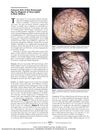
March 2011 in “Archives of Dermatology” Corkscrew hair may be a new sign for quickly diagnosing scalp fungus in black children.
 June 2019 in “Journal of Aesthetic Nursing”
 The author now supports the JCCP's efforts to improve non-surgical aesthetic practices after initial skepticism.
6 citations
,
April 2012 in “PubMed” Enteral supplements can improve symptoms of Cronkhite-Canada syndrome.
July 2024 in “Journal of Investigative Dermatology” CRISPR/Cas9 and prime editing can potentially fix skin disorder genes safely and effectively.
 37 citations
,
August 2016 in “Clinical, Cosmetic and Investigational Dermatology”
37 citations
,
August 2016 in “Clinical, Cosmetic and Investigational Dermatology” The document concludes that better treatments for CCCA are needed and more research is required to understand its causes related to hairstyling and genetics.
January 2018 in “VCU Scholars Compass (Virginia Commonwealth University)” Desmosomes are crucial for skin and heart development, and JNK may help regulate them.
October 2025 in “Physiologia” Spermidine may improve skin health and hair growth by enhancing cell function.
September 2019 in “Journal of Investigative Dermatology” CCCA in women of African ancestry may be caused by PADI3 gene mutations and intense hair grooming.
June 2019 in “International journal of dermatology and venereology” The Hedgehog Signaling Pathway is important for skin and hair development and skin cancer treatment, but more research is needed to understand it fully.
 December 2022 in “Skin Pharmacology and Physiology”
 Special scalp and hair examination techniques can identify hair problems.
2 citations
,
January 2014 in “Case Reports in Clinical Medicine” Cronkhite-Canada syndrome is a rare condition causing gut polyps, hair loss, skin changes, and nail issues, often with a poor outlook.
 January 2005 in “Seibutsu Butsuri/Seibutsu butsuri”
 Chemical treatments damage hair more than UV exposure, making it thinner and less flexible.
 August 2019 in “Journal of Investigative Dermatology”
 Frog skin cells need the protein desmoplakin for proper development and cell layer formation.
August 2023 in “Journal of the American Academy of Dermatology” CCCA affects Black men too, with a genetic link found in the PADI3 gene.
February 2025 in “Zenodo (CERN European Organization for Nuclear Research)” Proper training and scientific knowledge are crucial for safe and effective chemical hair procedures.
March 2026 in “Journal of Investigative Dermatology” CCCA can occur in children and needs early diagnosis to prevent permanent hair loss.
December 2024 in “Clinical and Experimental Dermatology” Patients with central centrifugal cicatricial alopecia benefit from shared decision-making with their doctors.
 5 citations
,
February 2008 in “Experimental Dermatology”
5 citations
,
February 2008 in “Experimental Dermatology” Cyclosporin A promotes hair growth in mice and increases a protein linked to hair growth, but it may not work the same way in humans.
26 citations
,
April 1996 in “Journal of Investigative Dermatology” February 2023 in “Default Digital Object Group” June 2020 in “Journal of Investigative Dermatology” Hair shaft malformation contributes to Central Centrifugal Cicatricial Alopecia.
 18 citations
,
January 2008 in “Sen'i Gakkaishi”
18 citations
,
January 2008 in “Sen'i Gakkaishi” Thioglycolic acid and L-cysteine change hair structure differently during perms, affecting hair strength and curling efficiency.
July 2025 in “Journal of Investigative Dermatology” Complex basal cell carcinomas need personalized treatment due to unique genetic mutations.
December 2019 in “The American Journal of Gastroenterology” Small bowel lesions in Cronkhite-Canada syndrome persist despite steroid treatment.
 55 citations
,
November 2018 in “American journal of human genetics”
55 citations
,
November 2018 in “American journal of human genetics” Mutations in the LSS gene cause a rare type of hereditary hair loss.