 1 citations
,
November 1995 in “Postgraduate medical journal”
1 citations
,
November 1995 in “Postgraduate medical journal” A Saudi individual initially identified as a girl had a genetic disorder affecting gender development.
 June 2026 in “Romanian Journal of Medical Practice”
 Surgery resolved hormone imbalance and symptoms in a rare ovarian tumor case in an elderly woman.
 March 2026 in “American Journal of Clinical Dermatology”
 Ritlecitinib is effective and safe for long-term use in treating severe alopecia areata in people aged 12 and older.

Exosomes from fat-derived stem cells help repair large bone defects by attracting and enhancing bone marrow stem cells.
 January 2026 in “Dermatology and Therapy”
 Patients with alopecia areata on ritlecitinib responded well to tetanus and meningococcal vaccines.
 January 2026 in “International Journal of Research and Innovation in Applied Science”
 Recognizing specific markers is crucial for correctly diagnosing and treating rare multifocal MPTT in males.
 November 2025 in “Journal of Skin and Sexually Transmitted Diseases”
 Trichofolliculoma was found in a person with amniotic band syndrome for the first time.
 November 2025 in “SKIN The Journal of Cutaneous Medicine”
 Upadacitinib effectively treats severe alopecia areata and is safe.
 November 2025 in “SKIN The Journal of Cutaneous Medicine”
 Baricitinib works better in adolescents than adults for treating severe alopecia areata.
 October 2025 in “Dermatology and Therapy”
 Ritlecitinib is being tested for effectiveness and safety in treating severe alopecia areata.

New peptides can delay aging and improve cell function.
 August 2025 in “International Journal of Research in Ayurveda and Pharmacy”
 Leech therapy improved hair loss in a patient.
 August 2025 in “Endokrynologia Polska”
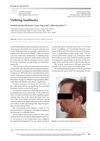
 A rare pancreatic tumor caused a woman's male-like features, treated successfully with surgery and medication.

The skin can still regenerate and function well even with fewer fibroblasts.
 July 2025 in “SKIN The Journal of Cutaneous Medicine”
 Ritlecitinib is generally safe for alopecia areata patients over 72 months.
 June 2025 in “Jurnal Mandala Pharmacon Indonesia”
 Etlingera alba extract may help treat breast cancer with fewer side effects.
 May 2025 in “Journal of the ASEAN Federation of Endocrine Societies”
 VHL disease can cause early paragangliomas, needing lifelong monitoring.
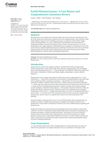
Eyelid pilomatrixomas are rare, benign tumors that need accurate diagnosis for proper treatment.
 March 2025 in “SKIN The Journal of Cutaneous Medicine”
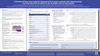
 Certain patient characteristics can help predict hair regrowth success with ritlecitinib in alopecia areata.
 January 2025 in “Annals of Thoracic and Cardiovascular Surgery”
 Removing the thymoma improved the patient's alopecia areata, suggesting a possible link between the two.
 January 2025 in “Pakistan Veterinary Journal”
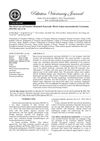
 A cat had a rare, aggressive pancreatic cancer that spread quickly and led to its death.
 October 2024 in “Journal of the Endocrine Society”
 Leydig cell tumors can cause high testosterone and symptoms like hair loss in postmenopausal women, but surgery can improve these symptoms.
 August 2024 in “JAMA Dermatology”
 Continuous baricitinib is needed to keep hair regrowth in severe alopecia areata.
 April 2024 in “Research Square (Research Square)”
 MSC-protein helps regenerate gum tissue and bone.
 April 2024 in “Dermatology and therapy”
 In Denmark from 1995 to 2016, hospital-treated alopecia areata cases increased, mostly affecting women and those over 50.
 March 2024 in “Research Square (Research Square)”
 The TT genotype of a specific SNP in sheep is linked to better wool quality.
 March 2024 in “Poster presentations”
 A woman with lupus and Kikuchi-Fujimoto disease improved with treatment.
 February 2024 in “bioRxiv (Cold Spring Harbor Laboratory)”
 Tandem repeats significantly influence hair color, especially darker shades, across different ancestries.
 February 2024 in “Curēus”
 Prompt diagnosis and treatment of hair tourniquet syndrome involving the uvula are crucial to prevent severe complications.
 January 2024 in “Journal of surgical case reports”
 Removing an adrenal tumor can significantly reduce high androgen levels in postmenopausal women.