Search
for
Sort by
Research
270-300 / 1000+ results
research Increased Expression of TSPEAR in Colorectal Cancer Predicts Poor Prognosis
High TSPEAR levels in colorectal cancer predict worse outcomes.

research Efficacy and Safety of Tofacitinib in Paediatric Alopecia Aerata - A Prospective Observational Study
Tofacitinib effectively promotes hair regrowth in children with alopecia areata, but more research on long-term safety is needed.
research Co-Drug Strategy for Promoting Skin Targeting and Minimizing the Transdermal Diffusion of Hydroquinone and Tranexamic Acid
HAC and BAC improve skin targeting and reduce diffusion without causing irritation.
research Enlarging alopecic patch in an African American woman with central centrifugal cicatricial alopecia: A case of concomitant tinea incognito
Accurate diagnosis is crucial for effective treatment of hair loss.

research Acne exacerbation after tofacitinib treatment for alopecia areata
Tofacitinib, a hair regrowth treatment, may worsen acne.
research 455 Molecular correlation with clinical outcomes in an open label clinical trial of oral tofacitinib in patients with alopecia areata
Tofacitinib helped most patients with alopecia areata regrow hair and changes in immune cells were linked to the treatment's effectiveness.
research BPS2026 – TMC1 and TMC2 are cholesterol-dependent scramblases that regulate membrane homeostasis in auditory hair cells
research CuATSM Enhances Wound Repair Without Scarring via Hippo/YAP Signalling Pathway to Reduce Ferroptosis and Macrophage Polarisation
CuATSM speeds up wound healing and reduces scarring.
research A HPLC-Based Chloramphenicol Acetyltransferase Assay for Assessing Hair Growth: Comparison of the Sensitivity of UV and Fluorescence Detection
The new method is 1000 times more sensitive for measuring hair growth.

research Tannic Acid Accelerates Cutaneous Wound Healing in Rats Via Activation of the ERK 1/2 Signaling Pathways
Tannic acid helps wounds heal faster in rats by activating certain cell signals and reducing inflammation.
research Delayed Cutaneous Wound Healing and Aberrant Expression of Hair Follicle Stem Cell Markers in Mice Selectively Lacking Ctip2 in Epidermis
Lack of Ctip2 in skin cells delays wound healing and disrupts hair follicle stem cell markers in mice.

research Iatrogenic Cushing’s syndrome post intralesional triamcinolone acetonide in Oral submucous fibrosis: 2 case reports
Two patients got Cushing's syndrome after treatment with Triamcinolone Acetonide for mouth fibrosis, but recovered after stopping the treatment.
research Tofacitinib citrate alleviates alopecia universalis symptoms in recent case study
Tofacitinib helped a person with total body hair loss grow hair again without bad side effects.
research Alopecia universalis successfully treated with tofacitinib
Tofacitinib helped a 19-year-old regrow hair after other treatments failed.

research Effectiveness and Safety Profile of Oral Tofacitinib in Alopecia Areata: An Observational Study from a Tertiary Hospital
Tofacitinib shows promise for treating alopecia areata with significant hair regrowth and mild side effects.

research Therapeutic potential of oral tofacitinib in alopecia areata: a retrospective study
Tofacitinib is a promising and safe treatment for moderate to severe alopecia areata.

research TCL1 transgenic mouse model as a tool for the study of therapeutic targets and microenvironment in human B-cell chronic lymphocytic leukemia
The TCL1 transgenic mouse model is useful for understanding human B-cell leukemia and testing new treatments.

research Efficacy and safety of tofacitinib therapy in Asian patients with severe alopecia areata
Tofacitinib helps regrow hair in severe alopecia patients, but more research is needed.
research Trichoscopic and clinical characteristics of temporal triangular alopecia. A multicenter study
The study found that Temporal Triangular Alopecia often starts in early childhood, mainly affects the left side of the scalp, and has no effective treatment except surgery.
research Temporal Triangular Alopecia – A Diagnostic Dilemma: Case Series of Six Patients
Trichoscopy effectively diagnoses temporal triangular alopecia in children.
research Temporal triangular alopecia
A 23-year-old man has a benign, non-progressive hair loss patch that doesn't respond to treatment but can be cosmetically treated.
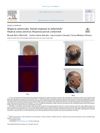
research Alopecia universalis. Partial response to tofacitinib
Tofacitinib partially improved hair regrowth in a patient with severe hair loss.

research Acne exacerbation after tofacitinib treatment for alopecia areata
Tofacitinib treatment for hair loss may worsen acne.

research Increased Expression of TSPEAR in Colorectal Cancer Predicts Poor Prognosis
High TSPEAR levels in colorectal cancer predict worse outcomes.

research Efficacy and safety of tofacitinib in patients with alopecia areata
Tofacitinib helps hair regrowth in alopecia areata but relapse is common after stopping treatment.
research Tebentafusp-tebn (Kimmtra®)
Tebentafusp-tebn improves survival rates in uveal melanoma patients but has common side effects like rash and fatigue.
research Gut instinct: Using tofacitinib to treat alopecia areata in the context of comorbid inflammatory bowel disease
Tofacitinib may help treat both alopecia areata and inflammatory bowel disease.

research Implementation of the JCCP Premises Standards for cosmetic interventions
The JCCP's Premises Standards aim to make non-surgical cosmetic treatments safer and higher quality.

research P381 Kinetics of Titan cells generation and transcriptome modifications comparing three in vitro protocols
Three different methods were compared for creating Titan cells, a type of fungus cell. The OZ method made the most cells initially, but the number dropped quickly. The EB method also made a lot of cells, but the number also dropped. The AA method made fewer cells, but the number stayed steady. The methods also affected which genes were active in the cells.