7 citations
,
February 2002 in “Veterinary Dermatology” Intracorneal vacuoles are common in parakeratotic skin diseases in dogs, especially with more parakeratosis.
 22 citations
,
December 2003 in “Veterinary clinical pathology”
22 citations
,
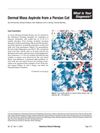
December 2003 in “Veterinary clinical pathology” The Persian cat has a skin infection caused by a fungus, treatable with antifungal medication.
 11 citations
,
September 2016 in “Journal of virological methods”
11 citations
,
September 2016 in “Journal of virological methods” Rabies virus was found in specific skin cells of rabid dogs' muzzles, suggesting these cells could help diagnose rabies.
1 citations
,
January 2016 in “Revista Brasileira de Higiene e Sanidade Animal” Combining lab tests with clinical observations is crucial for diagnosing hormonal skin issues in dogs.

An 11-year-old female Pinscher with Pemphigus Foliaceus was successfully diagnosed and treated.
15 citations
,
January 1970 in “Journal of the Bangladesh Agricultural University” Mite infestation is common in street dogs, especially young, male, and unhealthy ones, causing skin issues.
April 2025 in “The Indian Journal of Animal Reproduction” Testicular abnormalities in dogs should be treated to prevent complications like seminoma.
 January 2026 in “Preprints.org”
 Posaconazole effectively treated a resistant fungal infection in a Spitz dog.
1 citations
,
October 2024 in “Veterinary Dermatology” A Cavalier King Charles Spaniel had both uveodermatological syndrome and alopecia areata, and treatment with ciclosporin helped regrow hair.
 August 2017 in “Companion animal”
 Focal alopecia in dogs has many causes and requires various tests for accurate diagnosis and treatment.
 May 2023 in “Buletin Veteriner Udayana”
 Dogs with dermatitis show significant skin changes and higher white blood cell counts.
 July 2026 in “Buletin Veteriner Udayana”
 A 28-day treatment successfully cured a dog's skin infection, restoring its hair and skin health.
 April 2023 in “Jurnal Sain Veteriner”
 A young Persian cat had a skin infection and low platelets, treated with various medications.
 72 citations
,
June 2013 in “Journal of feline medicine and surgery”
72 citations
,
June 2013 in “Journal of feline medicine and surgery” The document says to treat cat fungal infections with medicine and clean the environment, noting that cats without symptoms can still spread it to humans.
January 2013 in “INTAS POLIVET” Vitamin A supplements improved skin and health issues in dogs.

Posaconazole successfully treated a resistant skin infection in a Spitz dog when other antifungals failed.
December 2017 in “Journal of the Hellenic Veterinary Medical Society” Canine acral lick dermatitis is a complex skin issue in dogs caused by excessive licking, often needing various treatments.
 October 2020 in “Veterinary Dermatology”
 New treatments and diagnostic methods for various animal skin conditions showed promising results.
 June 2025 in “Deleted Journal”
 Selamectin effectively cured the cats' infestation.
 6 citations
,
January 2023 in “Medical Mycology Journal”
6 citations
,
January 2023 in “Medical Mycology Journal” Fosravuconazole effectively treated a woman's scalp infection without side effects.
January 2019 in “INTAS POLIVET” The dog fully recovered and regrew hair after treatment.
April 2024 in “Veterinary Science and Medicine Journal” Proper treatment and sanitation can cure and prevent scabiosis in domestic cats.
 January 2024 in “International journal of advanced biochemistry research”
 Fluralaner successfully treated dogs with severe demodicosis in 2 months.
 January 2025 in “International Journal of Advanced Biochemistry Research”
 Microsporum spp. is the most common fungus causing skin infections in dogs.
 January 2023 in “International Journal of Zoology and Animal Biology”
 Canine hypothyroidism can be linked to diabetes, requiring thorough testing for proper diagnosis.
August 2004 in “Veterinary Dermatology” Cats with internal diseases can develop skin issues that may require specific treatments.
 January 2026 in “The Pharma Innovation”
 A kitten with mange was cured using selamectin, shampoo, supplements, and ointment.
 April 2025 in “Journal of Applied Veterinary Science And Technology”
 The cat's health improved significantly after treatment.
 April 2018 in “Asian-Australasian journal of bioscience and biotechnology”
 The study concluded that tick infestation was the most common skin problem in hospitalized dogs in Chennai, with various treatments used for different conditions.
 38 citations
,
August 2005 in “Veterinary dermatology”
38 citations
,
August 2005 in “Veterinary dermatology” A disease causing skin issues in young adult German short-haired pointers is hereditary, with most affected dogs not responding to treatment.