 February 2024 in “medRxiv (Cold Spring Harbor Laboratory)”
 The study aims to understand how mood, physical activity, light exposure, and seasonal changes affect sleep patterns.
 December 2022 in “Gastroenterology”
 A man with Cronkhite-Canada syndrome improved significantly with immunosuppressive therapy.
33 citations
,
June 2007 in “Gene Expression Patterns” CTIP2 may help in skin development and maintenance.
 108 citations
,
March 2011 in “Archives of Dermatology”
108 citations
,
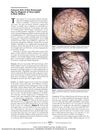
March 2011 in “Archives of Dermatology” Corkscrew hair may be a new sign for quickly diagnosing scalp fungus in black children.
10 citations
,
January 1985 in “PubMed” Trace elements like calcium, iron, and zinc are unevenly distributed in hair, while sulfur is even, and increased phosphorus and potassium levels are linked to skin reactions.



Dual TCR Treg cells are common in various mouse tissues and show diverse characteristics.
 3 citations
,
December 1962 in “Australasian Journal of Dermatology”
3 citations
,
December 1962 in “Australasian Journal of Dermatology” The current state and future directions of the field that studies the connection between the mind and skin are discussed.
February 2026 in “Contact Dermatitis” Avoiding exposure to certain grasses can prevent skin allergies, highlighting the importance of proper sanitation.
3 citations
,
July 2017 in “Endogenous locus-driven H-Ras G12V expression induces senescence-like phenotype in primary fibroblasts of the Costello syndrome mouse model” Mouse hair follicle stem cells have a flexible chromatin state that supports skin health and hair growth.
 January 2009 in “Hair transplant forum international”
 The document's conclusion cannot be provided because the document is not accessible or understandable.
 8 citations
,
March 2023 in “Journal of Clinical Epidemiology”
8 citations
,
March 2023 in “Journal of Clinical Epidemiology” The updated GRADE guidance advises considering context when interpreting variability in research results and introduces tools for assessing subgroup effects.
 29 citations
,
December 2005 in “BioEssays”
29 citations
,
December 2005 in “BioEssays” Wnt/ß-catenin signaling is crucial for regulating skin stem cells and hair growth, with the right levels and timing needed for proper function.
 6 citations
,
July 2023 in “Nature cell biology”
6 citations
,
July 2023 in “Nature cell biology” SOX9 helps determine stem cell roles by interacting with DNA and proteins that control gene activity.
 6 citations
,
January 2015 in “Biochemical Society Transactions”
6 citations
,
January 2015 in “Biochemical Society Transactions” The Ysc84/SH3yl1 protein family is important for cell movement and the process of taking in materials by interacting with actin and cell membranes.
1 citations
,
October 2025 in “Current Issues in Molecular Biology” Escin improves skin blood flow and health by enhancing blood vessel networks.
January 2005 in “Dermatology”  27 citations
,
December 2013 in “Endocrinology”
27 citations
,
December 2013 in “Endocrinology” Researchers created a mouse model for Cushing's syndrome to study glucocorticoid excess and potential treatments.
109 citations
,
April 1997 in “Archives of Dermatological Research” Mast cell and nerve fiber interactions in mouse skin change with the hair cycle.
January 1998 in “Dermatology” January 1991 in “Dermatology” January 1986 in “Dermatology” 19 citations
,
May 2016 in “Cytotechnology” 137 citations
,
January 2006 in “Frontiers in bioscience” CRH in the skin acts like the body's stress response system, affecting cell behavior and immune activity.
30 citations
,
March 2012 in “Journal of Analytical Toxicology” THCCOOH levels in hair decrease from root to tip and don't match well with self-reported cannabis use.
January 2018 in “Zurich Open Repository and Archive (University of Zurich)” February 2026 in “Cosmetics”  April 2019 in “Journal of Investigative Dermatology”
 Non-coding RNA boosts retinoic acid production and signaling, aiding regeneration.
 41 citations
,
December 2018 in “Experimental Dermatology”
41 citations
,
December 2018 in “Experimental Dermatology” Understanding how melanocyte stem cells work could lead to new treatments for hair graying and skin pigmentation disorders.