 May 2024 in “bioRxiv (Cold Spring Harbor Laboratory)”
 KAP-depleted hair causes less immune response and is more biocompatible for implants.
 March 2024 in “Advanced science”
 A new hydrogel made from human cells improves wound healing by working with immune cells to promote repair.
 March 2024 in “Research Square (Research Square)”
 Twist2 is essential for proper skin healing and hair growth in developing mice.
 February 2024 in “Frontiers in physiology”
 Modifying certain signals in the body can help wounds heal without scars and regrow hair.
 January 1989 in “Clinical and Experimental Dermatology”
 The symposium concluded that hair growth involves complex processes, including the hair follicle life cycle, the role of the dermal papilla, hair strength, pigmentation, and the impact of diseases and treatments like minoxidil on hair and skin.
 162 citations
,
July 2011 in “Biomacromolecules”
162 citations
,
July 2011 in “Biomacromolecules” Chitosan nanofiber scaffolds improve skin healing and are promising for wound treatment.
 26 citations
,
April 2019 in “Advances in wound care”
26 citations
,
April 2019 in “Advances in wound care” Tannic acid helps wounds heal faster in rats by activating certain cell signals and reducing inflammation.
 26 citations
,
March 2018 in “Dermatology and Therapy”
26 citations
,
March 2018 in “Dermatology and Therapy” EPC-CM can reduce skin aging signs by boosting the skin's defense system.
 26 citations
,
February 2012 in “Journal of Investigative Dermatology”
26 citations
,
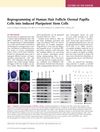
February 2012 in “Journal of Investigative Dermatology” Human hair follicle cells can be successfully transformed into different types of cells, but not more efficiently than other adult cells.
 22 citations
,
November 2008 in “International Journal of Dermatology”
22 citations
,
November 2008 in “International Journal of Dermatology” A mix of 5-aminolevulinic acid and iron ion can speed up hair growth.
 21 citations
,
July 2020 in “Stem Cell Research & Therapy”
21 citations
,
July 2020 in “Stem Cell Research & Therapy” Fat stem cells from diabetic mice can still help heal wounds.
 3 citations
,
April 2022 in “International Journal of Molecular Sciences”
3 citations
,
April 2022 in “International Journal of Molecular Sciences” Scientists turned mouse skin cells into hair-inducing cells using chemicals, which could help treat hair loss.

γδ T cells help control tissue scarring and blood vessel growth in response to foreign objects.
 1 citations
,
November 2018 in “bioRxiv (Cold Spring Harbor Laboratory)”
1 citations
,
November 2018 in “bioRxiv (Cold Spring Harbor Laboratory)” Signals from skin cells controlled by Rac proteins help turn certain precursor cells into white fat cells.
 April 2026 in “Experimental & Molecular Medicine”
 Mouse and human skin development share similar fibroblast timelines.
 401 citations
,
January 2013 in “Postepy Dermatologii I Alergologii”
401 citations
,
January 2013 in “Postepy Dermatologii I Alergologii” The paper concludes that understanding melanocyte development can help in insights into skin diseases and melanoma diversity.
 208 citations
,
January 2013 in “Lab on a Chip”
208 citations
,
January 2013 in “Lab on a Chip” The Multi-Organ-Chip improves the growth and quality of skin and hair in the lab, potentially replacing animal testing.
 184 citations
,
December 2018 in “Nature Communications”
184 citations
,
December 2018 in “Nature Communications” Researchers created human hair follicles using a new method that could help treat hair loss.
 143 citations
,
September 2008 in “Experimental gerontology”
143 citations
,
September 2008 in “Experimental gerontology” Skin aging is due to impaired stem cell mobilization or fewer responsive stem cells.
 96 citations
,
April 2007 in “Journal of Investigative Dermatology”
96 citations
,
April 2007 in “Journal of Investigative Dermatology” Grafted rodent and human cells can regenerate hair follicles, but efficiency decreases with age.
 89 citations
,
February 1993 in “Journal of Medicinal Chemistry”
89 citations
,
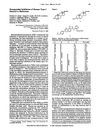
February 1993 in “Journal of Medicinal Chemistry” New compounds called benzoquinolinones may treat conditions linked to excess DHT.
 71 citations
,
October 2008 in “The journal of investigative dermatology/Journal of investigative dermatology”
71 citations
,
October 2008 in “The journal of investigative dermatology/Journal of investigative dermatology” HFMs can help study hair growth and test potential hair growth drugs.
 62 citations
,
July 1993 in “Journal of Investigative Dermatology”
62 citations
,
July 1993 in “Journal of Investigative Dermatology” Hair growth is influenced by interactions between skin layers, growth factors, and hormones, but the exact mechanisms are not fully understood.
48 citations
,
January 2018 in “Stem Cells International” Skin-derived stem cells show promise for improving wound healing and creating transplantable tissue.
 41 citations
,
September 2005 in “Wound Repair and Regeneration”
41 citations
,
September 2005 in “Wound Repair and Regeneration” Hydrogen peroxide can cause scars by changing healing processes and increasing certain protein levels.
 36 citations
,
August 2011 in “Journal of Controlled Release”
36 citations
,
August 2011 in “Journal of Controlled Release” Genetically-altered adult stem cells can help in wound healing and are becoming crucial in regenerative medicine and drug design.
 34 citations
,
May 2012 in “International Journal of Molecular Sciences”
34 citations
,
May 2012 in “International Journal of Molecular Sciences” Dieckol from Ecklonia cava may help hair growth and could be a potential hair loss treatment.
 34 citations
,
February 1993 in “Journal of steroid biochemistry and molecular biology/The Journal of steroid biochemistry and molecular biology”
34 citations
,
February 1993 in “Journal of steroid biochemistry and molecular biology/The Journal of steroid biochemistry and molecular biology” Certain 4-azasteroids are effective at blocking the enzyme that processes testosterone in human skin and could help treat acne, excessive hair growth, and male pattern baldness.
 29 citations
,
March 2015 in “Journal of Investigative Dermatology”
29 citations
,
March 2015 in “Journal of Investigative Dermatology” Cyclosporine A promotes hair growth and prolongs the active growth phase in human hair follicles, but may work differently than in rodents.
 26 citations
,
September 2018 in “Colloids and Surfaces B: Biointerfaces”
26 citations
,
September 2018 in “Colloids and Surfaces B: Biointerfaces” A new liposome treatment helps heal deep burns on mice by improving hair regrowth and reducing scarring.