24 citations
,
May 2000 in “Journal of the American Academy of Dermatology” Pseudopelade can affect both the scalp and beard, causing hair loss.
 March 2024 in “Clinical and experimental dermatology”
 Topical corticosteroids may be a safe and effective treatment for severe alopecia areata in children.
 9 citations
,
June 2020 in “BMC Molecular and Cell Biology”
9 citations
,
June 2020 in “BMC Molecular and Cell Biology” Stress hormone CRF can cause hair loss by affecting hair growth cells and hormones.
November 2025 in “Contraception” COC use doesn't increase hair stress hormone levels, but hair treatments may affect results.
2 citations
,
January 1990 3 citations
,
January 2019 in “JOURNAL OF CLINICAL AND DIAGNOSTIC RESEARCH” Idiopathic hirsutism is the most common cause, followed by PCOS, and insulin resistance should be checked in patients with acanthosis nigricans.
 9 citations
,
February 2019 in “Journal of Clinical Research in Pediatric Endocrinology”
9 citations
,
February 2019 in “Journal of Clinical Research in Pediatric Endocrinology” Children with classic congenital adrenal hyperplasia have thicker heart fat and are at higher risk for heart problems and early atherosclerosis.
2 citations
,
August 1999 in “PubMed” 11 citations
,
January 2009 in “World Journal of Gastroenterology” A woman with both Cronkhite-Canada syndrome and myelodysplastic syndrome improved significantly with corticosteroid treatment.
January 2009 in “Epsilon: Revista de la Sociedad Andaluza de Educación Matemática "Thales"” A CCS patient with severe complications was successfully treated using combined therapies.
3 citations
,
April 2018 in “Journal of Investigative Dermatology” CCCA may be a fibroproliferative disorder, and anti-fibrotic therapies could help.
 12 citations
,
February 2010 in “Journal of The American Academy of Dermatology”
12 citations
,
February 2010 in “Journal of The American Academy of Dermatology” A cancer drug caused unusual hair growth on a 100-year-old man's scalp and eyelashes.
 December 2023 in “Expert Review of Endocrinology & Metabolism”
 New methods help diagnose skin conditions caused by too much male hormone in women, like acne, hair loss, and excess hair growth.
 November 2021 in “Khyber Medical University Journal”
 A rare ovarian tumor caused a postmenopausal woman to develop male-like features, which improved after surgery.
11 citations
,
January 2022 in “Experimental Dermatology” Severe CCCA may be biologically and clinically different from milder forms.
 1 citations
,
September 2020 in “Endocrinology, Diabetes & Metabolism Case Reports”
1 citations
,
September 2020 in “Endocrinology, Diabetes & Metabolism Case Reports” The conclusion is that thorough investigation of hypertension and hormonal dysfunctions is important, and there may be a link between these conditions and cancer.
 March 2024 in “Indian Journal of Dermatology”
 The man was diagnosed with Cronkhite-Canada syndrome, a rare disorder with GI polyps, skin issues, hair loss, and nail problems.
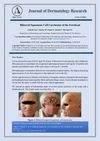
A 70-year-old man with skin cancer on both sides of his forehead was treated with surgery and cryotherapy, highlighting the need for early detection and prevention.
1 citations
,
July 2017 in “PubMed” Two patients with Cronkhite-Canada syndrome achieved remission after treatment.
43 citations
,
January 1999 in “Endocrinology” Cortisol increases a specific protein in bone cells, which may help explain its negative effects on bone.
38 citations
,
May 1982 in “PubMed” Intralesional steroid injections can effectively treat calcinosis and ulcers in scleroderma.
 13 citations
,
August 2012 in “Journal of the American Academy of Dermatology”
13 citations
,
August 2012 in “Journal of the American Academy of Dermatology” A rare scalp condition causing hair loss and cysts in young men can be treated effectively with a specific steroid injection.
12 citations
,
January 1999 in “Journal of Animal Science” Glucocorticoids and thyroid hormones together are essential for fetal fat development.
 October 2020 in “Clinical and Experimental Dermatology”
 Hair loss improved after removing pituitary tumor.
 1 citations
,
July 2012 in “Nasza Dermatologia Online”
1 citations
,
July 2012 in “Nasza Dermatologia Online” CCCA may be caused by both hair traction and an immune response.
 August 2023 in “JAAD international”
 Most patients with Central Centrifugal Cicatricial Alopecia at the reviewed institution were middle-aged Black women, often with no symptoms, and commonly treated with topical medications.
August 2025 in “Frontiers in Immunology” Primary cicatricial alopecia is linked to various health issues, indicating broader systemic problems.
 February 2022 in “Cleveland Clinic Journal of Medicine”
 Prolonged use of topical corticosteroids can cause excessive hair growth.
 16 citations
,
May 2013 in “Australasian Journal of Dermatology”
16 citations
,
May 2013 in “Australasian Journal of Dermatology” Hair loss in Cronkhite-Canada syndrome is reversible by treating the gut issues and doesn't need steroid treatment for the hair itself.