
Activating a specific cell pathway helps hair growth and skin healing in mice.
January 2026 in “Pharmaceutics” Nanotechnology in skincare improves ingredient stability, skin penetration, and controlled release for better cosmetic solutions.
November 2025 in “Advanced Healthcare Materials” Charge-conversion chemistry improves hair-rebonding by enhancing penetration and strength.
 May 2025 in “Frontiers in Genetics”
 A new genetic variant in the LIPH gene causes hair growth issues in a Chinese patient.
 October 2024 in “Cosmoderma”
 Proper hair care and suitable products are essential for men's scalp health and well-being.
Hairlessness in mammals is due to complex genetic changes in both genes and regulatory regions.
June 2016 in “한국디자인문화학회지” UVA damages all hair types, especially permanently waved and colored hair.
February 2019 in “International Journal of Dermatology and Clinical Research” Nε-(carboxymethyl) lysine delays hair growth by blocking a key protein.
 September 2014 in “Hair transplant forum international”
 Caffeine, niacinamide, and panthenol may improve hair growth, fullness, and healing when applied to the scalp.
 16 citations
,
November 2022 in “eLife”
16 citations
,
November 2022 in “eLife” Both gene and non-gene areas of DNA evolved to make some mammals hairless.
 22 citations
,
June 1980 in “International Journal of Dermatology”
22 citations
,
June 1980 in “International Journal of Dermatology” The document concludes that correct diagnosis of alopecia types is crucial, scalp biopsies are important, and more research is needed.
 25 citations
,
October 1996 in “Dermatologic Clinics”
25 citations
,
October 1996 in “Dermatologic Clinics” Loose Anagen Syndrome causes easy-to-pull, thin hair, mainly in young girls, and improves with age.
 1 citations
,
July 2018 in “Elsevier eBooks”
1 citations
,
July 2018 in “Elsevier eBooks” Avoid chemical and physical damage to protect hair.
 6 citations
,
November 1996 in “Archives of Dermatology”
6 citations
,
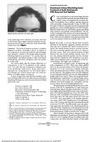
November 1996 in “Archives of Dermatology” G-CSF effectively treated a teenager's cyclic neutropenia and reduced her symptoms without adverse effects.
 1 citations
,
January 2016 in “Springer briefs in molecular science”
1 citations
,
January 2016 in “Springer briefs in molecular science” Natural plant-based substances can be used as effective hair dyes.
 23 citations
,
January 2021 in “Scientific Reports”
23 citations
,
January 2021 in “Scientific Reports” Adding human blood vessel cells to hair follicle germs may improve hair growth and quality.
 19 citations
,
March 1961 in “Nature”
19 citations
,
March 1961 in “Nature” A fatty acid/protein complex in human hair helps protect it from damage.
 18 citations
,
March 2015 in “Journal of Dermatological Case Reports”
18 citations
,
March 2015 in “Journal of Dermatological Case Reports” Rectangular black granules, solitary yellow dots, and mostly single-hair follicles suggest Loose Anagen Hair Syndrome.
 4 citations
,
July 2016 in “Journal of cosmetic dermatology”
4 citations
,
July 2016 in “Journal of cosmetic dermatology” Dermatologists should use hair relaxers carefully to avoid hair and scalp damage, following specific guidelines for application and maintenance.
 2 citations
,
January 2013 in “Elsevier eBooks”
2 citations
,
January 2013 in “Elsevier eBooks” The document explains the genetic causes and characteristics of inherited hair disorders.
 2 citations
,
January 2013
2 citations
,
January 2013 Hair can help solve crimes by revealing personal and chemical information.
 1 citations
,
September 2017 in “Journal of Investigative Dermatology”
1 citations
,
September 2017 in “Journal of Investigative Dermatology” Hair care products reduced hair roughness, a combination of Stemoxydine and Resveratrol increased hair density, fermented mackerel oil promoted hair growth, and genes TERT and Bmi-1 helped create new hair follicles.
 1 citations
,
January 2013 in “Chronicles of young scientists”
1 citations
,
January 2013 in “Chronicles of young scientists” Immuno-cosmeceuticals from chicken egg yolk can effectively repair and improve damaged hair.
 February 2024 in “International Journal of Health and Pharmaceutical”
 Black rice extract ointment significantly promotes hair growth in Wistar rats.
 September 2017 in “Journal of Investigative Dermatology”
 Fermented mackerel oil was found to promote hair growth by activating certain cell signals and increasing cell growth.
 September 2017 in “Journal of Investigative Dermatology”
 Mackerel fermented fish oil protects skin cells from damage by UVB light.
 33 citations
,
March 2006 in “Seminars in cutaneous medicine and surgery”
33 citations
,
March 2006 in “Seminars in cutaneous medicine and surgery” The document explains how to identify different hair problems using a microscope.
 7 citations
,
December 2008 in “Expert Review of Dermatology”
7 citations
,
December 2008 in “Expert Review of Dermatology” The document concludes that various childhood hair and nail disorders exist, some may improve on their own, and advances in genetics and immunology could enhance treatment and counseling.
 6 citations
,
January 2000 in “Dermatology”
6 citations
,
January 2000 in “Dermatology” A girl's severely tangled hair couldn't be fixed and had to be cut due to a rare condition called plica neuropathica.
 August 2018 in “Journal of The American Academy of Dermatology”
 Patients with multiple superficial venous thrombosis are at greater risk for serious complications like cancer and recurrent blood clots.