39 citations
,
August 2022 in “Pharmaceutics” Combining letrozole and quercetin in spanlastics may improve breast cancer treatment.
37 citations
,
January 2022 in “Frontiers in Genetics” Aging reduces dermal sheath cells, affecting youthful skin appearance.
 28 citations
,
April 2023 in “Stem cell research & therapy”
28 citations
,
April 2023 in “Stem cell research & therapy” Tiny vesicles from stem cells could be a new treatment for healing wounds.
 26 citations
,
July 2021 in “Frontiers in Cell and Developmental Biology”
26 citations
,
July 2021 in “Frontiers in Cell and Developmental Biology” The review suggests that a special cell-derived treatment shows promise for various skin conditions and hair growth but needs more research for confirmation.
21 citations
,
April 2016 in “International Journal of Oncology” GnRH treatment can reduce breast cancer cell invasion.
11 citations
,
August 2021 in “Aging” Collagen and TGF-β2 help maintain hair cell shape and youthfulness.
6 citations
,
April 2023 in “International Journal of Endocrinology” Mesenchymal stem cells could help treat diabetes and its complications by improving insulin function and reducing inflammation.
 6 citations
,
October 2022 in “Journal of cell science”
6 citations
,
October 2022 in “Journal of cell science” Keratin genes change gradually during skin cell development and should be used carefully as biomarkers.
5 citations
,
July 2023 in “Frontiers in Veterinary Science” Combining PRP and MSCs improves skin healing and structure.
4 citations
,
February 2022 in “PeerJ” Hair follicle stem cell transplants can reverse liver cirrhosis by blocking harmful cell activation.
 3 citations
,
March 2023 in “Life”
3 citations
,
March 2023 in “Life” Obesity can worsen wound healing by negatively affecting the function of stem cells in fat tissue.
 July 2025 in “International Journal of Molecular Sciences”
 Blocking CXCL12 can reverse hair loss and fibrosis in androgenetic alopecia.
 January 2024 in “Advanced Science”
 New microspheres help heal skin wounds and regrow hair without scarring.
April 2023 in “Chinese Medical Journal” Human hair follicle stem cells help repair tendon injuries.
22 citations
,
August 2021 in “Frontiers in medicine” Immune cells in Hidradenitis suppurativa become more inflammatory and may be important for treatment targets.
18 citations
,
February 2017 in “Molecular Medicine Reports” Activating Notch signaling can kill basal cell carcinoma cells.
1 citations
,
September 2025 in “Frontiers in Immunology” Alopecia areata involves complex immune dysregulation, mainly driven by Th1 activity, suggesting broader treatment strategies.
3 citations
,
May 2025 in “Stem Cell Research & Therapy” Stem cell therapy from umbilical cords may help treat atopic dermatitis.
1 citations
,
July 2025 in “Genetics Selection Evolution” Nerve cells and other cell types work together to start horn growth in dairy goats.
269 citations
,
October 2017 in “International Journal of Molecular Sciences” Improving mesenchymal stromal cell therapies requires overcoming cell death and optimizing delivery methods.
53 citations
,
April 2016 in “Stem cell research & therapy” LL-37 helps stem cells grow and move, aiding tissue regeneration and hair growth.
 49 citations
,
March 2014 in “Journal of Investigative Dermatology”
49 citations
,
March 2014 in “Journal of Investigative Dermatology” Using the drugs AMD3100 and Tacrolimus together greatly improves skin healing and hair growth after a deep skin cut by increasing stem cells in the wound.
45 citations
,
August 2018 in “Haematologica” Macrophage iron release is crucial for hair growth and wound healing.
 31 citations
,
August 2021 in “Stem Cell Research & Therapy”
31 citations
,
August 2021 in “Stem Cell Research & Therapy” The conclusion is that understanding how hair follicle stem cells live or die is important for maintaining healthy tissue and repairing injuries, and could help treat hair loss, but there are still challenges to overcome.
21 citations
,
August 2017 in “Journal of veterinary internal medicine” Combining amino acid and stem cell therapy may help manage hepatocutaneous syndrome in dogs.
15 citations
,
May 2022 in “Journal of Investigative Dermatology” Endothelial TLR2 is crucial for timely wound healing, but HFSC TLR2 is not needed.
February 2024 in “International journal of molecular sciences” Type 3 Innate Lymphoid Cells help maintain skin health and balance, and are involved in skin diseases and healing.
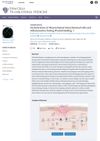 July 2023 in “Stem Cells Translational Medicine”
 Mesenchymal Stem/Stromal Cells (MSCs) help in wound healing and tissue regeneration, but can also contribute to tumor growth. They show promise in treating chronic wounds and certain burns, but their full healing mechanisms and potential challenges need further exploration.
35 citations
,
October 2013 in “Journal of Dermatological Science” VEGF165 influences hair follicle cell growth and movement through VEGFR-2 activation.
31 citations
,
September 2020 in “Stem Cell Research & Therapy” Hair follicle stem cells may help repair the brain after a stroke.