1 citations
,
August 2016 DHA derivatives, especially didocosahexaenoin, effectively kill prostate cancer cells and may offer a safer cancer treatment option.
 January 2004 in “Analytical Sciences: X-ray Structure Analysis Online”
 The document explains how to make a compound called 3.BETA.-Benzoyloxy-4-pregnen-16.ALPHA.,17.ALPHA.-epoxy-6,20-dione and describes its crystal structure.
January 2006 in “Benzina: Revista d'excepcions culturals” Trienones are more effective at inhibiting the enzyme linked to hair loss than dienones.
 23 citations
,
March 2019 in “Environmental Chemistry Letters”
23 citations
,
March 2019 in “Environmental Chemistry Letters” Cyclodextrins improve how steroid drugs work and are used in marketed medications and environmental applications.
3 citations
,
April 2024 in “JAAD Case Reports” DPCP may be safe for treating alopecia during pregnancy, but more research is needed.
 6 citations
,
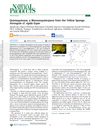
February 2020 in “Journal of Natural Products”
6 citations
,
February 2020 in “Journal of Natural Products” A new compound from a sponge strongly inhibits an enzyme linked to male-pattern hair loss without being toxic at low levels.
January 2026 in “RSC Medicinal Chemistry” 2,5-DBH shows promise for improving drugs in cancer, brain disorders, and infections.
 3 citations
,
January 2003 in “Synthetic Communications”
3 citations
,
January 2003 in “Synthetic Communications” Scientists made two new chemicals that might help treat diseases caused by male hormones.

The document's conclusion cannot be provided because the document is not available or cannot be read.
1 citations
,
March 2025 in “Journal of Society of Cosmetic Chemists of Japan” BECD helps straighten wavy hair by reducing undulation.
 5 citations
,
January 2014 in “Hospital pharmacy”
5 citations
,
January 2014 in “Hospital pharmacy” Using a strong allergy medicine too often on the scalp can cause swelling and inflammation.
36 citations
,
May 2005 in “BMC dermatology” DPCP is effective for treating severe alopecia areata, but relapse is common.
2 citations
,
January 1999 in “Dermatology”  4 citations
,
February 2019 in “PubMed”
4 citations
,
February 2019 in “PubMed” Clascoterone may be an effective topical treatment for hair loss.
14 citations
,
August 2014 in “Journal of the American Academy of Dermatology” Diphenylcyclopropenone (DPCP) is effective in treating alopecia areata, with most patients showing significant hair regrowth.
March 2019 in “Reactions Weekly” 1 citations
,
December 2011 in “Arzneimittelforschung” CB-03-04 shows promise as a treatment for prostate issues due to its strong anti-androgen effects.
10 citations
,
June 2019 in “Dermatologic therapy” DPCP alone is more effective and safer for treating chronic extensive alopecia areata than combining it with anthralin.
41 citations
,
November 2015 in “The journal of investigative dermatology. Symposium proceedings/The Journal of investigative dermatology symposium proceedings” Diphenylcyclopropenone (DPCP) can help regrow hair in many alopecia areata patients but may cause side effects and relapses.
27 citations
,
July 2008 in “The Journal of Steroid Biochemistry and Molecular Biology” The new compounds may be more effective and cheaper than current treatments for conditions like baldness.
 7 citations
,
February 2014 in “Talanta”
7 citations
,
February 2014 in “Talanta” Researchers developed a method to identify and analyze cyclosporin compounds and their structures effectively.
 January 2017 in “Nasza Dermatologia Online”
 Both treatments helped hair regrowth in alopecia areata, with isopropanol being better tolerated.
23 citations
,
October 2008 in “Journal of medicinal chemistry” PF-998425 is a new, effective, and non-phototoxic treatment for skin conditions related to androgens.
32 citations
,
March 2009 in “AAPS PharmSciTech”  March 2022 in “International Journal of Health Sciences”
 Pentoxifylline helps hair regrowth in rats with hair loss.
45 citations
,
March 1997 in “Journal of Investigative Dermatology” May 2024 in “Journal of the Egyptian Womenʼs Dermatologic Society” Diphenylcyclopropenone is effective and safe for treating severe alopecia areata in children, with maintenance therapy reducing relapse risk.
 44 citations
,
February 2015 in “Journal of the American Academy of Dermatology”
44 citations
,
February 2015 in “Journal of the American Academy of Dermatology” Combining diphenylcyclopropenone with anthralin is more effective for hair regrowth in alopecia areata than using diphenylcyclopropenone alone, but may cause more side effects.
 August 2007 in “Contact Dermatitis”
 A woman had an allergic skin reaction to a hair loss treatment containing canrenone.
January 2003 in “Dialnet (Universidad de la Rioja)” The study found ways to create important compounds for male health from olive waste.