7 citations
,
March 2004 in “Journal of the American Academy of Dermatology” Tiger tail banding and hair abnormalities are reliable indicators for diagnosing trichothiodystrophy.
5 citations
,
January 1964 in “Naunyn-Schmiedeberg s Archives of Pharmacology” Iodine is absorbed by hair just below the skin surface.
 4 citations
,
May 2020 in “Annals of palliative medicine”
4 citations
,
May 2020 in “Annals of palliative medicine” Plum blossom needle acupuncture with qi-invigorating therapy is more effective for Seborrheic Alopecia than Western medicine.
4 citations
,
January 1976 in “Archives of Dermatological Research” Metabolic disorders can cause hair structure defects and growth issues, but amino acid levels in hair remain normal.
3 citations
,
June 2011 in “Journal of acupuncture and tuina science/Journal of Acupuncture and Tuina Science” Acupuncture is more effective than medication for treating alopecia areata.
October 2021 in “Digital Library of Theses and Dissertations (Universidade de São Paulo)” The active ingredient improves the strength of damaged hair fibers.
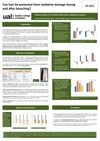 September 2018 in “University of the Arts London Research Online (University of the Arts London)”
 L-arginine, hydrolysed keratin, and cystine-silanol copolymer can help protect hair from damage during and after bleaching.
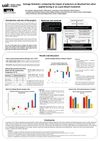 June 2017 in “University of the Arts London Research Online (University of the Arts London)”
 Polymers help reduce damage and improve bleached hair when used during or after bleaching.
January 2015 in “Zurich Open Repository and Archive (University of Zurich)” The supplement did not work better than a placebo for hair loss in women over 60.
January 2014 in “한국미용학회지” UV-A radiation significantly damages semi-permanent dyed hair.
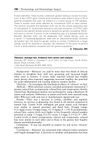 January 2011 in “Yearbook of Dermatology and Dermatologic Surgery”
 Hair relaxers are linked to reduced cystine levels and potential hair damage.
January 2011 in “대한피부과학회지” A 7-year-old girl was diagnosed with trichothiodystrophy due to low sulfur levels in her hair.
 March 2010 in “International Journal of Cosmetic Science”
 Disulfide bonds affect the melting behavior of hair's crystalline structure, but hair retains some stability even after these bonds are broken.
 January 2007 in “Revista del Centro Dermatológico Pascua”
 A 2-year-old boy was diagnosed with a rare genetic condition causing fragile hair, intellectual issues, and short stature.
Chemical treatments weaken hair's thermal stability and structure.
 January 1991 in “Journal of Society of Cosmetic Chemists of Japan”
 Hair treatments can damage hair by changing its chemical content.
January 2014 in “Chinese Journal of Aesthetic Medicine” ChuZhiShengFaPian and Licorzine Granules effectively treat early male hair loss.
119 citations
,
August 2008 in “BMC Evolutionary Biology” KRTAP genes evolved early in mammals, leading to diverse hair traits.
 98 citations
,
October 2012 in “Dermatologic Clinics”
98 citations
,
October 2012 in “Dermatologic Clinics” Eating the right nutrients can improve hair health, but taking extra supplements usually doesn't help unless you have a deficiency.
74 citations
,
July 1995 in “PubMed” Lowering homocyst(e)ine levels can reverse skin and hair lightening by restoring enzyme activity needed for pigmentation.
 47 citations
,
December 2006 in “Therapy”
47 citations
,
December 2006 in “Therapy” The dietary supplement helped increase hair growth in women with hair loss.
20 citations
,
December 2012 in “Journal of molecular structure” The study found that thioglycolic acid breaks down hair bonds more consistently than l-cysteine, which is less damaging to hair.
 12 citations
,
August 1984 in “Genetics Research”
12 citations
,
August 1984 in “Genetics Research” The N gene affects the protein makeup of mouse hair.
 2 citations
,
February 2016 in “Vestnik dermatologii i venerologii”
2 citations
,
February 2016 in “Vestnik dermatologii i venerologii” The comprehensive treatment with biomimetic peptide lotion was effective for hair loss.
1 citations
,
March 2023 in “Journal of Natural Fibers” A gentler, less damaging method for curling hair using tyrosine works well initially but fades after washing.
January 2026 in “Biomaterials and Biosystems” Keratin from chicken feathers can be safely used on damaged skin.
January 2026 in “Digitalen Hochschulbibliothek Sachsen-Anhalt (Universitäts- und Landesbibliothek Sachsen-Anhalt)” Keratin from chicken feathers can be safely used for skin benefits.
December 2024 in “The Eurasia Proceedings of Science Technology Engineering and Mathematics” Higher ꝩ-GCS enzyme levels in PCOS patients may play a role in the disease.
December 2021 in “Journal of natural fibers” The conclusion is that new methods for isolating hair cuticle cells and removing the cuticle layer are effective and convenient.
The supplement improved hair density and overall hair beauty.