 19 citations
,
August 2023 in “Experimental & Molecular Medicine”
19 citations
,
August 2023 in “Experimental & Molecular Medicine” Blocking CXXC5 speeds up diabetic wound healing by improving blood vessel growth and skin repair.
 10 citations
,
October 2014 in “Journal of Ovarian Research”
10 citations
,
October 2014 in “Journal of Ovarian Research” The IRS-2 Asp/Asp genotype may increase the risk of PCOS in Chinese women, especially if they are not obese.
175 citations
,
August 1997 in “Nature Genetics”  7 citations
,
June 2016 in “Bone Research”
7 citations
,
June 2016 in “Bone Research” A Chinese family had a child with a specific gene mutation causing vitamin D-resistant rickets, but the child improved with calcium and low-dose calcitriol.
Children with chronic kidney disease often have skin, hair, and nail problems.
 195 citations
,
February 2005 in “Journal of biological chemistry/The Journal of biological chemistry”
195 citations
,
February 2005 in “Journal of biological chemistry/The Journal of biological chemistry” The ZIP7 gene helps control zinc levels in cells by moving zinc from the Golgi apparatus to the cytoplasm.
 1 citations
,
July 1990 in “PubMed”
1 citations
,
July 1990 in “PubMed” The document's conclusion cannot be determined from the provided text.
11 citations
,
June 1974 in “Journal of Cutaneous Pathology” Follicular mucinosis causes significant damage to hair follicle cells.
 November 2023 in “Frontiers in pharmacology”
 Drug repositioning offers hope for new, affordable treatments for a genetic skin disorder called ARCI.
 January 2026 in “BMC Veterinary Research”
 A genetic variant in "Blonde d'Aquitaine" calves causes death at birth due to a missing protein.
 20 citations
,
July 2013 in “European Journal of Oral Sciences”
20 citations
,
July 2013 in “European Journal of Oral Sciences” A new PAX9 gene mutation causes missing teeth and hair problems, but not skin or nail issues.
 62 citations
,
March 2011 in “European journal of endocrinology”
62 citations
,
March 2011 in “European journal of endocrinology” Some parents have a mild form of congenital adrenal hyperplasia without symptoms, and they usually don't need treatment.
37 citations
,
August 1999 in “Journal of Investigative Dermatology” A specific gene mutation causes complete hair loss without other health issues.
21 citations
,
January 2008 in “Journal of Pediatric Endocrinology and Metabolism” Anastrozole and cyproterone acetate treatment can help increase adult height in boys with testotoxicosis.
14 citations
,
August 2021 in “Molecular Genetics and Metabolism Reports” Pegvaliase effectively reduces blood phenylalanine levels in most PKU patients, but requires personalized plans and good communication to manage side effects.
November 2024 in “Journal of Investigative Dermatology” ATP-sensitive potassium channels are important for hair growth.
 1 citations
,
June 2021 in “Cureus”
1 citations
,
June 2021 in “Cureus” A girl with hereditary chorea, likely Huntington's disease, had her condition worsened by lupus.
13 citations
,
December 2005 in “Traffic” Syntaxin 9 helps in transporting and signaling of the EGF receptor in skin and stomach cells.
 2 citations
,
December 2013 in “Veterinary dermatology”
2 citations
,
December 2013 in “Veterinary dermatology” Three dogs with a rare skin condition improved with treatment.
15 citations
,
February 2020 in “Journal of Investigative Dermatology” Ceramide Synthase 4 is crucial for healthy skin barrier function.
1 citations
,
April 2024 in “Animal Genetics” A genetic defect in an Appenzeller Mountain Dog caused skin issues, improved with ketoconazole, showing the importance of advanced genetic testing.
 40 citations
,
June 2013 in “Scientific Reports”
40 citations
,
June 2013 in “Scientific Reports” A gene variant in KRT71 causes the curly fur in Selkirk Rex cats.
 May 2024 in “Biochemical pharmacology”
 Blocking CISD1 reduces hearing loss from cisplatin in mice.
63 citations
,
April 2005 in “Mechanisms of development” Mice with too much Claudin-6 have skin barrier problems and abnormal hair growth.
CCC1 is essential for pH balance and normal cell function in plants.
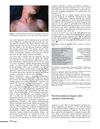
A boy on a ketogenic diet and anti-epileptic drugs developed skin issues due to stopping vitamin supplements, which improved with proper supplementation.
September 2024 in “Dermatologica Sinica” Early and accurate diagnosis of congenital smooth muscle hamartomas is crucial to distinguish them from other conditions.
October 2025 in “OPAL (Open@LaTrobe) (La Trobe University)” Early genetic testing and zinc therapy are crucial for managing acrodermatitis enteropathica in infants.
July 2021 in “British Journal of Dermatology” The boy's genetic diagnosis of ectodermal dysplasia helped improve management and counseling for him and his sister.
April 2021 in “The journal of investigative dermatology/Journal of investigative dermatology” CTCF protein is essential for skin and hair follicle development in mice.