 45 citations
,
October 2014 in “Stem cell research & therapy”
45 citations
,
October 2014 in “Stem cell research & therapy” Modified rat stem cells on a special scaffold improved blood vessel formation and wound healing in skin substitutes.
 29 citations
,
November 2011 in “Veterinary pathology”
29 citations
,
November 2011 in “Veterinary pathology” The study found that mouse sweat glands develop before birth, mature after birth, and have specific keratin patterns.
79 citations
,
October 1998 in “Genomics” Mouse keratin 6 genes evolved independently from human ones and are regulated differently.
 27 citations
,
July 2017 in “Scientific Reports”
27 citations
,
July 2017 in “Scientific Reports” N-WASP is essential for healthy skin and preventing inflammation.
 1 citations
,
November 2024 in “Cureus”
1 citations
,
November 2024 in “Cureus” Recognizing RSCC is crucial due to its aggressive nature and high risk of poor outcomes.
75 citations
,
October 1999 in “Differentiation” Mouse keratin 6 isoforms have different expression patterns in various tissues.
 3 citations
,
October 2021 in “PLoS ONE”
3 citations
,
October 2021 in “PLoS ONE” Piperonylic acid speeds up wound healing by reducing inflammation and boosting collagen.
 128 citations
,
August 2015 in “Cell Stem Cell”
128 citations
,
August 2015 in “Cell Stem Cell” Damage to skin releases dsRNA, which activates TLR3 and helps in skin and hair follicle regeneration.
58 citations
,
September 2019 in “EMBO Molecular Medicine” CDK4/6 inhibitors can protect hair cells from chemotherapy damage.
37 citations
,
August 2024 in “Current Issues in Molecular Biology” Keratins 6, 16, and 17 increase in damaged or diseased skin and may help diagnose skin issues.
 28 citations
,
November 2013 in “The journal of investigative dermatology/Journal of investigative dermatology”
28 citations
,
November 2013 in “The journal of investigative dermatology/Journal of investigative dermatology” GMG-43AC may help reduce unwanted hair growth and treat certain hair loss conditions.
 20 citations
,
December 2013 in “Journal of Dermatology”
20 citations
,
December 2013 in “Journal of Dermatology” UV-B light increases inflammation-related substances in acne-related skin cells.
8 citations
,
April 2016 in “Experimental dermatology” B6.Cg-Tyr c−2J Hr hr /J mice have a stronger delayed sunburn reaction and are good for UV research.
8 citations
,
August 2014 in “Biochemical and Biophysical Research Communications” ODC overexpression in hair cells increases tumor growth by reducing Notch signaling.
5 citations
,
April 2022 in “Pharmaceutics” Minoxidil nanoparticles significantly boost hair growth in mice compared to regular minoxidil.
 2 citations
,
April 2010 in “The Open Dermatology Journal”
2 citations
,
April 2010 in “The Open Dermatology Journal” Corneodesmosin is essential for skin and hair health, and its dysfunction can lead to skin and hair disorders.
 78 citations
,
June 2021 in “Dermatology and Therapy”
78 citations
,
June 2021 in “Dermatology and Therapy” Future acne treatments should aggressively target inflammation to prevent scarring.
33 citations
,
August 2008 in “American Journal Of Pathology” Hedgehog signaling is essential for normal sebaceous gland development and affects keratin 6a expression.
 28 citations
,
January 2013 in “Stem cells”
28 citations
,
January 2013 in “Stem cells” Certain human skin cells marked by CD44 and ALDH are rich in stem cells capable of long-term skin renewal.
20 citations
,
November 2004 in “Archives of Pathology & Laboratory Medicine” A rare benign skin growth called melanocytic matricoma was identified in a 69-year-old man.
60 citations
,
December 2003 in “Journal of Investigative Dermatology” K6hf is found in specific parts of hair follicles, nails, and tongue, and is linked to hair growth and structure.
51 citations
,
December 2006 in “Mammalian Genome” August 2025 in “American Journal of Dermatopathology” Accurate diagnosis and personalized treatment are crucial in dermatopathology.
 July 2026 in “Methods and Protocols”
 Diabetic mice have delayed wound healing with chronic wound characteristics.
28 citations
,
August 1992 in “Differentiation” A new pair of mouse keratins, 65 kD and 48 kD, are found in specific skin areas and are linked to a unique skin differentiation type.
Activating cannabinoid receptor 1 may help manage psoriasis by reducing certain keratins.
 2 citations
,
August 2010 in “Journal of the American Academy of Dermatology”
2 citations
,
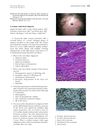
August 2010 in “Journal of the American Academy of Dermatology” A 65-year-old woman has a growing bald spot on her scalp.
88 citations
,
June 2000 in “Journal of Investigative Dermatology” Keratin 17 is important for hair and nail structure and affects pachyonychia congenita symptoms.
30 citations
,
October 1999 in “Differentiation” Mutant MK6a transgenes in mice cause blistering, hair loss, and potential human alopecia.
90 citations
,
August 2004 in “Physiological Genomics” Dermal papilla cells help skin stem cells grow into hair.